Lot No. LOT-1207 · offered September 29, 2026
Seeds, Crop Protection & FertilizerLot sheet
NCGA: U.S. Farmers Pay Double Brazil Rates on Key Crop Chemicals
NCGA says U.S. growers pay about double Brazilian rates for some crop protection products, widening the cost gap against America's biggest corn export rival.
Market notes
- NCGA reports U.S. farmers pay roughly double Brazil's prices for some crop protection products.
- The price gap raises U.S. per-acre input costs while Brazil competes directly with U.S. corn in export markets.
- Brazil's large volume of off-patent product registrations and generic manufacturing intensify supplier competition and lower prices.
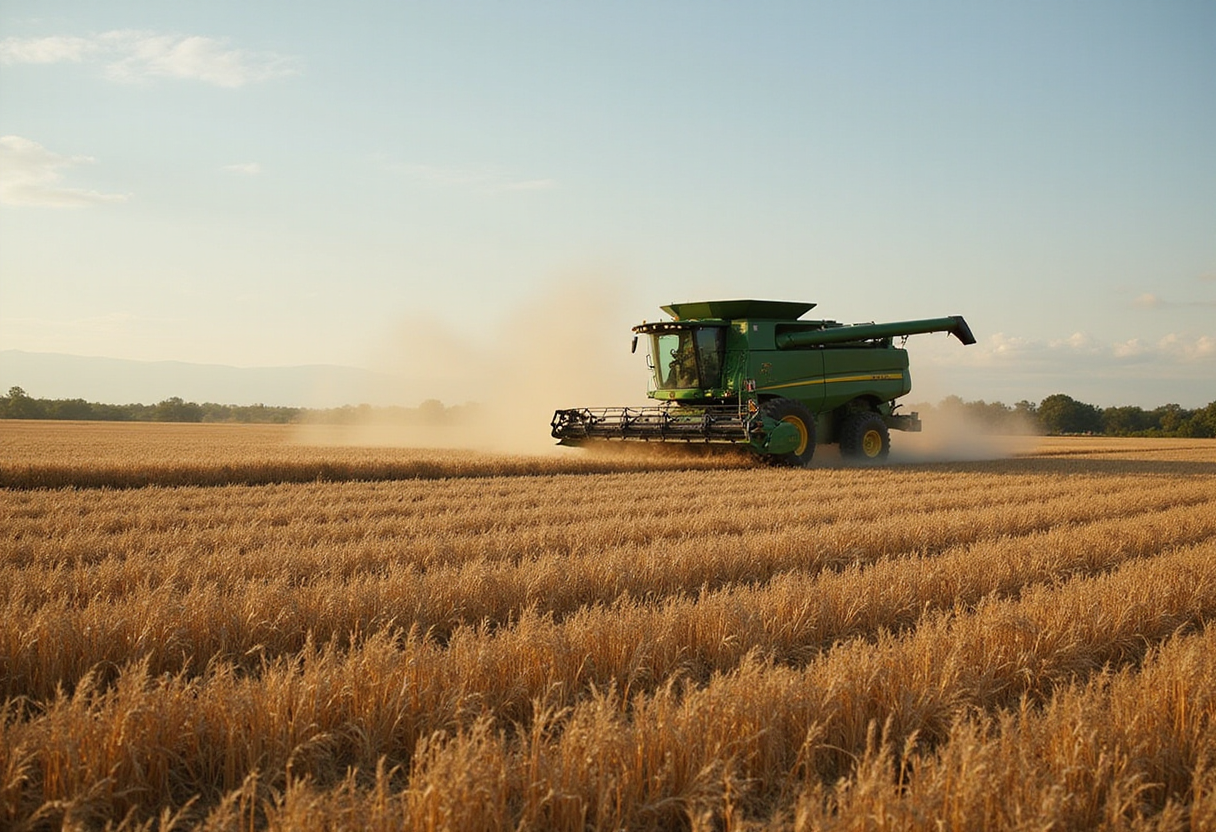
U.S. corn growers are paying roughly double what their Brazilian competitors pay for some crop protection products, according to the National Corn Growers Association (NCGA), a price gap that directly inflates input costs for American producers already working through tight margins.
The disparity matters because Brazil is the United States' chief rival in global corn and soybean export markets. When Brazilian farmers spray the same active ingredients at half the price, their cost of production falls and their export offers can undercut U.S. grain on the world market — a margin squeeze that starts at the chemical counter and ends at the basis line for growers in the Corn Belt.
NCGA has flagged the price differential as part of its broader push for transparency and fairness in the crop protection marketplace. The organization represents corn farmers across the major producing states, and its leadership has repeatedly argued that U.S. growers face structural disadvantages in how agricultural chemicals are priced and distributed domestically compared with competitors abroad.
The economics are straightforward for a corn operation budgeting herbicide, fungicide and insecticide programs. If a U.S. producer spends twice as much per acre on a given product as a Brazilian peer, that difference flows straight into per-bushel production costs. With corn margins already compressed by volatile futures prices and elevated costs for seed, fertilizer and machinery, a doubling of any major input line compounds quickly across thousands of acres.
Brazilian growers benefit from a different regulatory and market structure for pesticides. The country has its own generic-manufacturing sector and a registration system that, in recent years, has approved large numbers of off-patent products, intensifying competition among suppliers. U.S. farmers, by contrast, buy through a distribution chain in which fewer registered alternatives and post-patent entry can be slower, leaving less downward pressure on list prices.
For American growers, the comparison is not academic. Brazil has consolidated its position as one of the world's top corn exporters, shipping a growing share of global trade in recent seasons and competing directly with U.S. origin in key importing markets. Any persistent input-cost advantage on the Brazilian side — whether from cheaper chemicals, lower land costs or currency effects — strengthens that competitive position season after season.
NCGA's figures add to a running debate in U.S. agriculture over whether domestic growers pay more than foreign counterparts for identical inputs, an issue that has drawn attention from farm-state lawmakers and farm groups pushing for greater scrutiny of pricing practices in the ag inputs sector. Previous inquiries into seed and chemical pricing have examined consolidation among input makers and the role of rebates and distribution agreements in shaping what farmers ultimately pay.
The grower group's disclosure comes as U.S. corn farmers plan input purchases for the coming season, when decisions on herbicide programs and trait packages lock in a large share of variable costs. Price gaps of the magnitude NCGA describes can shift those decisions — toward cheaper chemistries, reduced rates or alternative weed-control strategies — with agronomic consequences for resistance management and yield protection.
NCGA indicates it will keep pressing the issue, arguing that leveling input prices with competitor countries is essential to keeping U.S. corn competitive in export markets where Brazilian grain continues to gain share.
via Google News: Crop protection (Source)
More from Olivia Hart
Show full bio
News editor covering media and advertising at Agribusiness Wire.
137 articles
Also in the yard
- NCGA Survey Finds Some U.S. Crop Protection Prices Run Double Brazil's
- Grain Rally Lifts U.S. Farm Outlook, But Input Costs Keep Squeeze On
- US growers push back as fertilizer costs squeeze margins
- China's $17 Billion Ag Pledge: Corn Is the Tell, Economist Says
- Corn or Soybeans? Farm Progress Calls It a Coin Flip