Lot No. LOT-1179 · offered October 9, 2026
Seeds, Crop Protection & FertilizerLot sheet
Michigan Growers Warn of Fertilizer Price Pressure Ahead
Michigan farmers warn of continued fertilizer cost pressure as prices swing, according to a ClickOnDetroit/WDIV Local 4 report, though the broadcast piece disclosed no specific price levels or product breakdown.
Market notes
- Source: ClickOnDetroit/WDIV Local 4 report titled "Fertilizer prices swing, Michigan farmers warn of more pressure ahead."
- No specific fertilizer price levels, product mix, or grower names disclosed in the source.
- Michigan ranks among the top U.S. producers of corn, soybeans, sugar beets, and dry beans.
- Forward-looking element: Michigan farmers expect more fertilizer cost pressure ahead.
- The headline framing of "swing" indicates two-way volatility rather than a unidirectional price move.
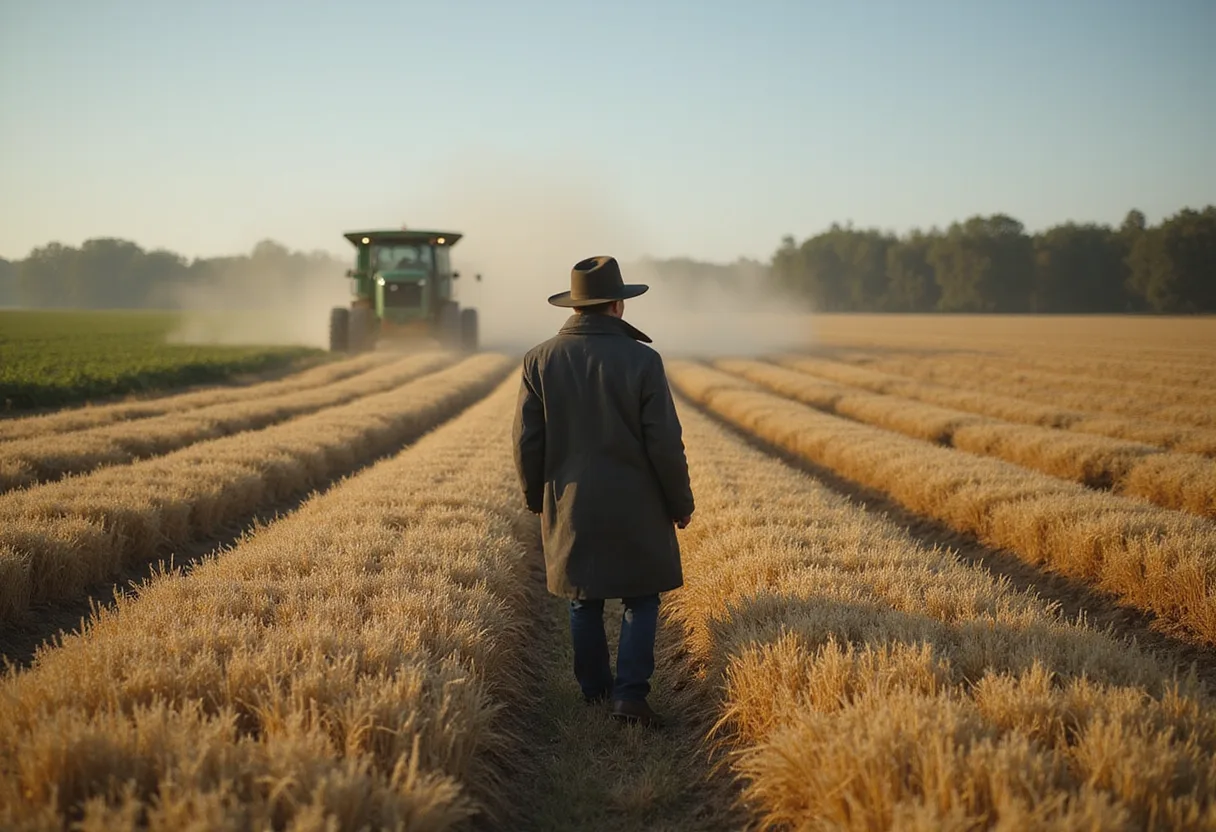
Michigan farmers are bracing for further fertilizer cost pressure, according to a ClickOnDetroit/WDIV Local 4 report headlined "Fertilizer prices swing, Michigan farmers warn of more pressure ahead."
The local broadcast piece signals continued anxiety among Michigan producers over input affordability, but does not specify which fertilizer products moved most sharply or quantify the magnitude of the swings. The headline framing — "swing" rather than "rise" or "fall" — captures two-way volatility rather than a single directional move.
Michigan's row-crop and forage base makes the state a significant fertilizer consumer. The state consistently ranks among the top U.S. producers of corn, soybeans, sugar beets, and dry beans, and its dairy and cattle sectors pull demand for forage and feed that depends on applied nitrogen, phosphate, and potash.
What is Michigan farmers' warning grounded in?
The ClickOnDetroit/WDIV Local 4 report does not detail the causes of the swing or name individual growers, cooperatives, or retailers. In fertilizer markets, however, nitrogen prices historically react to natural gas benchmarks (Henry Hub and TTF), Chinese export quota policy, Russian and Middle Eastern supply, and Gulf/NOLA export dynamics. Phosphate and potash follow their own supply curves, tied to Mosaic, Nutrien, and other global producers' operating rates.
Michigan's geography connects it to both Chicago-area wholesale terminals via short rail hauls and to Ontario production via the Great Lakes. That dual exposure means in-state retail prices can move with either Midwest or Canadian supply signals.
How tight are margins heading into the next production cycle?
Fertilizer typically represents one of the largest variable cost categories for corn and soybean budgets, second only to land cost. A meaningful, sustained price increase compresses the gap between cash costs and expected per-bushel revenue at the elevator. For dairy and livestock, the hit arrives through higher corn and soybean meal prices, which themselves reflect the cropping sector's fertilizer affordability.
The Michigan farmers quoted or paraphrased in the local report expect "more pressure ahead," a forward-looking statement that, given the absence of specific figures, can be read as a signal that any relief from prior-year peaks is unlikely to stick. Margin compression from inputs has been the dominant farm-income story since 2022, when global fertilizer values reached multi-year highs after the spike in European natural gas.
What should growers watch next?
Three indicators typically set the tone for the next leg of the market: fall ammonia fill programs in the southern Plains, spring urea tenders into the Midwest, and USDA cost-of-production estimates that anchor 2025 crop budgets. Michigan growers, according to the local report, expect those indicators to confirm rather than relieve the cost pressure they have flagged.
How should the report be read?
The ClickOnDetroit/WDIV Local 4 piece functions as a warning from the field rather than a market-data bulletin. It carries no named source, no specific price level, and no product breakdown. Readers tracking Michigan fertilizer affordability should treat the report as a sentiment signal and pair it with weekly retail surveys, USDA cash input indices, and barge-to-terminal price reports before adjusting purchase or hedging plans. Until those datasets arrive, the only verifiable claim is the one in the headline: Michigan farmers expect more pressure ahead.
via Google News: Fertilizer markets (Source)
More from Olivia Hart
Show full bio
News editor covering technology and product news in Agribusiness coverage for industry professionals at Agribusiness Wire.
420 articles
Also in the yard
- Ohio Farmers' Vote: Will Diesel, Fertilizer Costs Tip the Balance?
- Conflict Drives Fertilizer Prices Higher, Squeezing US Farm Margins
- Farmers Press USDA for Action on Fertilizer Prices
- Ohio Ag Leader Calls for More Competition in Fertilizer Markets
- Global Conflict Pushes Fertilizer Prices Higher for Kentucky Growers