Lot No. LOT-1611 · offered September 26, 2026
Farm MachineryLot sheet
Lindsay (NYSE: LNN) Headlines Q2 Agricultural Machinery Stock Comparison
Yahoo Finance benchmarks Lindsay Corporation (NYSE: LNN), the center-pivot irrigation maker, against agricultural machinery peers in its Q2 sector rundown for investors and farm readers.
Market notes
- Yahoo Finance published a Q2 comparison of Lindsay (NYSE: LNN) against other agricultural machinery stocks.
- Lindsay manufactures center-pivot irrigation systems, making it a proxy for water-infrastructure spending rather than general machinery demand.
- Lindsay's fiscal year ends in August, so its Q2 does not align with the calendar quarters reported by most machinery peers.
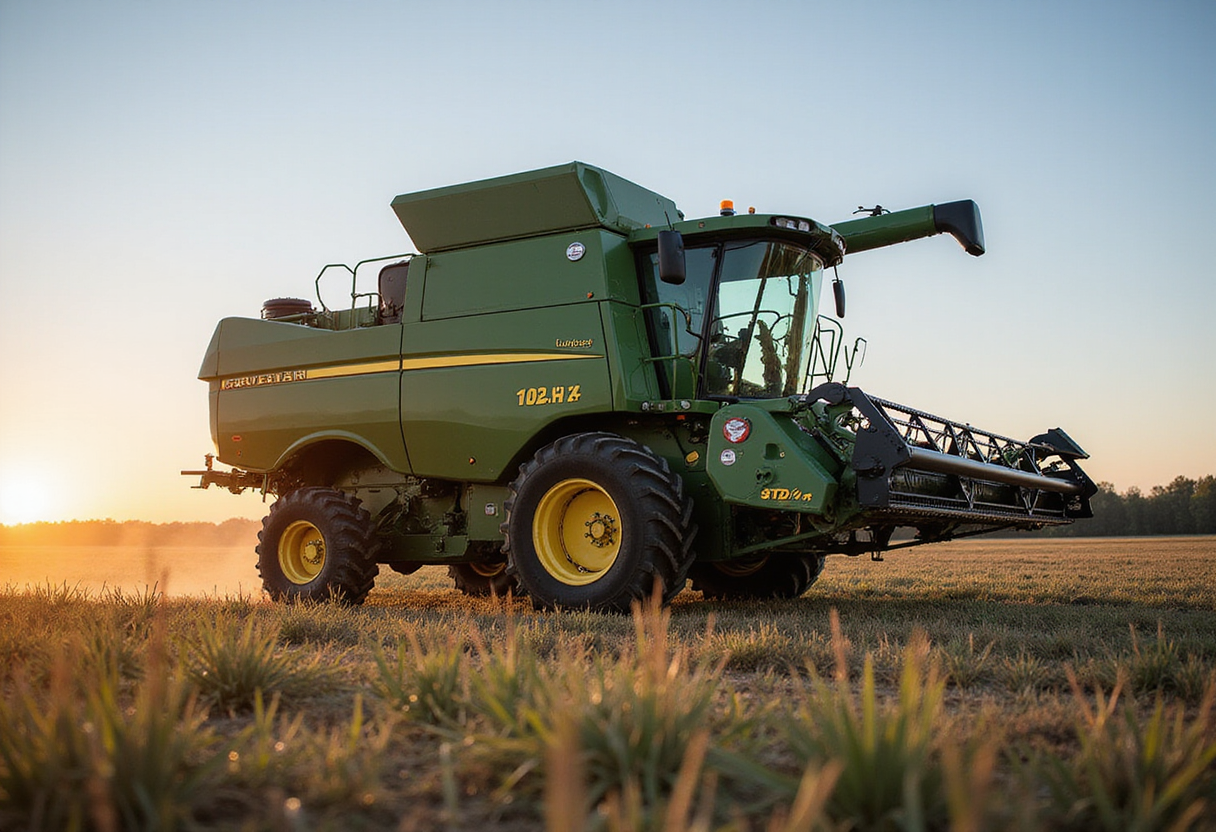
Yahoo Finance has published a second-quarter rundown comparing Lindsay Corporation (NYSE: LNN) against the wider universe of publicly traded agricultural machinery stocks, putting the Nebraska-based irrigation-equipment manufacturer in the same analytical frame as the sector's major equipment names.
The piece is a comparative snapshot rather than an earnings release. It sits within a recurring series in which financial publishers benchmark individual ag-machinery companies against sector peers on quarterly results, and it arrives at a moment when dealers, growers and investors are all watching machinery demand signals for evidence of whether the post-2022 equipment spending cycle is cooling.
For farm readers, the relevance is direct. Lindsay's core business — center-pivot and lateral-move irrigation systems sold largely in the U.S. Corn Belt and High Plains, plus an international operation with a substantial presence in developing-market irrigation — makes the company a proxy for one specific corner of farm capital spending. Unlike tractor and combine makers, whose sales track commodity-income-driven replacement cycles, Lindsay's order book responds to water policy, energy costs for pumping, and growers' willingness to finance long-lived infrastructure.
That distinction matters when reading any Q2 comparison. A machinery-sector table can mix companies with sharply different exposures: broad-line equipment manufacturers tied to row-crop horsepower demand, parts and precision-ag suppliers tied to input budgets, and single-line firms such as Lindsay tied to water infrastructure. Aggregated sector averages can obscure whether strength or weakness sits in high-horsepower tractors, planting equipment, or irrigation.
The comparison also lands amid a broader reset in dealer inventories and used-equipment values across the machinery trade. Analysts across the sector have spent recent quarters flagging softer large-equipment orders in North America as crop margins compressed and financing costs rose, even as parts and service revenue held up dealer profitability. Any quarterly scorecard that groups Lindsay with the machinery majors should be read against that backdrop — the question for growers and input buyers is not only what each company reported, but which demand channel the numbers reflect.
Lindsay's reporting calendar adds another caveat. The company's fiscal year ends in August, so its "Q2" does not align with the calendar second quarter reported by most machinery peers. Investors and agribusiness readers comparing Lindsay's line items against calendar-quarter results from other manufacturers must adjust for the offset in reporting windows before drawing conclusions about relative performance.
The Yahoo Finance rundown follows the format of sector scorecards that typically array revenue, profitability and analyst-sentiment measures side by side. As with any such compilation, the underlying figures deserve a check against each company's own filings — survey-based metrics and consensus estimates embedded in these roundups can differ from reported results once final quarterly data are published.
Condition-report-style sector summaries also carry a forecasting hazard familiar to any farm audience: a snapshot of sentiment or estimated performance in one quarter is not a harvested result. Machinery demand among row-crop producers has historically swung with commodity prices, interest rates and Section 179 depreciation incentives, and a single quarter's comparison offers limited guidance on where equipment orders will settle once growers finalize capital plans for the next planting cycle.
For the agribusiness trade, the practical takeaway is to watch what the comparison signals about irrigation-specific demand versus general machinery demand. If Lindsay's metrics diverge from the equipment majors in either direction, that divergence typically says something about water-related investment — pivot replacement, efficiency upgrades, groundwater regulation responses — rather than about the row-crop income cycle that drives tractor and combine sales.
The full rundown, published on Yahoo Finance, lays out the side-by-side figures for readers who want to test Lindsay's second-quarter standing against its machinery peers heading into the back half of the fiscal year.
via Google News: Farm equipment (Source)
More from Grace Kim
Show full bio
Correspondent covering industry trends and analytics at Agribusiness Wire.
159 articles