Offered
Seeds, Crop Protection & FertilizerLot sheet
Limed Soils Helped Crop Roots Recover After Heat, Nottingham Study Finds
University of Nottingham trials found limed, neutral soils gave crops better root and shoot recovery after one day of heat stress, per a Nature Communications study.
Market notes
- Plants grew 10 days in soil columns with or without calcium carbonate, took one day of heat, then recovered two days at 21°C.
- Limed, neutral soils produced better root and shoot recovery after heat than acidic soils.
- Study published in Nature Communications; released November 26 via Seed World.
- First author Aneresh Lale, corresponding author Rahul Bhosale, University of Nottingham School of Biosciences.
- Yield protection under field conditions remains untested, per the researchers.
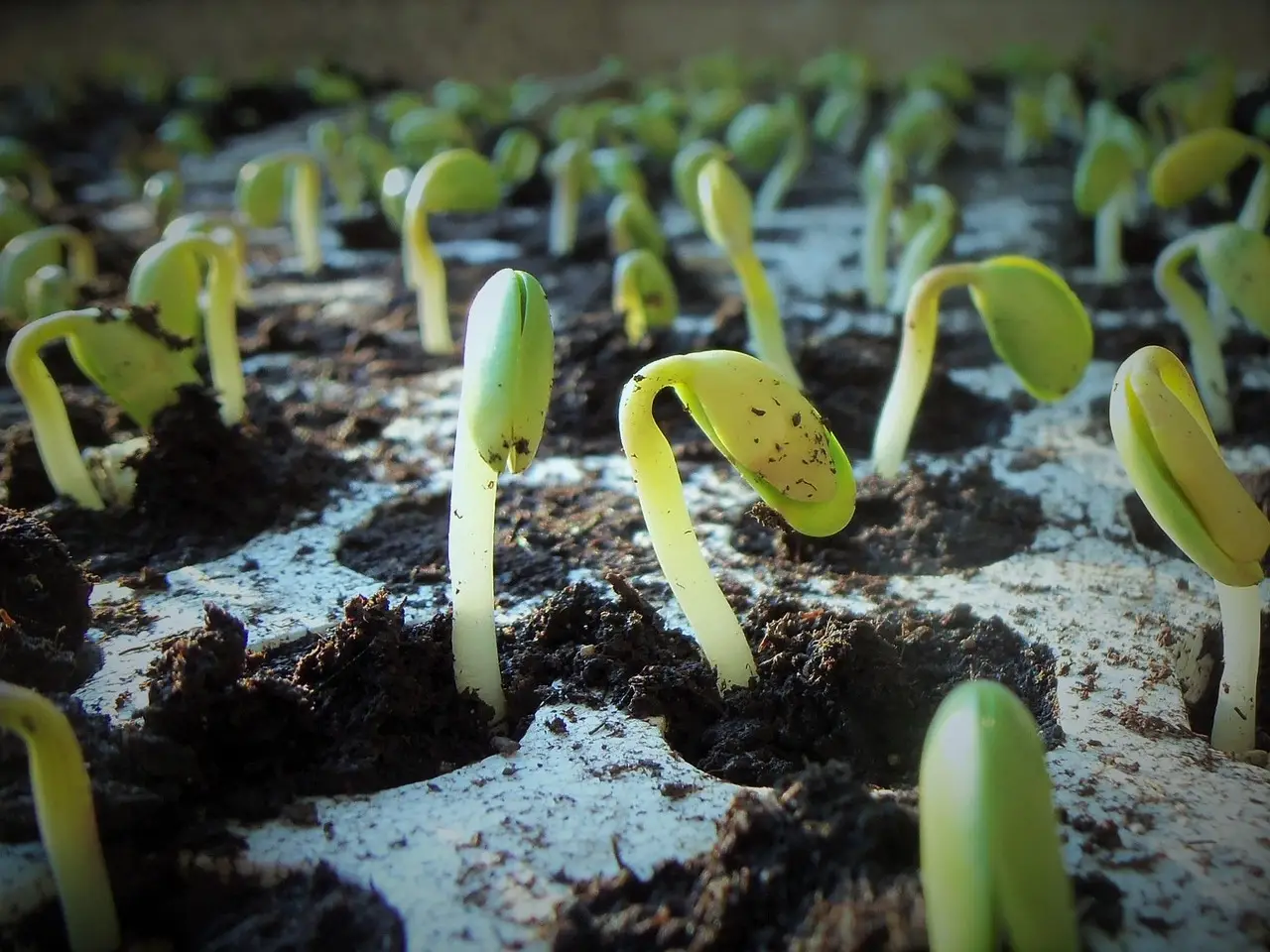
Plants grown in neutral, limed soil recovered root and shoot growth better after a one-day heat shock than plants held in acidic soil, University of Nottingham experiments show. The study, published in Nature Communications and released November 26 via Seed World, puts a new agronomic question in front of growers managing acidic fields: does an input they already spread for pH also buy resilience during heatwaves?
Aneesh Lale, a research fellow in the university's School of Biosciences and first author of the study, said: "One possible way to improve root health during periods of high heat could be through liming, the practice of adding agricultural lime to acidic soils to raise their pH. By reducing soil acidity and helping maintain a more stable pH, liming could create conditions that are more favourable for root growth and recovery during periods of extreme heat."
How the experiment ran
The researchers ran a controlled column trial, not a field study. The setup:
- Plants grew for 10 days in soil columns, with or without calcium carbonate.
- They then took one day of heat exposure.
- Afterward they got two days to recover at 21°C.
The measured result: plants grown in limed soil showed better root and shoot recovery, according to the press release. That's a greenhouse-scale finding, not a harvested yield figure, and the researchers say so themselves. How much the improvement in root recovery could protect crop yields under field conditions remains an open question.
Why heat and acidity compound
The mechanism the study addresses starts below ground. When air temperatures climb, soils can heat up enough to damage plant roots. Damaged roots take up water and nutrients less efficiently, and the researchers found soil acidity compounds that damage. Roots grew better under heat stress in neutral soils than in acidic soils.
For growers, that framing matters. Soil pH has typically been managed as a standalone variable — lime to hit a target pH, full stop. This study links pH to heat-stress recovery, suggesting the same input could carry two functions on acid ground.
Rahul Bhosale, associate professor of functional genomics and the study's corresponding author, said: "The findings highlight soil management as a potentially valuable tool for helping agriculture adapt to climate change. By managing soil pH through established agricultural practices such as liming, farmers may be able to reduce some of the negative impacts of extreme temperatures on crop growth. Understanding how soil properties influence plant responses to environmental stress will be critical for developing climate-resilient cropping systems in the future."
What does this change for growers?
Right now, nothing operationally. Applying lime is already an established practice for managing acidic soils, so no new product, rate or label decision follows from this work. What the experiments point to is a potential benefit during short periods of heat stress — one-day bursts followed by recovery windows — rather than sustained heat. Growers with acidic soils already in a liming rotation may be getting a resilience effect they hadn't priced in; those debating a lime application now have one more documented reason to run it.
The gap between column and combine remains wide. The trial measured root and shoot recovery in controlled conditions at 21°C during the recovery phase. It did not measure yield, did not test field-scale heat events, and did not test how liming interacts with moisture availability during heat. Those are the numbers a farm-margin calculation would need.
With heatwaves shortening into sharper, more frequent bursts across growing regions, the next step the authors point toward is understanding how soil properties shape plant stress responses at scale — the groundwork, in their words, for climate-resilient cropping systems.
via seedworld.com (Source)
More from Nathan Brooks
Show full bio
Staff writer covering regulation, policy and their impact on Agribusiness coverage for industry professionals at Agribusiness Wire.
598 articles
Also in the yard
- Prussic Acid Threat Rises in Drought-Stressed Sorghum Forages
- Locus Agriculture expands Unpac soil conditioner into row crops
- Fusarium, Ascochyta and Smut Surge in Canadian Seed Lab Results
- TerraBlaster Raises $12.5M Seed for Real-Time NPK Soil Mapping
- Storms and $19.75 Wages Push California Nut Growers to Rush Fall Work