Lot No. LOT-5723 · offered November 13, 2026
Lot sheet
Keeping 70% of Cereal Residues in Fields Protects Biodiversity, Study Finds
Surrey-led study links retention of at least 70% of cereal residues to higher farmland biodiversity, warning bioenergy demand may clash with field management.
Market notes
- Study finds areas retaining at least 70% of crop residues generally support greater local biodiversity.
- Residue retention was a stronger predictor of biodiversity than crop yield.
- Research led by University of Surrey with the Natural History Museum's Biodiversity Futures Lab and Utrecht University, published in Agriculture, Ecosystems and Environment.
- Researchers say direct causal effects of residue removal on biodiversity still require further study.
- Reducing residue use for animal feed and bedding is proposed as an alternative bioenergy supply route.
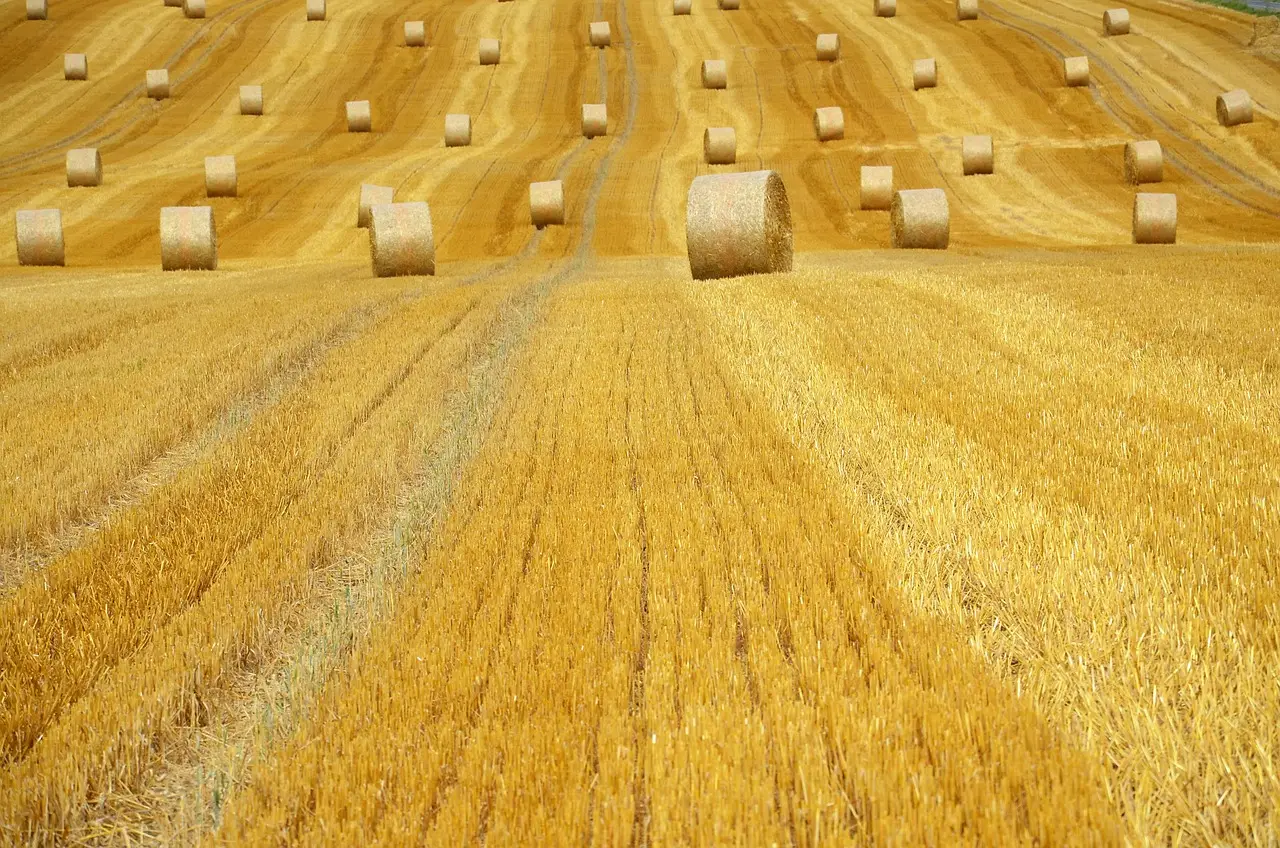
Cereal-growing areas that keep at least 70% of crop residues in the field generally support greater local biodiversity than areas where less remains, according to a study led by the University of Surrey published in Agriculture, Ecosystems and Environment.
The finding lands as Europe pushes to expand renewable energy production, with wheat and corn stems, leaves and husks seen as a feedstock for fuel and bioenergy. Residue retention, the researchers report, was a stronger predictor of biodiversity than crop yield — a result that puts post-harvest management decisions on the same footing as productivity when assessing how much residue can be diverted to energy markets.
What did the researchers actually measure?
The team worked with the Natural History Museum's Biodiversity Futures Lab and Utrecht University. They built statistical models that combine biodiversity measurements across European land uses, including cereal fields, with data on crop yields, residue management and environmental conditions.
A caveat sits inside the study itself. The models identify a relationship between retention and biodiversity; they do not demonstrate that removing residue directly causes biodiversity loss. The researchers state that further research is needed to establish that direct effect. What the models show now is correlation strong enough to matter for bioenergy planning.
Professor Zoe M. Harris, director of the Centre for Environment and Sustainability at the University of Surrey, said: "Crop residues could provide a valuable source of renewable energy for Europe's green transition, but as with any natural resource, we need to fully understand what happens if we take more of these materials from fields."
"Our findings suggest that there could indeed be consequences for biodiversity, and that needs to be factored in when assessing how much crop residue can sustainably be used for bioenergy production," Harris said.
Where else could the feedstock come from?
Residues are not a free resource. They already supply animal feed and bedding, and the material left in fields maintains soil health and provides food and habitat for wildlife. The study flags a competing-demand problem: energy planners, livestock producers and soil managers are drawing on the same biomass.
Lead author Dr. Sophie Tudge, who carried out the research during her PhD at Surrey and is now a postdoctoral researcher at the University of Leeds, points to an alternative supply route. "Rather than removing more crop residues from fields, we should also be looking at how they're used elsewhere, including in animal production," she said.
"There may be opportunities to make more of this material available for bioenergy without putting additional pressure on farmland and the wildlife it supports," Tudge said.
That route carries its own unresolved questions. Shifting residue out of feed and bedding would raise input questions for livestock producers, and the study does not quantify how much material could move between uses without cost consequences elsewhere.
What is at stake for growers?
For cereal growers, the study's practical signal is that residue management is now a measurable variable in sustainability assessments, not just a tillage preference. Fields currently retaining a high proportion of residue would face the largest biodiversity consequences if removal increases, the researchers suggest.
The study also connects to the broader challenge of protecting natural habitats from agricultural expansion — bioenergy demand that drives land use change would offset field-level gains.
With the mechanism between residue removal and biodiversity loss still unproven, expect follow-up fieldwork before any retention benchmark, such as the 70% figure, hardens into policy guidance for Europe's bioenergy supply chain.
via seedworld.com (Source)
More from Olivia Hart
Show full bio
News editor covering technology and product news in Agribusiness coverage for industry professionals at Agribusiness Wire.
516 articles
Also in the yard
- Precision Data Aims to Link Soil Health Metrics to Crop Budgets
- MSU publishes guide on collecting, cataloging precision-ag yield data
- Crop Protection's Pivot: Biologicals and AgTech Take the Field
- USDA ARS Publication Maps Benefits and Tech Lineage of Precision Agriculture
- Corn residue can vanish before harvest in soil-health systems