Lot No. LOT-7609 · offered November 17, 2026
Agricultural PolicyLot sheet
Iran Denies Cyberattacks on More Than 700 French Food Retail Sites
France attributed October cyberattacks on more than 700 food retail sites to an IRGC-linked unit; Iran denied responsibility, with spoilage estimated at tens of millions of euros.
Market notes
- October 11-12: More than 700 food retail sites in France were affected.
- The estimated spoilage loss was tens of millions of euros after refrigerator controllers were reset to high temperatures.
- C4 tied the October campaign to the Shahid Kaveh unit; Iran denied responsibility.
- France promised sanctions, and the Paris prosecutor said it would open a judicial investigation.
- November: More than 100 stores were hit across Luxembourg, Belgium, Sweden, the Netherlands and other countries.
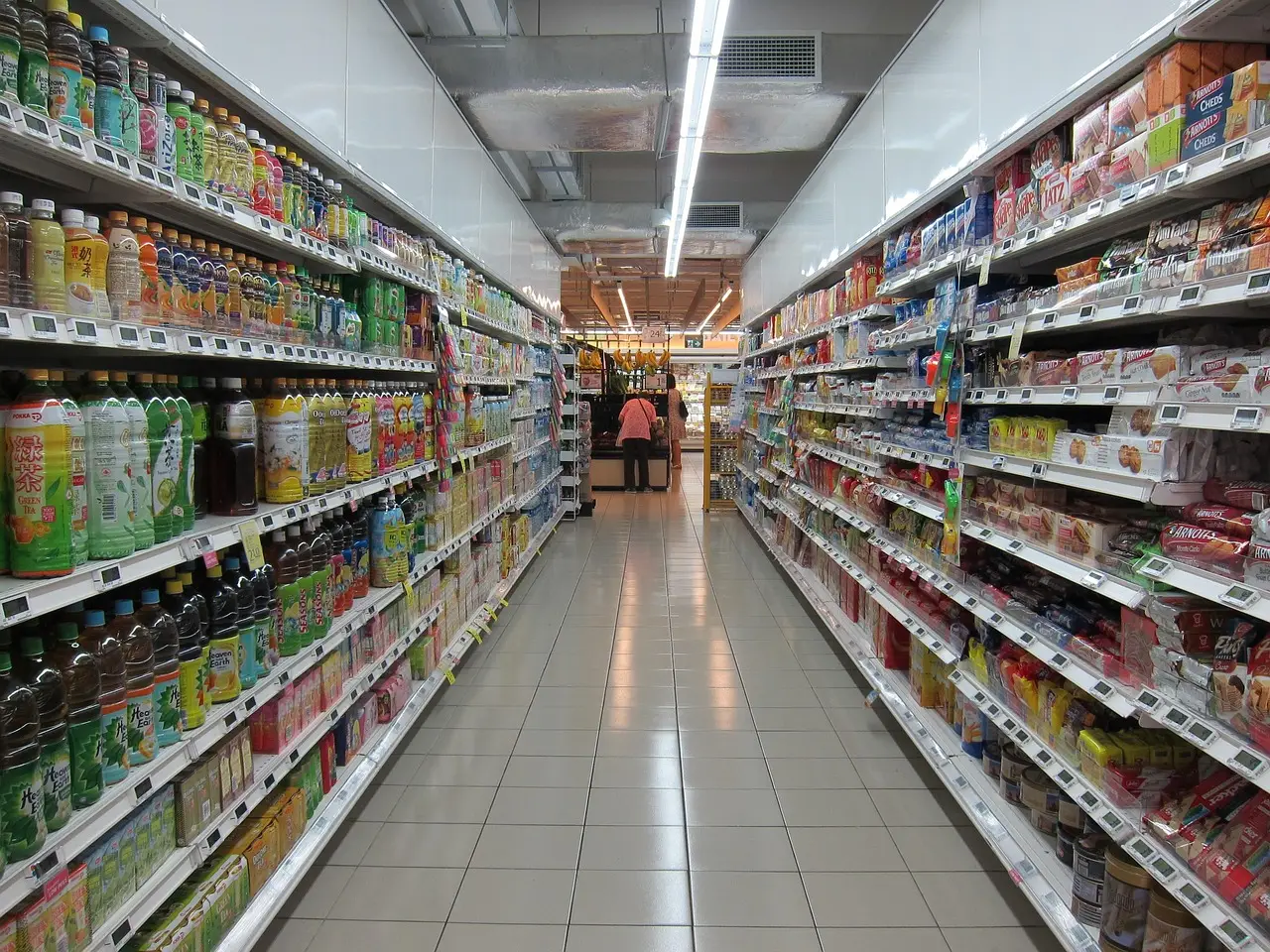
More than 700 food retail sites in France were affected by cyberattacks on October 11 and 12; hackers remotely reset refrigerator controllers, causing fires and an estimated “tens of millions of euros” in food spoilage.
France’s Cyber Crisis Coordination Centre, or C4, said its investigation attributed the attacks “to the Shahid Kaveh cyber-offensive unit, affiliated with the electronic and cyber center of the Islamic Revolutionary Guard Corps of Iran.” Tehran denies responsibility.
Iran’s foreign minister said Tehran “categorically rejects the French government’s baseless and one-sided accusations against Iran regarding alleged cyber activities in France.” The minister also strongly condemned France’s policy of leveling accusations against the Islamic republic.
What did the attackers target?
The attacks targeted software from Danish firm Danfoss that lets food retailers control cold-storage units remotely. Hackers reset refrigeration controllers to high temperatures; the heat triggered fires and spoiled food at supermarkets and other retailers.
Affected major French food retailers included:
- Carrefour
- Monoprix
- E.Leclerc
- Coopérative U
- Intermarché
C4 also reported other agrifood victims: several small butcher shops, a slaughterhouse and cooperative agrifood factories. The agency did not name those businesses or publish a separate loss estimate.
How did France characterize the campaign?
France’s Ministry for Europe and Foreign Affairs called the operation unprecedented in scale and aggressiveness. It described the attacks as the first cyberoffensive campaign carried out solely to commit sabotage on French national territory.
France treated the campaign as sabotage rather than theft or operational disruption alone. The ministry said it would use all available means of response, including new sanctions against Iranian entities and individuals involved in the attack or other malicious cyber activity.
The Paris prosecutor’s office said it would open a judicial investigation into fraudulent attacks on an automated data-processing system, damage by dangerous means in an organized gang, and participation in a criminal conspiracy to prepare a crime. It said the alleged aim of serving a foreign power, identified as Iran, aggravates the case.
What does this change for food retailers?
The direct financial hit was inventory: an estimated tens of millions of euros in food spoilage, alongside fires and operational disruption. The attacks also exposed retailers’ dependence on remote refrigeration controls, with Danfoss software identified as the targeted system.
But the estimate is not a full damage calculation. The report did not specify the number of refrigeration units affected, destroyed inventory values by retailer, repair costs, insurance claims, lost sales or changes in gross margin. It also gave no farm-level loss figure.
For growers and processors, the report shows disruption across the food supply chain but provides no calculation of lower farm prices, weaker basis, added input costs or margin compression. The distinction keeps the spoilage estimate separate from any broader estimate of agrifood economic losses.
What happened after the October attacks?
A second set of hacks in November affected more than 100 stores in Luxembourg, Belgium, Sweden and the Netherlands, among other countries. That wave widened the geographic footprint beyond France, although the report did not identify every affected country or retailer or estimate those losses.
France’s attribution remains a government finding, while Iran has rejected it. The planned judicial investigation will test the evidence, and France’s promised sanctions add an enforcement track. The practical watchpoint is whether investigators identify links between the November attacks and the Shahid Kaveh unit named in the October investigation.
via diplomatie.gouv.fr (Original)
More from Nathan Brooks
Show full bio
Staff writer covering regulation, policy and their impact on Agribusiness coverage for industry professionals at Agribusiness Wire.
576 articles
Also in the yard
- Ransomware Attacks on Food and Agriculture Doubled to 265 in 2025
- Ransomware Attacks on Food and Ag Sector Jump 62% Through July
- JBS-Style Ransomware Is a Farm-Gate Risk: A Vendor Checklist for Protein Producers
- Cargill CISO: 155,000 Trained Employees Are Core Cyber Defense
- CSIS Targets AI Precision Ag as Global Food-Security Lever