Lot No. LOT-2364 · offered September 29, 2026
Seeds, Crop Protection & FertilizerLot sheet
Iowa Grower Points to Fertilizer Profits as Evidence of Broken Market
Eastern Iowa farmer Lance Lillibridge calls fertilizer costs "out of control" and cites a 77% jump in manufacturers' second-quarter profits as proof of a broken input market.
Market notes
- Lance Lillibridge says fertilizer manufacturers' second-quarter profits rose 77% without matching volume growth.
- The eastern Iowa farmer describes the input market as broken and fertilizer costs as out of control.
- High input costs are straining production budgets and compressing farm margins in eastern Iowa.
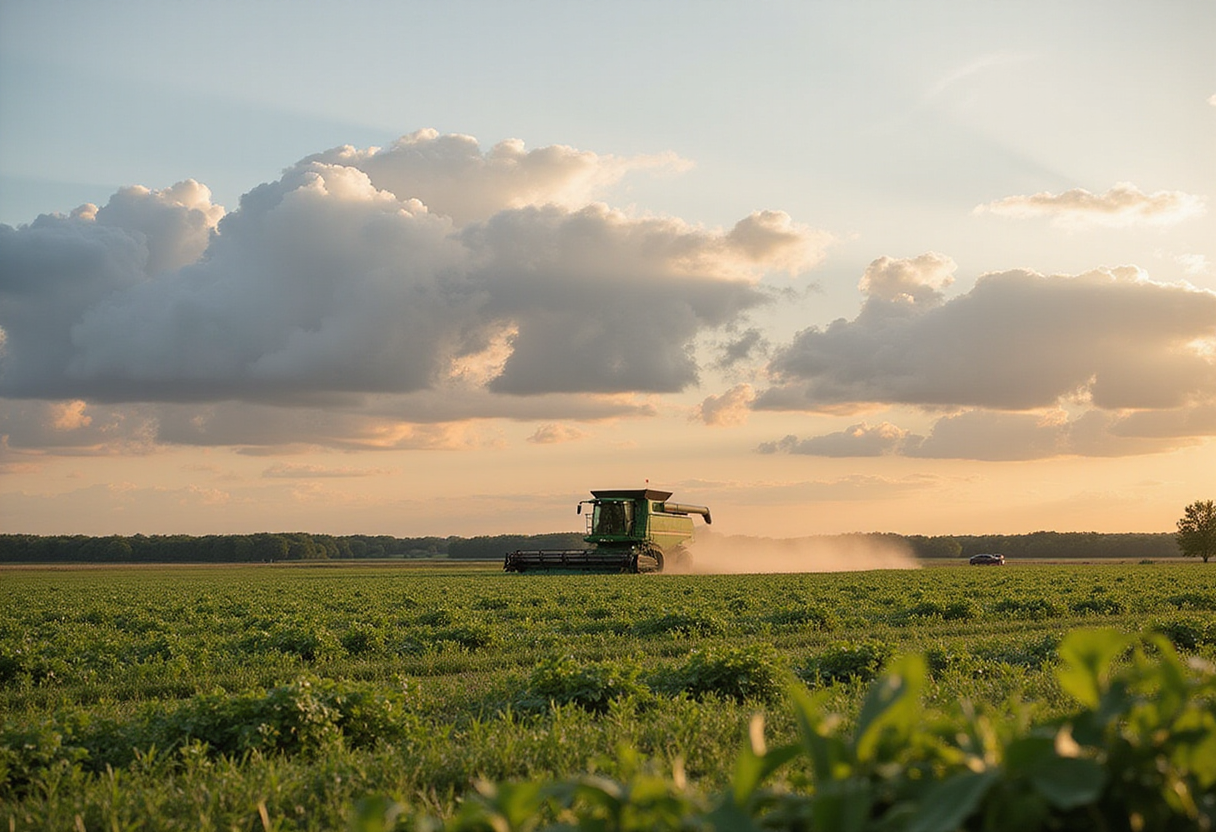
Eastern Iowa corn grower Lance Lillibridge says the financial strain from high production costs is becoming increasingly difficult to manage on his operation, and he puts fertilizer at the center of the problem.
"We have a broken market when we look at our inputs," Lillibridge told Brownfield. He said the squeeze starts with out-of-control fertilizer costs, and he pointed to the financial results of the companies supplying those inputs as evidence.
"Look at some fertilizer manufacturers," he said. "Their second quarter profits were up 77% while their volumes [increased far less]."
The gap between profit growth and volume growth is the core of Lillibridge's argument. In his reading, if manufacturers are posting a 77% profit increase without a comparable rise in the tonnage shipped, the additional margin is coming out of the price farmers pay per unit — not out of expanded sales.
That dynamic lands directly on farm margins in a state where corn dominates the rotation. Fertilizer is typically one of the largest single line items in an eastern Iowa corn budget, and a price increase that outpaces applied volumes raises the cost of production per acre without adding anything to the yield side of the ledger. When commodity prices do not rise in step, the margin compression has to be absorbed somewhere — in working capital, in deferred equipment purchases, or in the willingness to keep renting ground at current cash rates.
Lillibridge's framing of a "broken market" reflects a broader frustration that has circulated among row-crop producers since input prices surged: farmers buy in markets dominated by a small number of large suppliers, but they sell into a commodity system where individual operators have no pricing power. The result, growers argue, is an asymmetric squeeze that worsens whenever manufacturers post record profitability.
The 77% second-quarter profit figure Lillibridge cited deserves the same scrutiny any corporate earnings number receives. Reporting windows, one-time gains, and segment mix can all inflate a single quarter's result, and company-level profit statements are not always broken out by product line in a way that maps cleanly onto retail fertilizer prices. Still, the grower's core observation stands as a data point in the running debate over where the margin in the fertilizer supply chain is being captured.
For eastern Iowa operators, the practical question is forward budgeting. High fertilizer costs force decisions about application rates, product substitution, and acreage allocation well before the growing season begins, and each of those decisions carries agronomic risk if nutrients are trimmed below crop removal rates.
Lillibridge, who farms in eastern Iowa and has been vocal on farm policy and margin issues, indicated he expects the conversation over input costs and manufacturer profitability to continue as producers press for greater transparency in how fertilizer prices are set relative to production costs and shareholder returns.
via Brownfield Ag News (Source)
More from Grace Kim
Show full bio
Correspondent covering industry trends and analytics at Agribusiness Wire.
159 articles
Also in the yard
- Fertilizer Prices Ease, Yet Consolidation Worries Persist
- Overseas Conflict Pushes Fertilizer Prices Up, Squeezing Alabama Growers
- Iran Tensions Push Fertilizer Costs Higher, Squeezing Alabama Growers
- Fertilizer Prices Squeeze Corn Farmers as Planting Season Starts
- Fertilizer Prices Climb on Overseas Conflict, Squeezing Alabama Growers