Lot No. LOT-9291 · offered October 9, 2026
Seeds, Crop Protection & FertilizerLot sheet
Iowa Farm Bureau Highlights Stance on Preserving Crop Protection Chemistry
Iowa Farm Bureau's iowafarmbureau.com post "Preserving the tools that protect the crop" ties pesticide registration reviews to grower margins, framing existing crop protection chemistry as essential for the state's corn and soybean rotations.
Market notes
- Iowa Farm Bureau represents roughly 145,000 farm families across 100 county offices.
- Iowa plants about 13 million acres of corn and 9.5 million acres of soybeans.
- Crop protection spend runs $30 to $60 per acre for Midwestern corn-on-corn operations.
- A class switch can raise per-acre chemical costs 20% to 40% in a single season.
- Cash corn margins on much of the 2024 crop sit below $4.50 per bushel.
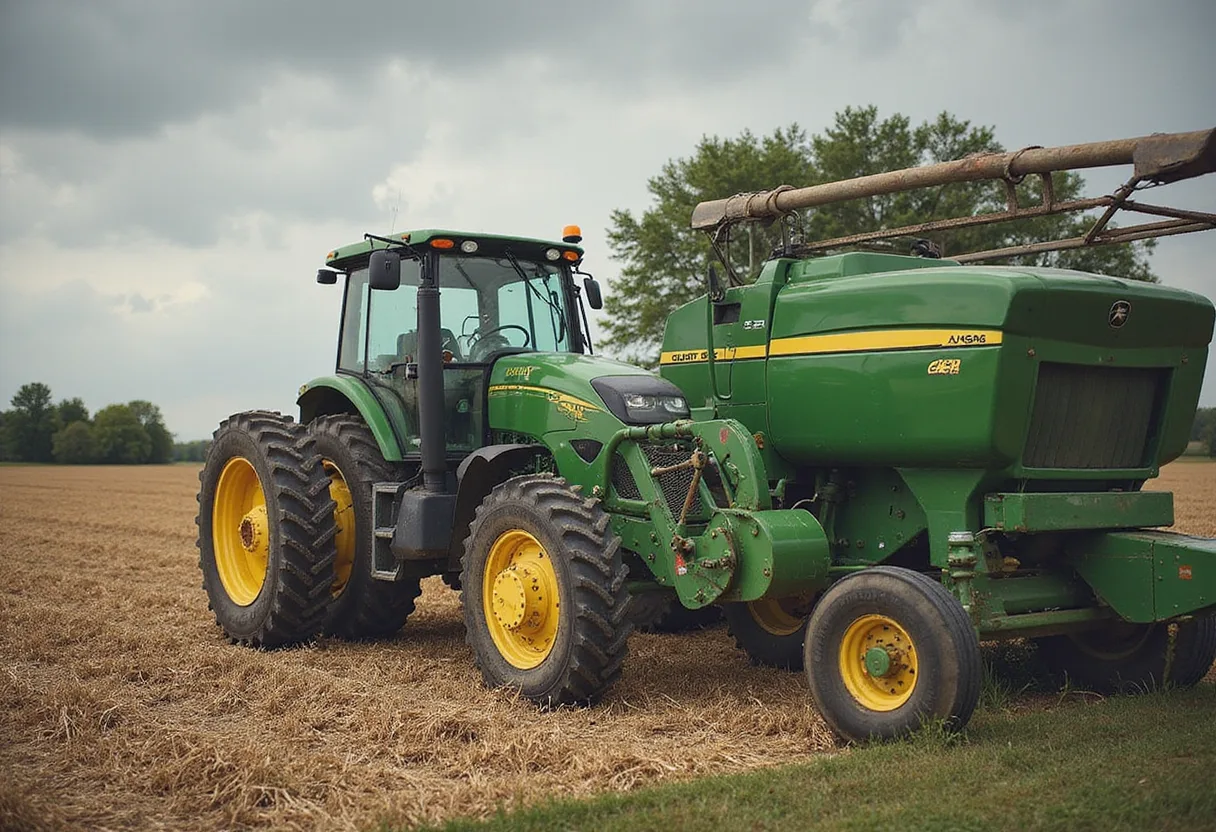
The Iowa Farm Bureau Federation has positioned access to crop protection chemistry as a farm-economics issue, publishing a piece under the headline "Preserving the tools that protect the crop" on iowafarmbureau.com that ties pesticide registration to grower margins.
The federation, which represents roughly 145,000 Iowa farm families across 100 county offices, regularly weighs in on herbicide, fungicide and insecticide issues at both the state capital in Des Moines and the federal EPA in Washington, D.C. The framing in this latest publication places existing chemistries — not new ones — at the center of the argument: tools already in use on Iowa's approximately 13 million acres of corn and 9.5 million acres of soybeans.
What is the Iowa Farm Bureau asking for?
The headline language points to defense of chemistries that face regulatory review, a recurring agenda for the organization. EPA's registration review process routinely revisits active ingredients such as atrazine, glyphosate and dicamba, each of which has generated comment letters from the federation over the past decade. Without specifying which molecule the new post targets, the title signals the federation's continuing pattern of opposing cancellations or label restrictions that would force growers to substitute more expensive alternatives.
Why does input cost matter at the farm level?
Crop protection spend typically runs $30 to $60 per acre for Midwestern corn-on-corn operations, depending on trait packages and weed pressure. A class switch — from atrazine to a mesotrione-based program, for example — can lift that line item by 20% to 40% in a single season, before factoring in application passes and adjuvant costs. With cash corn margins already compressed by reference-price shortfalls below $4.50 per bushel on much of the 2024 crop, the federation routinely attaches cost numbers to its policy asks.
What has Iowa Farm Bureau done previously on this file?
The federation has submitted comments on EPA's draft risk assessments for atrazine multiple times since 2020, and joined American Farm Bureau Federation amicus efforts on pesticide-related litigation. Its county policy development process funnels member resolutions on ag chemical access into the state and national policy book each December.
What to watch
Expect the federation to align any new commentary with upcoming EPA registration review deadlines and with the 2026 farm bill herbicide-resistance provisions under debate in the House and Senate Agriculture committees.
via Google News: Crop protection (Source)
More from Marcus Bennett
Show full bio
Senior reporter covering regulation, policy and their impact on Agribusiness coverage for industry professionals at Agribusiness Wire.
408 articles
Also in the yard
- Ag Groups Warn Crop Protection Access At Risk in House Farm Bill Debate
- EPA and HHS Expand Collaboration as Glyphosate Review Proceeds
- EPA clears new crop protection tools for U.S. growers
- Fischbach Leads House Letter Urging EPA to Preserve Key Crop Protection Tool
- Lawmakers Flag Consolidation in U.S. Seed, Fertilizer Markets