Lot No. LOT-3731 · offered November 17, 2026
Seeds, Crop Protection & FertilizerLot sheet
Heat and Drought Push European Seed Production Northward
Europe's 2026 seed harvest will land slightly below average as heat and drought push grass and legume seed production northward, DLF's John Larsen says resilience now rivals yield.
Market notes
- Europe's 2026 seed harvest is expected to be slightly below average after heat and drought.
- Angers, France, recorded 43°C in the shade on 25 June 2026 — the world's hottest spot that day.
- Temperate grass seed production has shifted northward over the past 10 to 15 years.
- Legumes such as alfalfa and red clover are increasingly evaluated in more stable regions.
- Heat- and drought-tolerant species — tall fescue, festulolium, alfalfa, red clover — performed better in 2026.
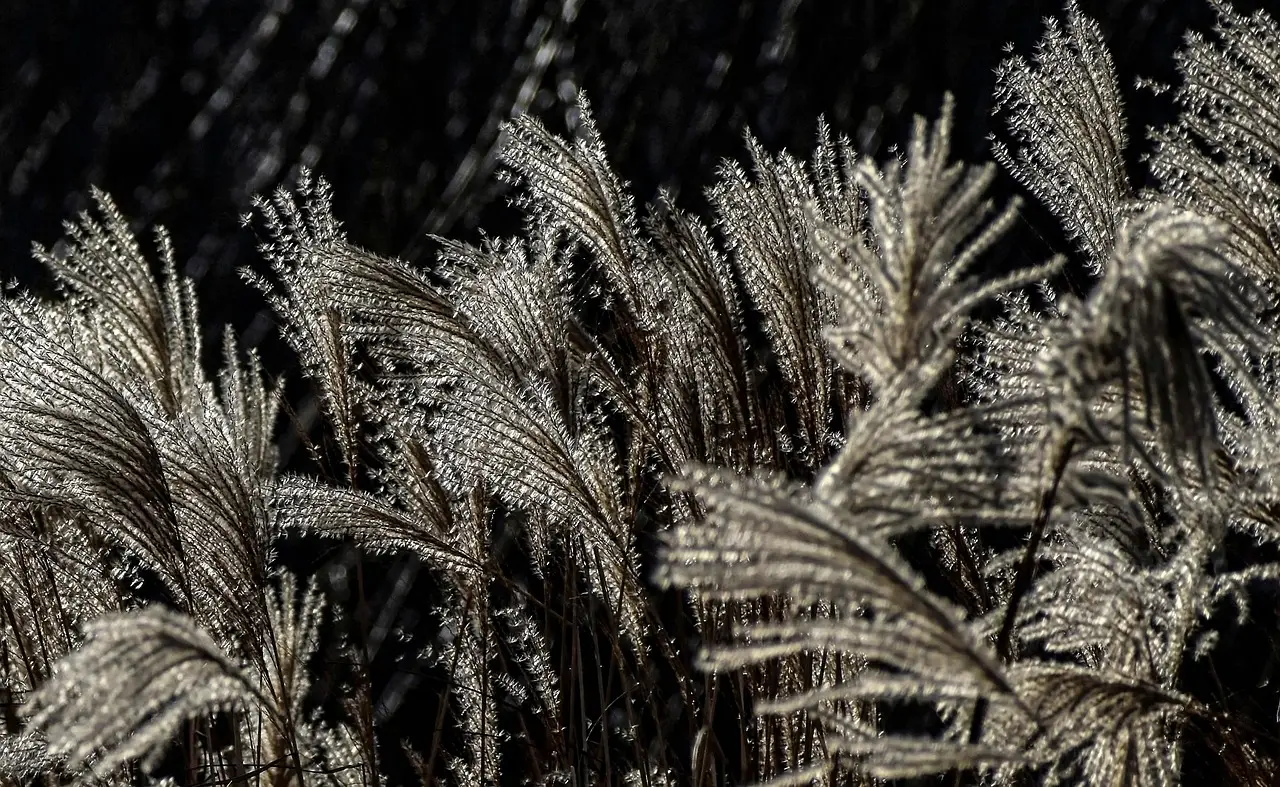
Europe's 2026 seed harvest is expected to come in slightly below average after dry, hot conditions hit several key production regions, with the French seed-producing hub of Angers briefly recording 43°C in the shade on 25 June — the hottest location tracked by global weather monitoring systems that day.
Parts of England saw record-breaking heat and prolonged dry periods over the same season, while France suffered severe drought, heatwaves and widespread wildfires through the summer months. Similar weather patterns reached seed-producing regions in the Netherlands, Germany and Denmark. For seed buyers, the consequences are already visible in procurement behaviour.
"Resilience is becoming just as important as productivity, and that reality is reshaping how the European seed industry approaches production, sourcing and plant breeding," said John Larsen, EVP Europe at DLF, one of the continent's major grass and forage seed suppliers.
Where is seed production moving?
The shift is gradual, not sudden. Over the past 10 to 15 years, production of temperate grass species (cool-season forage and turf grasses adapted to moderate climates) has steadily moved toward more northerly European regions, as areas that historically offered ideal growing conditions face rising temperatures and more frequent drought stress during critical growth stages.
The same pattern is now emerging in legumes. Alfalfa and red clover are increasingly being evaluated for production in regions with more stable growing conditions. The 2026 season reinforced the trend, particularly in Southern Europe, where heat and drought affected pollination and seed set (the formation of viable seed after flowering) in several legume crops.
What does this change for buyers and growers?
Because seed supply remains tied to biological production, weather moves both yield and availability. DLF reports that many customers are securing supply earlier than in previous years, a direct response to less predictable production conditions.
The company frames weather variability not as an occasional challenge but as a structural factor that must now be built into production planning, risk management and investment decisions. Any single season can be treated as a temporary event; simultaneous extremes across multiple production regions cannot.
How did modern varieties hold up?
One encouraging result from 2026: modern varieties demonstrated a high degree of resilience under challenging conditions. Decades of breeding have improved disease resistance, persistence, yield stability and stress tolerance across many turf and forage crops, and those gains mitigated part of this season's production losses.
Genetics alone did not compensate for everything. Prolonged heat and drought during flowering and seed development reduced pollination efficiency and seed formation in several species. Responses differed significantly between crops. Species with naturally stronger heat and drought tolerance often performed better, reinforcing grower interest in tall fescue, festulolium (a hybrid cross of fescue and ryegrass), alfalfa and red clover — crops that may take a larger role in future European forage systems as climate variability increases.
What changes in plant breeding?
Breeding priorities are shifting. Maximum yield potential remains important, but future success will increasingly depend on varieties that combine productivity with yield stability across a wider range of environments rather than excelling in one.
DLF's programme keeps conventional breeding as its foundation while using genomic selection (a method that predicts plant performance from DNA markers rather than field trials alone) to work more efficiently with the complex genetics of grasses, clovers and alfalfa. These tools allow earlier identification of promising plant material and support development of varieties with improved tolerance to drought and disease. New genomic technologies may add insight into the genetic mechanisms behind resilience and resource-efficiency traits.
What comes next?
The 2026 harvest confirms that resilience will be built through connected decisions — where seed is multiplied, how supply is diversified and which traits breeders prioritise — rather than any single response. Larsen's operation is investing in customer partnerships, diversified production systems and breeding programmes that deliver both productivity and stability.
The geography of European seed production is changing, but by acting on the signals of recent seasons, the industry can shape a more resilient production base for the years ahead.
via seedworld.com (Source)
More from Rebecca Stone
Show full bio
Market editor covering people, launches and day-to-day practice in Agribusiness coverage for industry professionals at Agribusiness Wire.
517 articles
Also in the yard
- Global Markets Now Drive Seed Sector Strategy, SeedWorld Reports
- World Seed Congress Delegates Address Trade Disruptions and Genetics
- El Niño Threatens South Africa's Grain and Oilseed Harvests
- New Zealand seed industry flags EU market access risk
- El Niño Threatens Seed Supply Chains; Industry Readiness Unclear