Lot No. LOT-8621 · offered October 9, 2026
Crop EconomicsLot sheet
Harvest Rains Stall U.S. Fieldwork; Corn, Wheat Futures Retreat
U.S. corn and wheat futures pulled lower this week as heavy rainfall stalled harvest fieldwork across major growing regions, per an AgroLatam dispatch, with margins under late-season pressure.
Market notes
- Corn and wheat futures moved lower across U.S. trade this week, according to AgroLatam.
- Heavy rainfall stalled harvest fieldwork across major U.S. growing regions.
- Wet harvest conditions typically trigger elevator drying charges and test-weight discounts at delivery points.
- USDA NASS publishes its weekly Crop Progress report on Mondays at 4 p.m. Central during the harvest window.
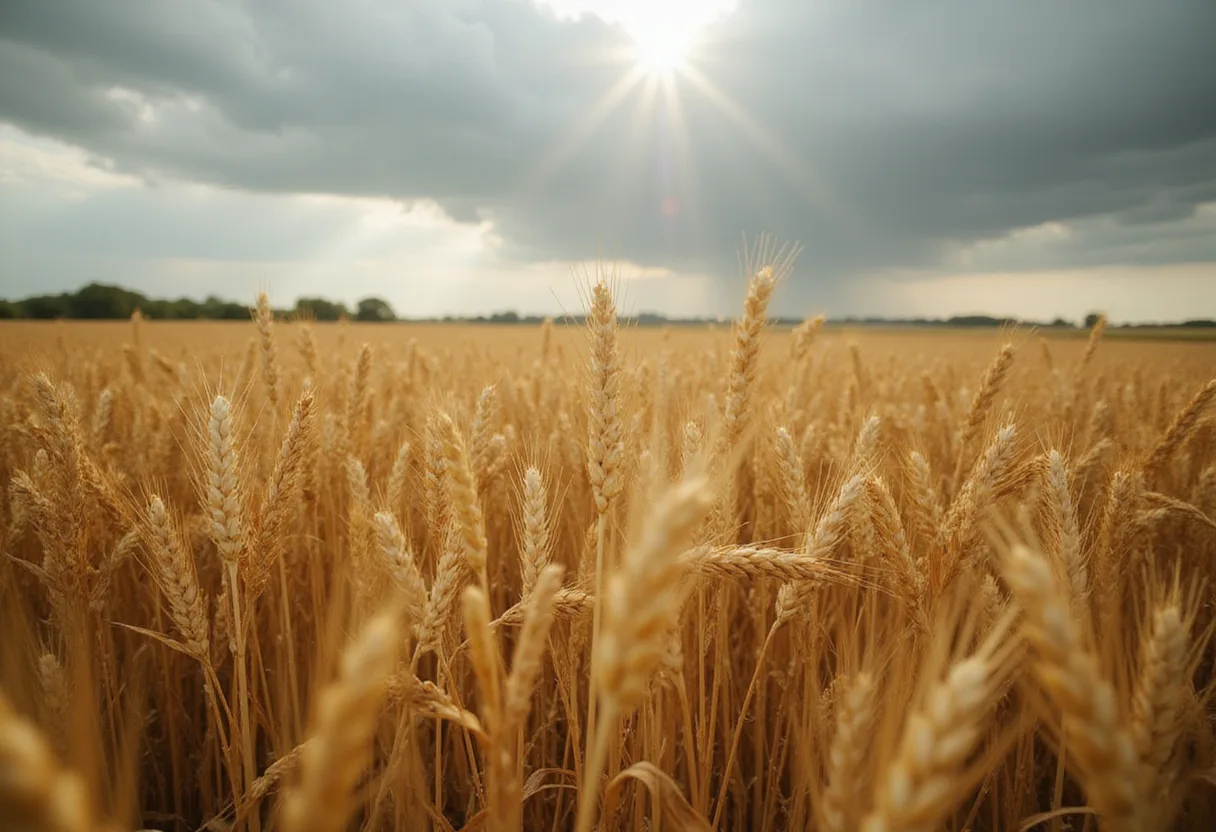
U.S. corn and wheat futures pulled lower this week as heavy rainfall stalled harvest fieldwork across major growing regions, according to a market dispatch circulated by AgroLatam.
The simultaneous pullback in board prices and the slowdown in field operations point to a margin squeeze for row-crop growers, particularly those operating without on-farm drying capacity and those still holding unpriced bushels at delivery points.
What did the AgroLatam report flag?
The dispatch identifies two converging pressures on the U.S. grain complex: weather stalling fall fieldwork and a directional move lower in corn and wheat futures. The headline-level summary does not specify contract months, per-bushel changes, or affected states, leaving those granular data points to the underlying source report cited by AgroLatam.
Why does wet weather pressure corn and wheat margins?
Late-season precipitation in the U.S. harvest window imposes a sequence of cost layers on producers who cannot wait out the weather:
- Commercial drying charges at the elevator for corn above standard moisture thresholds
- Test-weight discounts and quality losses in standing crop left in the field
- Lower effective net prices once shrink and dockage are applied at scale
- A compressed planting window for the following crop if fieldwork slips into late autumn
Each layer typically removes cents per bushel from the producer's net check, even when the futures price holds flat.
Who tracks the combined signal?
Farm managers, cooperative grain merchandisers, and processor procurement desks follow the daily stack of NOAA precipitation maps, USDA weekly Crop Progress data, and CME settlement prints. The convergence this week is the kind of signal merchandisers relay to members who have not yet priced old-crop bushels.
What does the futures retreat mean for basis?
A lower board print typically widens the basis that country elevators and processors carry, because delivery points try to compensate producers for slower harvest movement and higher handling costs. Country basis bids will set the actual cash price farmers see net of freight and time, regardless of where the board settles.
How should readers verify the data?
Anyone needing the precise futures change, the rainfall totals, or the harvest pace should consult:
- CME Group settlement reports for the relevant corn and wheat contracts
- NOAA daily precipitation totals, broken out by climate division
- USDA NASS weekly Crop Progress, released Mondays at 4 p.m. Central during the harvest window
- State check-off or cooperative board reports that publish basis and posted county prices
Those four sources resolve the headline framing of the AgroLatam dispatch into auditable numbers and operator-level price detail.
What does this mean for the new-crop year?
A delayed finish to the current harvest compresses the planning window for the following crop. Operators weighing seed variety selection, fertilizer prepay, and fuel lock-in typically need dry fieldwork days in late autumn to support those decisions. A wet October or November pulls those decisions onto a faster clock and may shift purchasing patterns at the retailer level.
What happens next?
The combined pressure on margins will firm up after the next USDA weekly Crop Progress release, which prints state-by-state harvest percentages for corn and soybeans. Until that report, growers carrying unpriced bushels face the recurring decision of whether to accept current basis or move inventory into winter storage in hope of a winter or spring rally. The AgroLatam dispatch is likely to draw on exchange-grade futures data and NOAA rainfall accumulations for the affected states once its underlying source report is published.
via Google News: Grain prices (Source)
More from Marcus Bennett
Show full bio
Senior reporter covering regulation, policy and their impact on Agribusiness coverage for industry professionals at Agribusiness Wire.
408 articles