Lot No. LOT-1325 · offered November 11, 2026
Agricultural PolicyLot sheet
Grocery Prices Up 34% Since 2020; Farmers Union Blames Consolidation
A Minnesota Farmers Union report says consolidation, surveillance pricing and price fixing drove a 34% grocery price rise since 2020, and backs a 2027 state ban.
Market notes
- Twin Cities metro grocery prices rose more than 34% since 2020, about 8 points above inflation.
- Farmers' share of the food dollar fell from ~50 cents in the 1950s to 15.9 cents, per the report.
- Four companies control 85% of beef packing, 66% of pork and 54% of poultry processing.
- Same Instacart basket at a St. Paul Target cost $81.24 to $86.78 in a 2025 investigation.
- Farmers Union seeks a 2027 Minnesota ban on surveillance pricing.
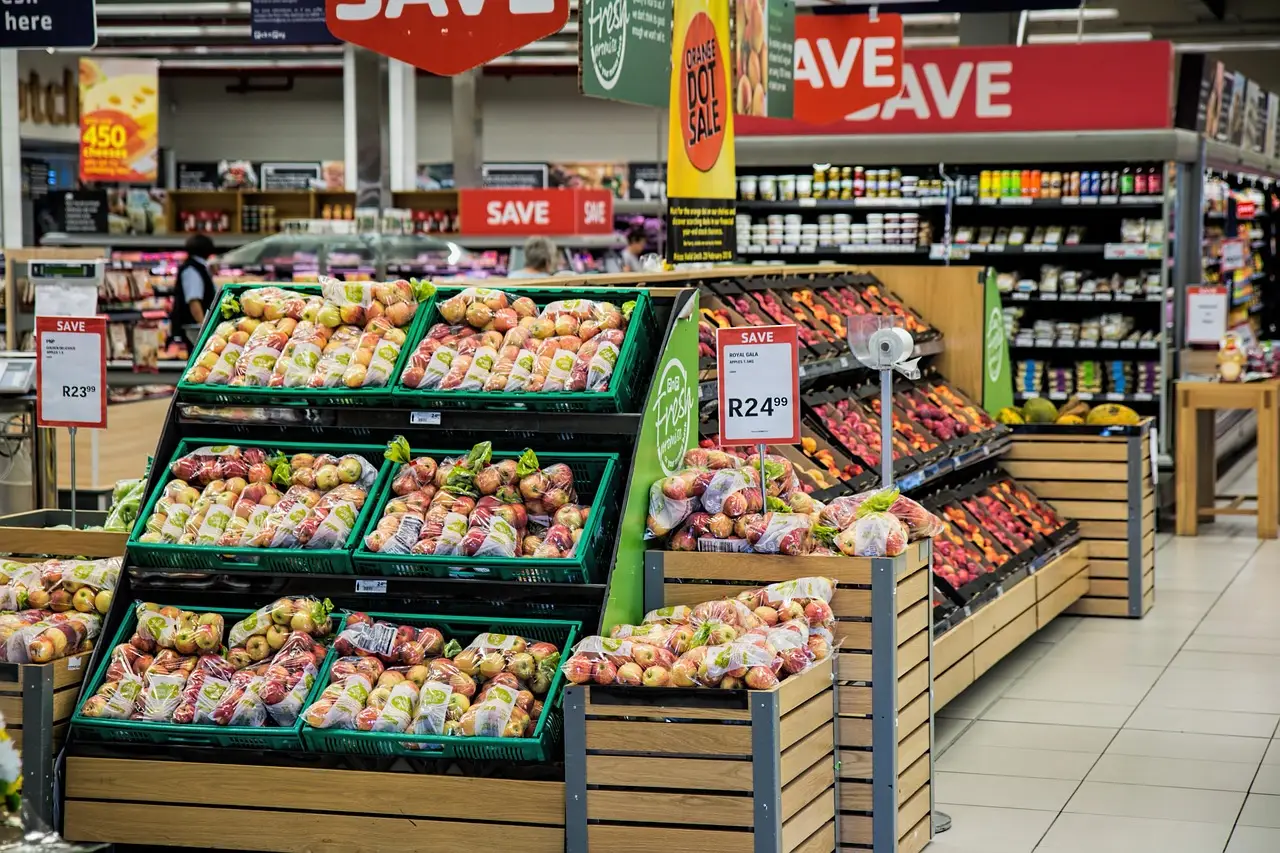
Grocery prices in the Minneapolis–St. Paul–Bloomington metro have climbed more than 34% since 2020, roughly 8 percentage points above overall inflation, according to Bureau of Labor Statistics data cited in a new Minnesota Farmers Union Foundation report.
The report, "The Secret Behind High Grocery Prices," released in October, argues that corporate consolidation — not just tariffs or supply shocks — is a major driver of those costs. Its author, Justin Stofferahn, antimonopoly director for Minnesota Farmers Union, wants state lawmakers to act in 2027.
He said tariffs and the war in Iran have dominated the price debate but leave structural problems untouched.
"I think going back to the status quo doesn't address these more structural issues," Stofferahn said.
The report examines three practices it says raise costs for shoppers, push out independent grocers and squeeze farmers: surveillance pricing, price discrimination and price fixing.
Where does the farmer's dollar go?
Stofferahn said farmers are not capturing the price increases. The report claims farmers' share of each food dollar has fallen from about 50 cents in the 1950s to 15.9 cents today.
The gap between retail prices and farm receipts is the report's core argument for treating consolidation as a margin problem, not just a consumer one.
Concentration at the processing tier frames that claim. According to the report, four companies control:
- 54% of poultry processing
- 66% of pork packing
- 85% of beef packing
The report also points to enforcement history. In 2023, the U.S. Department of Justice and several states, led by Minnesota, sued Agri Stats for allegedly helping meat processors fix prices. A settlement was reached in May. The report treats the case as evidence that coordination can be outsourced rather than abandoned.
What did the PepsiCo case show?
The report cites a 2025 Federal Trade Commission complaint alleging PepsiCo kept Walmart competitors from pricing soft drinks too close to Walmart's prices. PepsiCo denied the allegations, and the FTC dismissed the case in May 2025.
PepsiCo's latest annual report says Walmart accounted for about 14% of its 2025 revenue — a dependency Stofferahn reads as leverage.
"They're an enormous company in their own right, and yet they admit in that case that losing Walmart as a customer would have a material impact on them," he said.
The dismissal weakens the report's strongest retail example; Stofferahn's point rests on the filing's admissions, not a ruling.
What does Farmers Union want in 2027?
The group's top 2027 legislative goal is a statewide ban on surveillance pricing in retail — the practice of using shoppers' personal data to set individual prices. The report cites a 2025 investigation that found Instacart prices at a St. Paul Target ranged from $81.24 to $86.78 for the same basket of groceries.
Farmers Union also backs the Consumer Grocery Pricing Fairness Act, sponsored by Rep. Emma Greenman, DFL-Minneapolis, which would require suppliers to offer all grocery retailers the same terms. Stofferahn said grocers at Farmers Union roundtables reported paying 70% to 90% more at wholesale than big-box stores charge on the shelf — a claim drawn from roundtable testimony, not a published survey.
He also wants state price-fixing law to cover companies that "outsource their collusion" to third-party firms.
"Our price-fixing laws were written 100 years ago, 100-plus years ago, when you had to meet in a smoke-filled room to set prices, and now there's all sorts of other methods to do that," he said.
Stofferahn said he hopes the report shows high prices are not inevitable, and that markets can be structured "in a fairer, more open, more democratic way to the benefit of small businesses and farmers and consumers."
via agweek.com (Source)
More from Olivia Hart
Show full bio
News editor covering technology and product news in Agribusiness coverage for industry professionals at Agribusiness Wire.
504 articles
Also in the yard
- Farm Bill Stalemate Returns as Congress Splits Over Reauthorization
- Finstad: $14.6B Crop Receipt Jump Not Enough as Input Costs Bite
- Business Standard asks why food costs more with near-record grain stocks
- Global Agricultural Prices Surge 13% in Q3, Tightening Inflation Grip
- Farm Bill 2.0 Advances as Corn Growers Face Costly Harvest