Lot No. LOT-7014 · offered September 27, 2026
Crop EconomicsLot sheet
From Integration to Specialization: How Farm Structures Are Shifting
DTN Progressive Farmer's headline points to a structural shift from integrated to specialized farm operations, but the article body was not available to verify figures or name parties.
Market notes
- Source headline: "From Integration to Specialization," published by DTN Progressive Farmer.
- The article body was not delivered in the feed; no acreage, price, or regional figures could be verified from the source.
- The implied shift from integrated to specialized operations would affect input demand, custom-service pricing, and lender risk assessments.
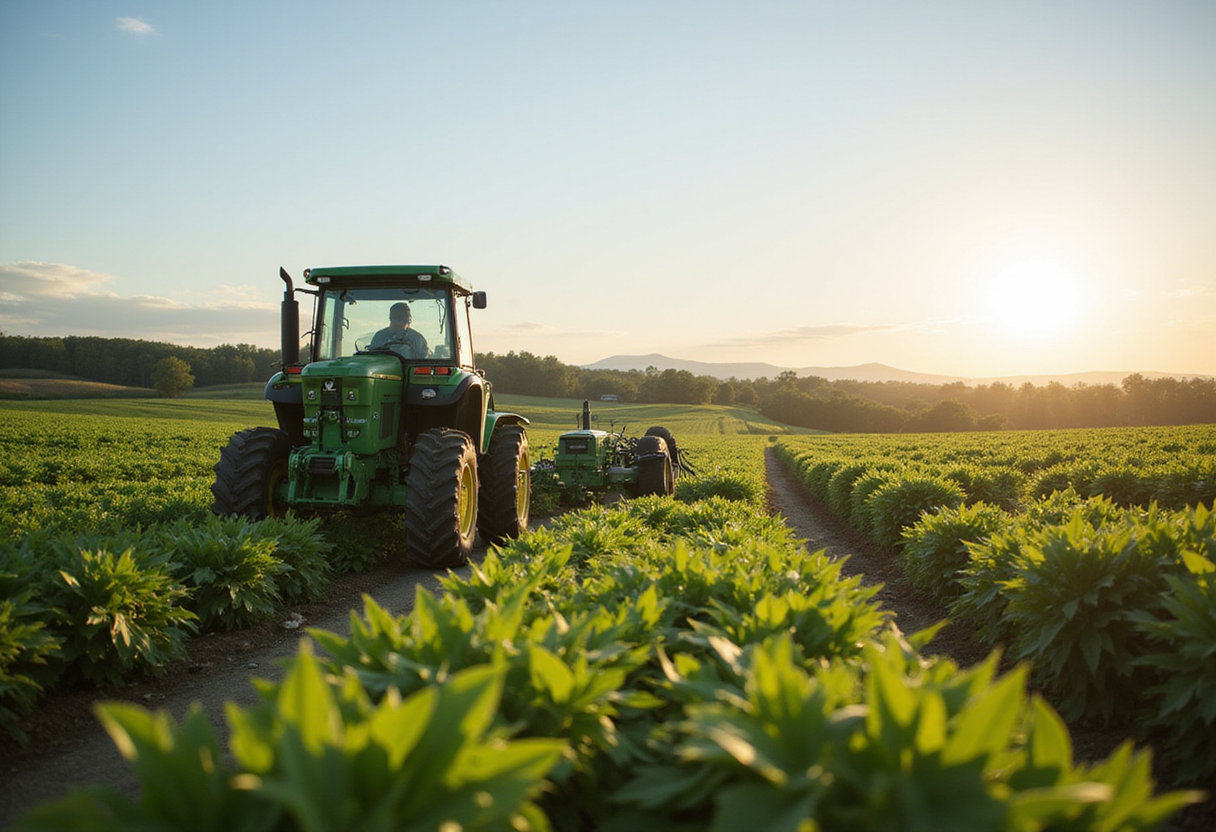
The only substantive content available from the source is its headline: "From Integration to Specialization," published by DTN Progressive Farmer. The article body did not come through the feed, so this wire item cannot report the underlying figures, named operations, regions, or policy details the piece presumably contains.
What the headline signals is a structural argument about farm organization. "Integration" in agricultural economics typically refers to operations that combine multiple production stages — for example, growers who also handle their own input supply, processing, or marketing — while "specialization" describes operations that concentrate capital and management on a single enterprise. The direction implied by the headline, from the former toward the latter, would mark a meaningful reversal of the consolidation and vertical-control strategies that shaped much of the past two decades of row-crop and livestock sectors.
Agribusiness Wire has not independently verified the reporting behind the headline, and no survey methodology, reporting window, acreage figures, price data, or named cooperatives and agencies can be cited from the material provided. Readers should treat this item as a pointer to the original DTN Progressive Farmer coverage rather than a summary of its findings.
For growers and input suppliers, the distinction matters at the level of margins. Specialized operations generally buy more services off-farm — custom application, hauling, storage, agronomic consulting — which shifts where margin accrues in the supply chain. Integrated operators capture more of the value chain internally but carry heavier fixed costs and capital exposure. Any shift between the two models would therefore affect input demand, basis behavior at country elevators, and the pricing of custom services across the regions involved.
Acreage allocation tends to follow the same fault line. Specialized row-crop operators respond faster to relative prices between corn, soybeans, and wheat because they can redirect planted area without reconfiguring integrated assets. Livestock and poultry integrations, by contrast, adjust capacity on contract cycles that lag the crop market by quarters or years. If the original article documents a measurable move toward specialization, the forward-looking question for the 2025 planting cycle and beyond is which input categories — seed, crop protection, equipment, or custom services — capture the resulting spending shift, and whether lenders reprice risk for operators that have shed diversified revenue streams.
via Google News: Crop protection (Source)
More from Rebecca Stone
Show full bio
Market editor covering industry trends and analytics at Agribusiness Wire.
135 articles
Also in the yard
- DTN Progressive Farmer Publishes "Winning the Input Game"
- Farm Progress: Three Factors Keeping Fertilizer Prices Elevated
- Crop Protection Restructurings Reshape Supplier Field for Growers
- Corn or Soybeans? Farm Progress Calls It a Coin Flip
- Lindsay (NYSE: LNN) Headlines Q2 Agricultural Machinery Stock Comparison