Lot No. LOT-8422 · offered November 19, 2026
Agricultural PolicyLot sheet
Forest Service Proposes First Grazing Permit Overhaul Since 1977
The first overhaul since 1977 would touch 96 million acres, extend livestock use permits to five years and add a surcharge on leased-livestock grazing. Comments close Dec. 14.
Market notes
- Forest Service proposes first grazing permit overhaul since 1977, covering roughly 96 million acres; comments due Dec. 14.
- Livestock use permits would extend from one year to five; allotment management plans would become optional.
- Drought and wildfire response could begin grazing up to 21 days early or extend it 21 days beyond the permitted period.
- Halter USA LLC spent $120,000 on Q3 lobbying, up from $20,000 in Q2; Nofence LLC spent $40,000 per quarter.
- Docket had received 120 comments as of Nov. 14; no date announced for a final rule.
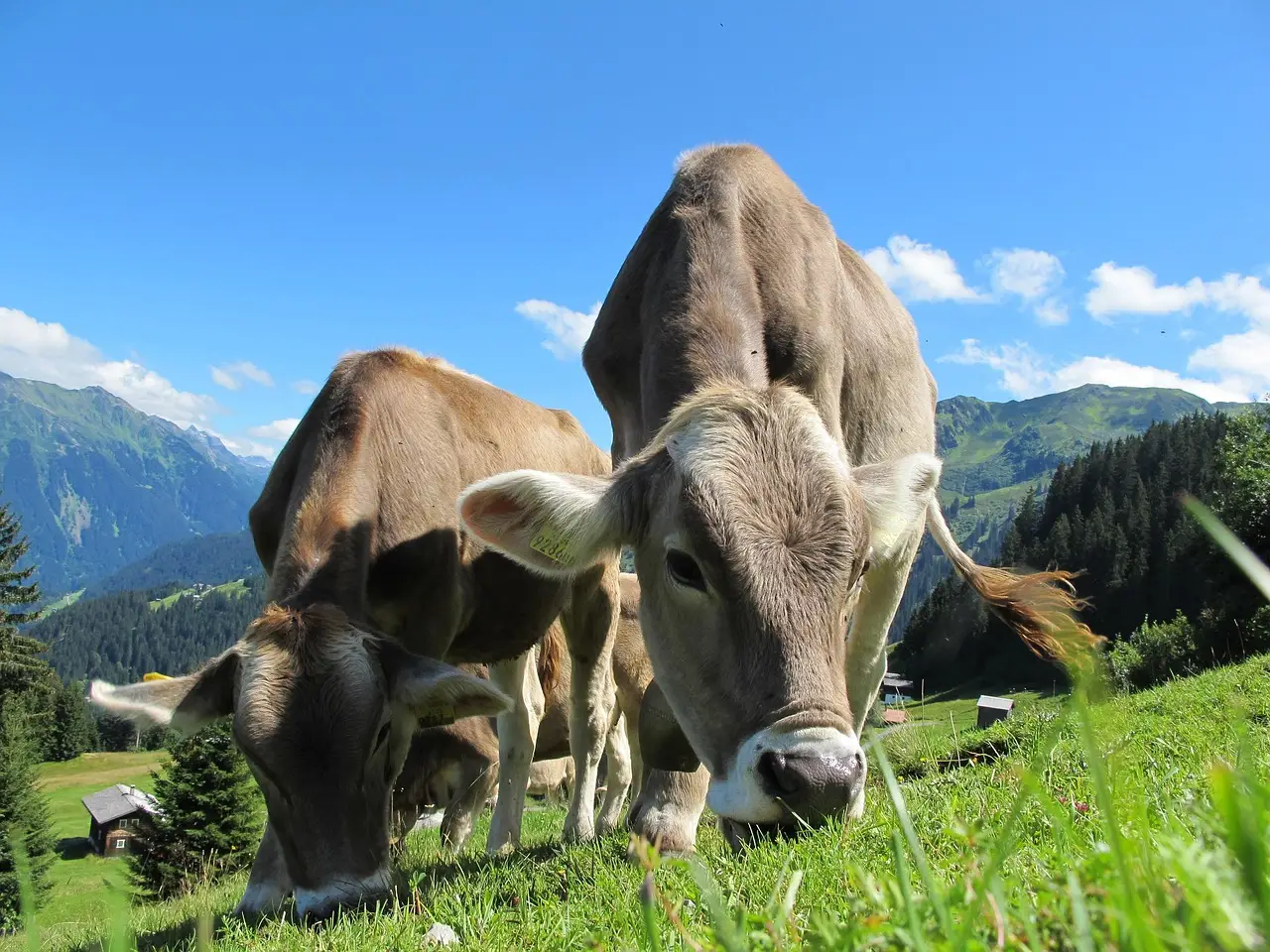
The Forest Service has proposed its first comprehensive overhaul of grazing permit regulations since 1977, a rule that would change eligibility, fees and drought procedures across roughly 96 million acres of grazing allotments on National Forest System lands. Public comments are due Dec. 14.
The proposal would expand permit access for beginning ranchers, lengthen certain permits, formalize drought and wildfire response, and introduce a surcharge for ranchers grazing leased livestock on federal land. It would also open new ground for companies developing virtual fencing technology and contractors managing vegetation.
Virtual fencing firms are already spending to shape the outcome. Halter USA LLC reported $120,000 in third-quarter lobbying expenditures on issues related to virtual fencing and grazing on federal lands, up from $20,000 in the second quarter — a sixfold jump in three months. Nofence LLC reported $40,000 in each of the first three quarters on grazing, livestock and virtual fencing issues, including the Farm Bill and the PRECISE Act.
What does the rule change for permit holders?
Four sections carry the most consequential changes.
Allotment management. Current regulations require analysis of each grazing allotment and development of an allotment management plan. The proposal would make those plans optional, letting the Forest Service develop them as needed. It would also establish a formal process for responding to drought, wildfires and other disturbances, with documentation requirements and flexibility to begin grazing up to 21 days early or extend it up to 21 days beyond the permitted period.
Permit issuance. Livestock use permits, currently capped at one year, would run up to five years. Ranchers could qualify for grazing permits using owned or leased property and livestock — a shift that expands opportunities for beginning ranchers, buyers of ranch property through extended agreements, and participants in mentorship or family succession arrangements.
Waivers and applications. The proposal would revise procedures for transferring grazing privileges and applying for permits. Forest Service officials could reject applications that would concentrate permits among a small number of operators or create inefficiently small permits.
Temporary non-use and modifications. A new section would consolidate procedures for temporarily stopping grazing or modifying permits. Temporary non-use for personal convenience would generally be limited to four consecutive years, and no more than four years within a rolling 10-year period when fewer than 90% of permitted livestock are grazed.
The rule would also consolidate grazing fee regulations for national forests in the 16 contiguous Western states and national grasslands. The existing fee formula stays, but a surcharge would apply to certain operators grazing leased livestock.
Who is driving it, and what comes next?
The Agriculture Department agency describes the effort as a way to modernize grazing administration, clarify existing policies and expand opportunities for ranching and land stewardship. The Forest Service developed the proposal in coordination with the Bureau of Land Management, seeking greater consistency between grazing requirements on national forests and other federal public lands.
The rulemaking arrives amid sustained lobbying by virtual fencing developers. Under the proposal, the agency could authorize stewardship projects — including outcome-based grazing and targeted grazing — through temporary grazing permits or livestock use permits, creating new contracting channels for technology providers and vegetation managers.
Comments must be received by Dec. 14, per the Federal Register. Regulations.gov reportedly lists Dec. 15, but the published deadline governs. As of Nov. 14, the docket had reportedly received 120 comments. The rule remains a proposal, and the Forest Service has not announced when it expects to issue a final version — leaving ranchers, permit applicants and fencing firms to weigh in before the deadline or wait years for certainty.
via legis1.com (Source)
More from Marcus Bennett
Show full bio
Senior reporter covering regulation, policy and their impact on Agribusiness coverage for industry professionals at Agribusiness Wire.
496 articles