Lot No. LOT-1578 · offered November 12, 2026
Agricultural PolicyLot sheet
USDA Rule Would Open More of 193 Million Forest Acres to Grazing
USDA's proposed rule would ease grazing permit eligibility, insurance and fees on national forests in 16 Western states, affecting 193 million Forest Service acres.
Market notes
- USDA announced a proposed grazing rule on November 10 covering national forests and grasslands in 16 Western states.
- Livestock grazing is permitted on nearly 40 percent of the 193 million acres the Forest Service manages.
- Grazing on Forest Service lands contributes more than 14,000 jobs and roughly $645 million annually to U.S. GDP, USDA estimates.
- The rule would update permit eligibility, insurance procedures and grazing fee provisions, aligning Forest Service and BLM processes.
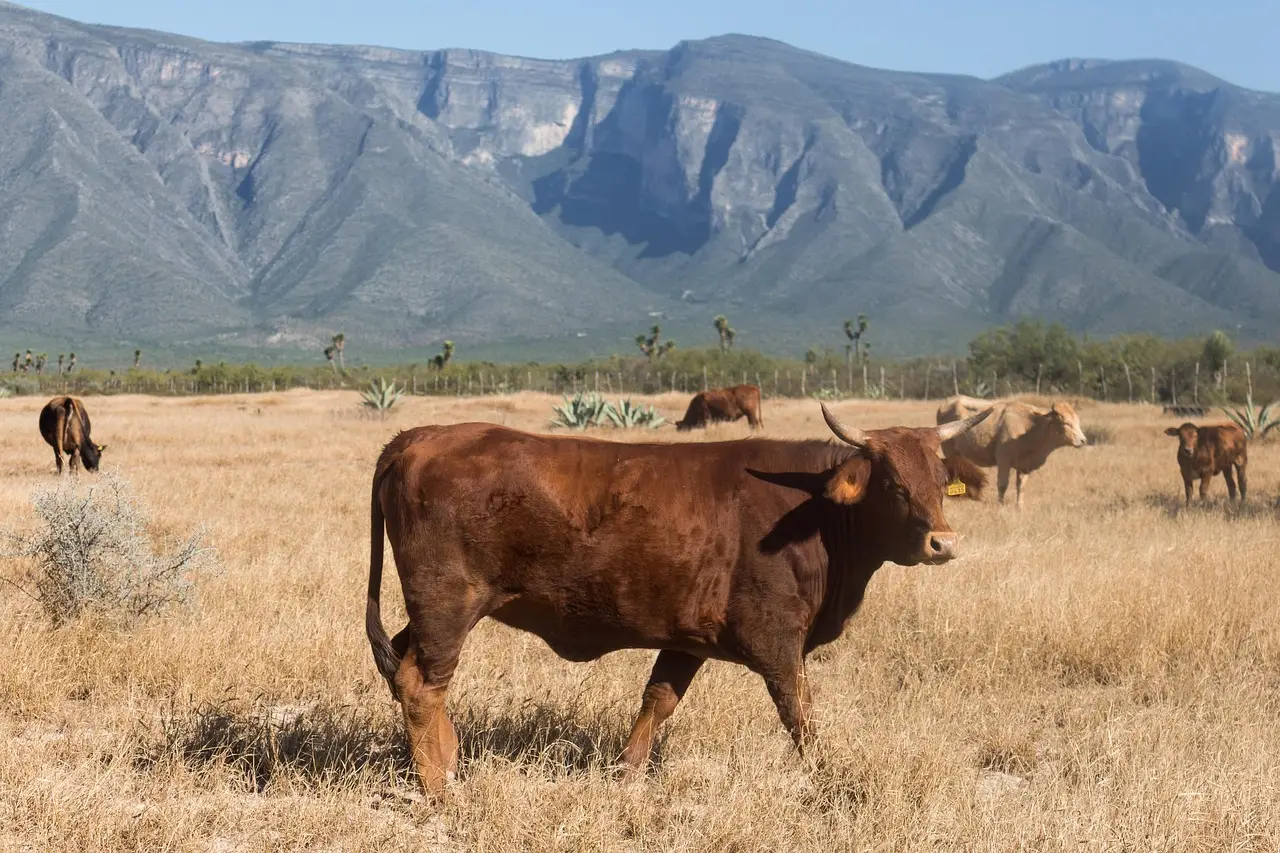
Livestock grazing is already permitted on nearly 40 percent of the 193 million acres the U.S. Forest Service manages, and USDA wants to make that access easier. Agriculture Secretary Brooke Rollins and Interior Secretary Doug Burgum announced a proposed rule on November 10 that would update grazing permit eligibility, insurance procedures, and grazing fee provisions on national forests and grasslands across 16 Western states.
The stakes for cattle producers are concrete. USDA estimates grazing on Forest Service lands supports more than 14,000 jobs and contributes roughly $645 million annually to national gross domestic product. For ranchers running herds across ground checkerboarded between the Forest Service and the Bureau of Land Management, the rule targets the paperwork friction that comes with two agencies, two rulebooks, and one operation.
What would the rule actually change?
Three provisions anchor the proposal:
- Permit eligibility — revised criteria for who can hold and manage grazing allotments on national forests and grasslands.
- Insurance procedures — updated processes covering grazing permits, a point of exposure for producers whose forage base sits on federal land.
- Grazing fee provisions — changes to how fees are assessed, aligned with the Interior Department's parallel system.
USDA frames the package as red-tape reduction. The agency says it wants greater consistency between the Forest Service and the Bureau of Land Management, and a more streamlined process for the many Western ranchers who operate on land managed by both.
The proposal sits within the administration's broader push on federal land management. Interior Secretary Burgum's involvement signals coordination across the two departments that split grazing authority in the West.
Who benefits, and what did the secretaries say?
Rollins tied the rule directly to industry policy. The proposal, she said, supports the administration's effort to strengthen the American beef industry while preserving the stewardship traditions of ranching families. Burgum added that aligning federal grazing rules will give ranchers more certainty and help lower costs.
For cow-calf operators in states from Montana to New Mexico, certainty is a margin question. Federal allotments supply seasonal forage that substitutes for purchased feed, and any reform that shortens permitting delays or stabilizes fee treatment feeds directly into stocking decisions and cash costs.
Wildfire rationale
USDA also made a land-management argument. Officials say managed grazing can reduce the dry vegetation that fuels wildfires, positioning cattle as a fuel-reduction tool on federal forest and grassland rather than solely a commodity enterprise. That framing aligns the rule with Western fire policy debates and gives grazing a stewardship case to weigh against competing land uses.
The agency says grazing on its lands supports ranching families and rural economies across the 16 affected states.
What comes next?
The rule is a proposal, not a final regulation. It now moves through the federal rulemaking process, where ranchers, grazing associations, and conservation groups will get the chance to comment before USDA finalizes permit eligibility, insurance, and fee changes. The scope — 193 million acres, 16 states, two cabinet departments — means any final version will reshape how Western producers secure the forage base under their herds.
via southeastagnet.com (Source)
More from Grace Kim
Show full bio
Correspondent covering people, launches and day-to-day practice in Agribusiness coverage for industry professionals at Agribusiness Wire.
507 articles
Also in the yard
- $10M Great Plains Grassland Fund Targets 400,000 Acres for Ranchers
- Farm bill deadline arrives; growers face subsidy, planning uncertainty
- USDA Expands Regenerative Pilot Even as Farm Bill Trims Its Funds
- Federal Farm Bill Expires, Rural Programs In Funding Limbo
- USDA Puts $630 Million Behind Small Meat Processors