Lot No. LOT-5339 · offered October 9, 2026
Seeds, Crop Protection & FertilizerLot sheet
Farms.com Outlines Corn Belt Seed Choices for 2026 Harvest
Farms.com released its 'Corn Belt Insights: Seed Industry Trends for the 2026 Harvest Season' outlook, previewing hybrid choices, trait fees and seed treatments for Midwestern corn growers ahead of next spring's planting.
Market notes
- Farms.com published 'Corn Belt Insights: Seed Industry Trends for the 2026 Harvest Season.'
- The preview targets Midwestern corn growers planning for the 2026 planting season.
- Hybrid turnover, trait fees and seed-treatment packages are the central themes.
- U.S. seed companies typically release 2026 outlooks in August through October.
- Firm 2026 seed pricing is generally disclosed in November and December.
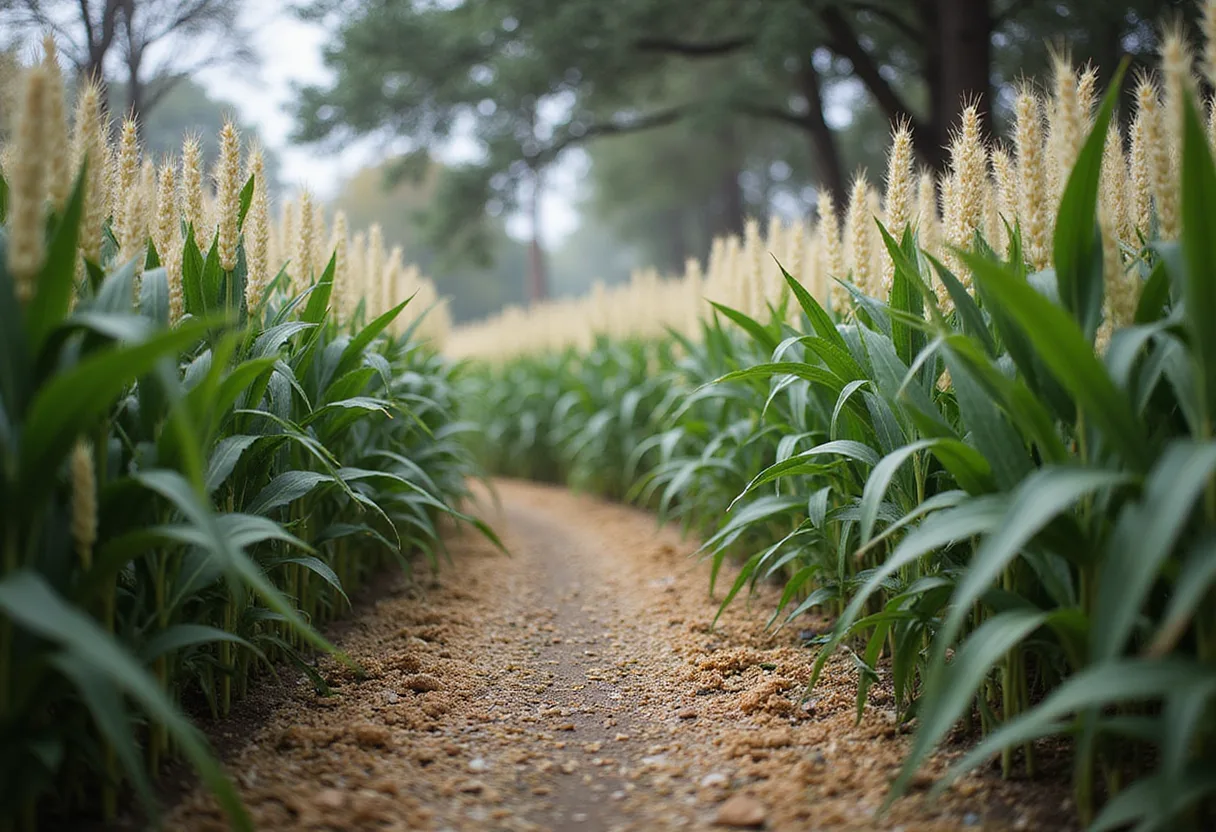
Farms.com has released "Corn Belt Insights: Seed Industry Trends for the 2026 Harvest Season," a regional preview aimed at Midwestern growers weighing hybrid selection, trait stacks and seed-treatment packages ahead of next spring's planting decisions.
The piece enters a market shaped by compressed margins, weather-driven yield variability and renewed focus on per-bag economics. Seed firms serving the Corn Belt typically publish agronomic outlooks six to nine months before planting so retailers, cooperatives and independent dealers can plan inventory, financing terms and pricing.
What does the Corn Belt cover in this outlook?
Corn Belt coverage in agronomic reporting generally runs from central Ohio west through Indiana, Illinois, Iowa, southern Minnesota, eastern South Dakota and eastern Nebraska. Farms.com's preview focuses on that Midwestern stretch, with attention to seed-channel decisions that drive planter fill in April.
Why does the 2026 seed outlook appear this early?
Hybrids sold for the 2026 harvest were locked in through field trials completed in 2023 and 2024, with commercial seed production contracted last winter. Early outlooks let growers compare trait packages, refuge requirements and treatment stacks before sales windows open in November. Trait choices affect rootworm management, drought tolerance and the price growers pay per bag.
What are growers weighing in seed selection?
- Hybrid turnover: replacement rates typically run three to five years as genetics refresh
- Seed treatments: fungicide, insecticide and biological packages add to per-unit costs
- Trait fees: above- and below-ground insect stacks carry separate royalty charges
- Channel choice: cooperatives, independent dealers and direct sales price differently
- Rebate and financing terms: early-pay discounts shift the effective per-bag price
How does Farms.com fit among competing previews?
Major seed companies release preview-style outlooks each September, including Pioneer (Corteva), Bayer (DeKalb and Asgrow), Syngenta (NK and Golden Harvest) and BASF (Xitavo soybeans). Regional cooperatives often publish trial-plot summaries. Those releases typically run from late August through October and set the tone for winter meetings and dealer calls.
How should growers read the Farms.com piece?
Treat the preview as a starting point for dealership conversations, not a final recommendation. Match hybrid maturity, trait stack and plant population to soil type, drainage and the yield history of each individual field. Confirm pricing against current cooperative rebate schedules before signing any purchase agreement.
When does firm pricing arrive?
Seed-firm previews seldom contain binding price disclosures. Growers will see firm per-bag and per-unit pricing once sales representatives call in November and December. Until then, the Farms.com Corn Belt Insights piece serves as a directional reading on which genetics and trait stacks the industry expects to emphasize for the 2026 harvest — a baseline for conversations that will sharpen once dealer pricing opens later this fall.
via Google News: Seed industry (Source)
More from Rebecca Stone
Show full bio
Market editor covering people, launches and day-to-day practice in Agribusiness coverage for industry professionals at Agribusiness Wire.
429 articles
Also in the yard
- Updated Corn, Soybean Seed Lineups Roll Out for 2027 Season
- Fertilizer Squeeze Could Reshape Seed Industry for Years, SeedWorld Warns
- First Corn and Soybean Seed Shopping List Arrives for 2027 Planning
- Corn and Wheat Prices Hit Multi-Year Highs
- Seed Industry Consolidation Continues, DTN Progressive Farmer Reports