Lot No. LOT-9331 · offered September 29, 2026
Precision Agriculture & AgTechLot sheet
Farmers Trial Precision Mapping To Target Slugs In Arable Fields
Growers are pioneering precision crop protection against slugs, using field mapping to target patches rather than blanket-treating fields — cutting input costs and pellet volumes.
Market notes
- Farmers are pioneering a precision, map-based approach to slug control that targets damage patches instead of whole fields.
- The method aims to cut molluscicide pellet use and input costs, and reduces chemical load on soils and watercourses.
- The source report gives no figures on participating farms, crops, technology used, or measured pellet savings.
- Regulatory pressure on slug pellets, including the UK metaldehyde ban, is adding urgency to lower-volume control methods.
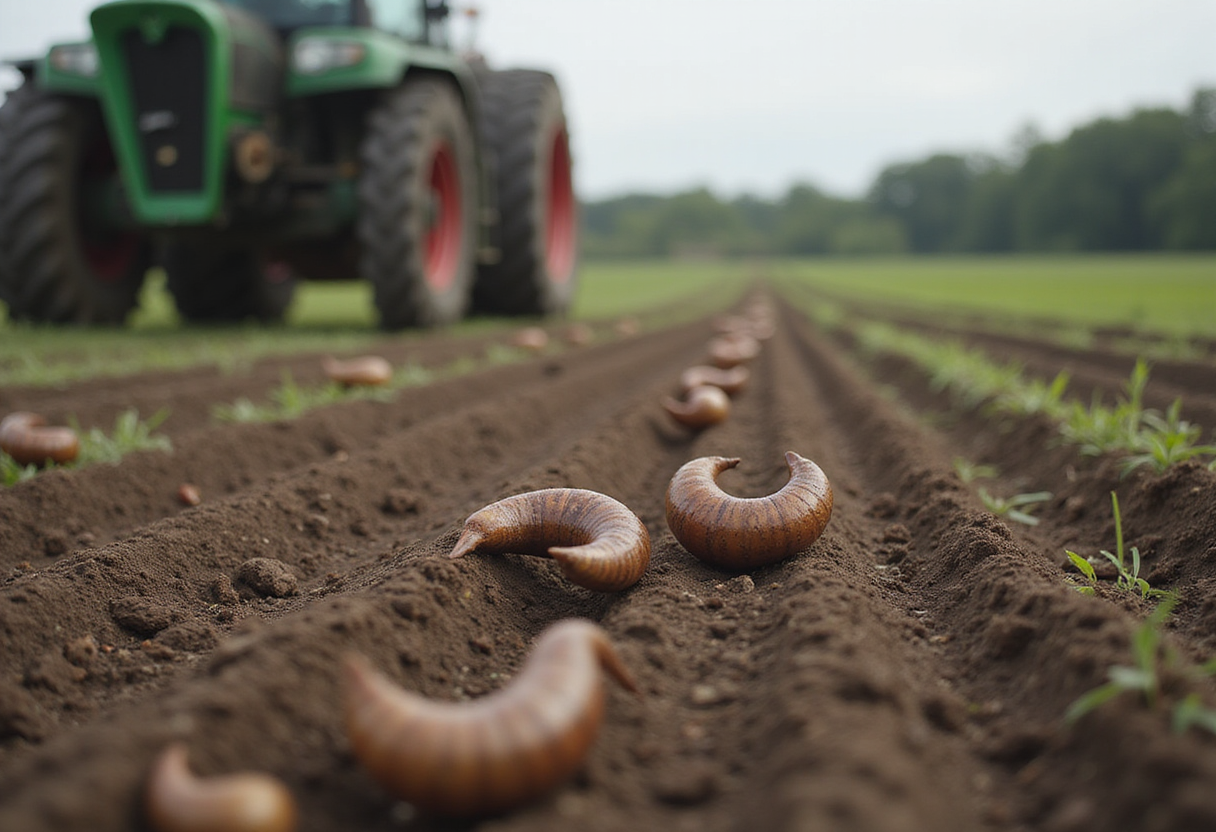
A group of farmers is trialling a new approach to slug control that puts the pest literally on the map — using field-scale mapping and precision methods to target damage zones instead of treating entire fields with pellets.
The initiative, reported by Positive News under the headline "Putting slugs on the map: farmers pioneer precision crop protection," positions growers themselves as the pioneers of the technique rather than agri-chemical companies or research institutes. That distinction matters for adoption economics. Farmer-led trials tend to spread through peer networks and demonstration events faster than top-down extension programmes, and they answer the question that matters most at the farm gate: does the method hold up under commercial conditions, on commercial timetables, with commercial machinery?
The agronomic case for precision slug control is straightforward. Slugs rarely damage a field uniformly. They cluster in patches — around headlands, in heavier soils, in crop residues and in damp hollows — while large parts of a field may escape damage entirely. Blanket applications of metaldehyde or, since its withdrawal in many markets, ferric phosphate pellets treat the whole area regardless. Precision targeting flips that logic: identify the patches, treat only those, and cut the product bill accordingly.
For growers, the input-cost arithmetic is the draw. Pellet costs are a recurring line item in cereal and oilseed rape budgets, particularly in wet autumns when slug pressure peaks and drilling follows slug-damaged seedbeds. Any method that reduces the treated area — even by a modest share — translates directly into lower spending per hectare, without necessarily raising the dose on the patches that do need protection. Whether the mapping tools themselves cost more than the pellet savings is the open question, and one the farmer-led trial format is well placed to answer.
There is also a regulatory dimension. Molluscide use has come under sustained scrutiny, most visibly with the UK ban on metaldehyde, imposed after the chemical repeatedly exceeded legal limits in water catchments. Ferric phosphate remains approved but faces its own periodic review. Techniques that cut total pellet volumes reduce both the residue risk that worries regulators and the paperwork burden that follows. Active substances under review have a habit of disappearing; growers who build lower-dependency pest programmes now are hedging against the next withdrawal.
The environmental case runs in parallel. Untreated refuge strips and lower pellet loads mean fewer impacts on non-target species — ground beetles in particular, which are themselves slug predators — and less active ingredient reaching soils and watercourses. Integrated pest management guidance in both the UK and EU already ranks chemical control as a last resort behind agronomic and physical measures, and precision mapping gives growers a documented way to demonstrate that pellets are being used only where the pest map justifies it.
The report does not specify the mapping technology involved, the crop types covered, the number of farms participating, or any measured reductions in pellet use. Those are the numbers that will decide whether the approach scales beyond a pioneering group. Until harvest data and cost comparisons from the trial surface, the story is a directional signal rather than a verified result: a sign that slug control — one of the least glamorous line items in the crop protection budget — is being pulled into the same precision orbit as fertiliser and spraying.
The next milestone to watch is whether the participating farmers publish treated-area and cost figures at the end of the season, giving the wider industry a hard basis for judging the method against conventional whole-field pellet programmes.
via Google News: Crop protection (Source)
More from Nathan Brooks
Show full bio
Staff writer covering marketplaces and e-commerce at Agribusiness Wire.
173 articles
Also in the yard
- Precision Agriculture Emerges as Key to Biological Crop Protection
- European Startups Push Precision Agriculture Into the Mainstream
- Challenge 250: New Crop Protection Initiative Targets Invasive Pests
- Precision Ag Funding in Farm Bill Eyed as Input-Cost Relief
- Pest Resistance Reshapes U.S. Crop Protection Strategies