Lot No. LOT-4297 · offered November 17, 2026
Trade & ExportsLot sheet
Farm Leader Says IMF Reserve Tool Could Reopen Export Markets
Nitrogen prices jumped 80% from February to April and farm fuel doubled. Ex-NCGA president Kevin Skunes wants Treasury to back a new IMF SDR allocation to reopen export demand.
Market notes
- April nitrogen prices rose 80% over February, the highest since April 2022.
- The Strait of Hormuz has been near-closed since Feb. 28, raising fertilizer and fuel costs.
- The UN warns some 45 million people face hunger risk; WFP earlier cited 318 million near crisis levels.
- A 2021 SDR allocation sent hundreds of billions in IMF reserve assets to member countries at no direct taxpayer cost.
- The U.S. holds veto power at the IMF, so Treasury support is required for any new allocation.
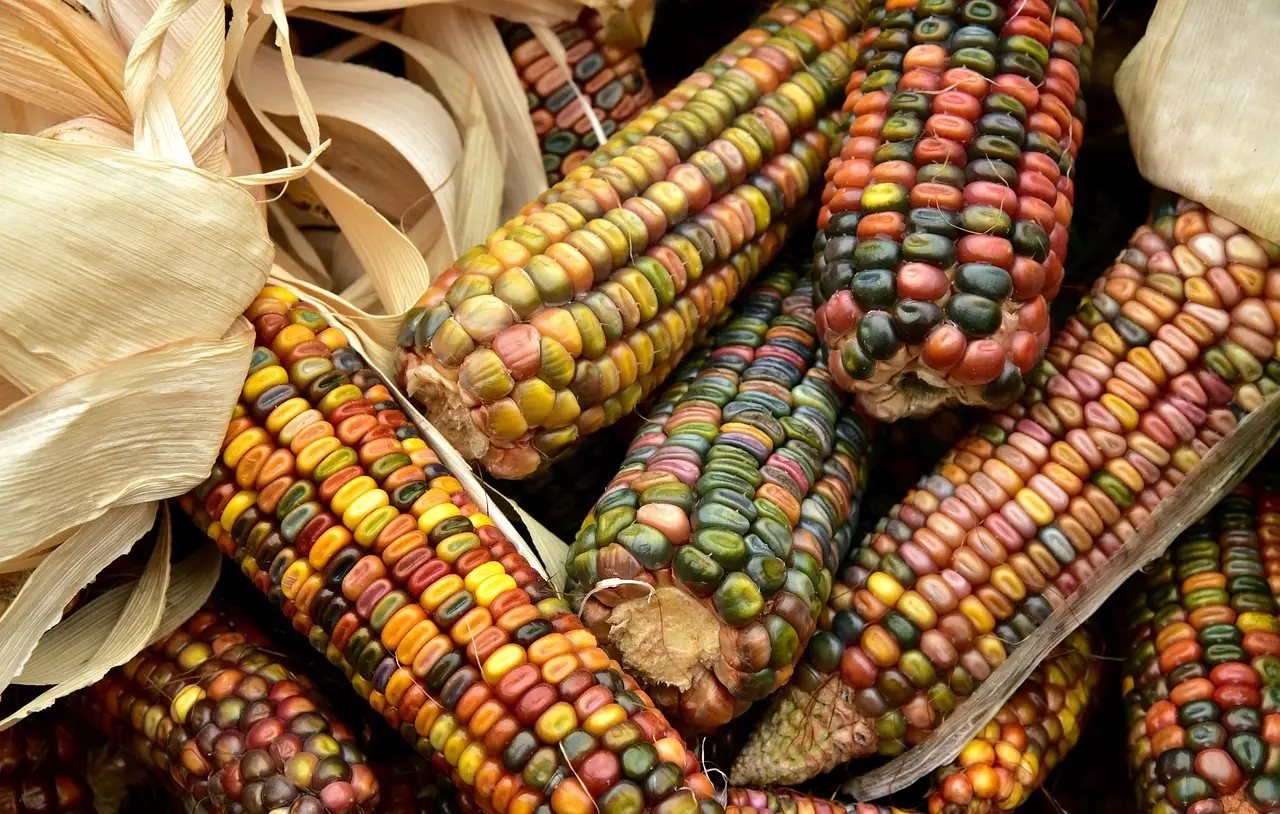
April nitrogen prices ran 80 percent above February's level — the highest since April 2022 — and a former National Corn Growers Association president says the Treasury Department can relieve the pressure without spending a taxpayer dollar.
Kevin Skunes, a corn and soybean farmer in North Dakota and past NCGA president, laid out the case in an opinion piece this week. His proposal: direct the International Monetary Fund to issue a new allocation of Special Drawing Rights, the reserve asset the IMF created for global emergencies.
What is driving the push?
Skunes traces the squeeze to a string of shocks. The near-closure of the Strait of Hormuz since Feb. 28 has disrupted shipping and pushed input costs sharply higher during the growing season. Farm fuel now costs more than twice what it did last year, and potassium and phosphorus prices remain elevated. Fertilizer and diesel together are compressing margins at a moment when farmers can no longer offset input inflation with the commodity price spikes that characterized the pandemic era.
The demand side is weakening at the same time. Trade wars and lost market access mean many countries that buy U.S. crops cannot import as much, Skunes writes. Producers absorb the loss.
How would SDRs work?
Special Drawing Rights are a reserve asset created by the IMF, not appropriated by Congress. In 2021, the U.S. government backed an allocation of hundreds of billions of dollars in SDRs to IMF member countries. Recipients used them to buy COVID vaccines and refrigeration for them, to service debt so governments could keep funding basic services, and to exchange for hard currency to import goods — including U.S. farm products.
"Because SDRs are created by the IMF, they cost U.S. taxpayers nothing," Skunes writes, "but they could help generate tens of thousands of jobs by enabling countries to import food and other U.S. products."
The mechanism, in plain terms, is demand creation: SDRs give low-income governments the liquidity to keep buying food when their own reserves run short. Whether a new allocation would translate into U.S. farm purchases at the scale Skunes suggests depends on how recipient governments choose to spend — a point his argument does not address.
What is at stake for food security?
The stakes extend beyond farm gate receipts. The UN now cautions that roughly 45 million people face risk of hunger and starvation due to shipping constraints on fertilizer and related disruptions. Before the Iran conflict began, the World Food Programme was already warning that 318 million people were near crisis levels of hunger or worse. Skunes, a past board chair of the humanitarian group Growing Hope Globally, writes that he has seen that hunger firsthand.
The case for timing rests on the IMF's own design. The fund built SDRs for global emergencies, and it has just lowered growth projections for the world and for the United States. Months of talks have produced no resolution to the Strait of Hormuz closure, and even a sudden end to the conflict would leave infrastructure damage, high shipping rates and elevated oil prices in place for some time.
What happens next?
Nothing moves without Washington. The Treasury Department must signal support for the IMF to disburse SDRs, and the fund is unlikely to act without U.S. approval, which the United States holds as a veto power.
Skunes frames the tool as a low-cost test: no appropriation, potential export demand, and a food-security dividend abroad. The unanswered question is whether Treasury treats election-season interest in export relief as reason enough to re-run the 2021 playbook.
via Agri-Pulse (Source)
More from Olivia Hart
Show full bio
News editor covering technology and product news in Agribusiness coverage for industry professionals at Agribusiness Wire.
532 articles
Also in the yard
- U.S. Fertilizer Prices Ease in August; 2027 Cost Risks Loom
- USDA Adds 234 Million Bushels to Corn Supply, Complicating Rally
- Schumer Proposes National Fertilizer Reserve as Prices Jump
- USDA Report Weighs on U.S. Corn, Soybean and Wheat Prices
- Klobuchar Brings Fertilizer Cost Pressure Back to Senate Ag Panel