Offered
Trade & ExportsLot sheet
Farm Bills Would Double Export Promotion Funding to $533 Million
CRS reports a $40.5 billion U.S. farm trade deficit for 2025 as House and Senate farm bills propose raising ATPF export promotion funding from $255 million to $533 million annually.
Market notes
- U.S. agricultural exports totaled $171.5 billion in 2025 against $211.9 billion in imports, a $40.5 billion deficit.
- Both farm bills would raise annual ATPF funding to $533 million, from $255 million today.
- USDA announced $285 million for the America First Trade Promotion Program on Nov. 20, 2025.
- H.R. 7567 passed the House April 30; S. 5526 reached the Senate calendar Sept. 24.
- The U.S. last posted a farm trade surplus peak of $40.1 billion in 2011.
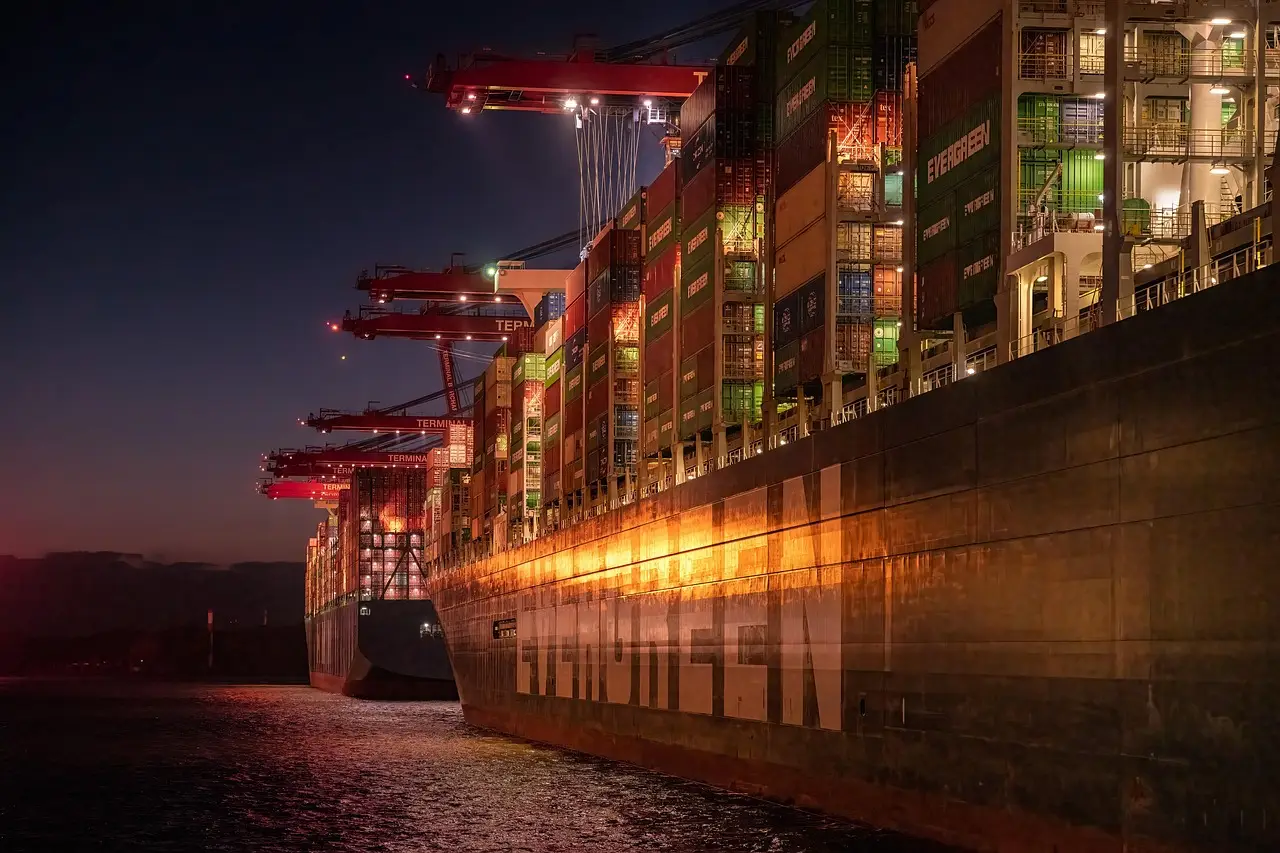
U.S. food and agricultural exports totaled $171.5 billion in 2025 against $211.9 billion in imports, leaving a trade deficit of $40.5 billion, according to a Congressional Research Service report on federal export programs now in play as Congress drafts a new farm bill.
Lawmakers could expand, modify or eliminate those programs, CRS said. The stakes are substantial for farm income and input-cost-pressed margins. Roughly 50% of U.S. agricultural exports in 2025 went to Mexico, Canada, the European Union and Japan.
How large is the current funding?
Mandatory funding for the Agricultural Trade Promotion and Facilitation (ATPF) program totals $255 million annually. That includes at least $200 million for the Market Access Program.
Separate export credit guarantee authorities provide $1 billion annually through fiscal 2026 and $5.5 billion annually without an expiration date. The 2018 farm bill authorized the export programs; H.R. 5371, enacted Nov. 12, 2025, extended that authorization through fiscal 2026.
The USDA under the Trump administration also funds promotion through the Commodity Credit Corporation (CCC) Charter Act. On Nov. 20, 2025, it announced $285 million for the America First Trade Promotion Program, which runs through fiscal 2028.
The takeaway: federal export promotion now rests on a $255 million mandatory base plus CCC money allocated by the administration.
What would the farm bills change?
Both chambers would roughly double ATPF funding.
- H.R. 7567, the Farm, Food, and National Security Act of 2026, sponsored by Rep. Glenn Thompson (R-PA), raises mandatory ATPF funding to $500 million in fiscal 2027. The House passed it April 30; the Senate received it May 19.
- S. 5526, sponsored by Sen. John Boozman (R-AR), raises funding to $515 million in fiscal 2027. It was placed on the Senate Legislative Calendar Sept. 24.
- Both bills lift annual ATPF funding to $533 million in subsequent years.
Both bills would repeal the supplemental CCC-funded trade promotion program created under the One Big Beautiful Bill Act, which is scheduled to deliver $285 million annually in mandatory CCC funding beginning in fiscal 2027, and fold support into existing programs instead.
The takeaway: the chambers agree on the destination — higher ATPF funding, no CCC supplemental — but differ on the first-year step-up.
Why does the deficit matter?
The U.S. agricultural trade surplus peaked at $40.1 billion in 2011. The country posted deficits in 2019 and every year from 2022 through 2025. CRS notes that many attribute rising agricultural imports to domestic demand for imported consumer-oriented goods.
The programs draw familiar fire. Critics argue they subsidize activities private companies could finance themselves. Supporters contend they keep U.S. agricultural products competitive internationally, diversify export markets and support farm income and employment. Some agricultural trade and producer groups have called for increased funding.
The takeaway: the debate is whether public money should buy market share that private capital will not.
What happens next?
Neither bill has been enacted. The future structure of federal agricultural export assistance remains unresolved, with the ATPF extension set against the CCC supplemental's scheduled fiscal 2027 start. Growers counting on either stream will not know their program funding until conferees settle the gap between $500 million and $515 million in the first year and $533 million after.
via legis1.com (Source)
More from Grace Kim
Show full bio
Correspondent covering people, launches and day-to-day practice in Agribusiness coverage for industry professionals at Agribusiness Wire.
559 articles
Also in the yard
- Mexico, Canada Bought $59.3 Billion in U.S. Farm Goods as USMCA Talks Open
- US Farm Exports Rise as Agricultural Trade Deficit Narrows
- USDA Unveils $500 Million Facility to Back Agricultural Exports
- USDA Lifts Regenerative Ag Pilot to $1 Billion for Fiscal 2027
- Finstad: $14.6B Crop Receipt Jump Not Enough as Input Costs Bite