Lot No. LOT-3638 · offered November 2, 2026
Agricultural PolicyLot sheet
EPA Kills 20-Year-Old Livestock Air Emissions Study; HPAI Returns to Dairy Herds
EPA scraps its 2005 AFO air emissions monitoring program after 20 years, citing outdated data, as HPAI reappears in dairy herds across four states and Canada trade talks resume.
Market notes
- EPA ended its 2005 voluntary air emissions monitoring program for animal feeding operations, calling the 20-year-old data insufficient for new requirements.
- Confirmed HPAI dairy cases stand at 128 in 2026, down from 171 in 2025 and 917 in 2024; Colorado logged its first detection since August 2024.
- Washington recorded 34 dairy HPAI cases in October; Texas three and Kansas one.
- Nearly 20% of U.S. milk was exported in 2025 — a near-record $9.5 billion to 143 countries, IDFA told USTR.
- U.S. levies on certain Canadian agriculture goods were dropped Oct. 23, but replaced with levies on other goods.
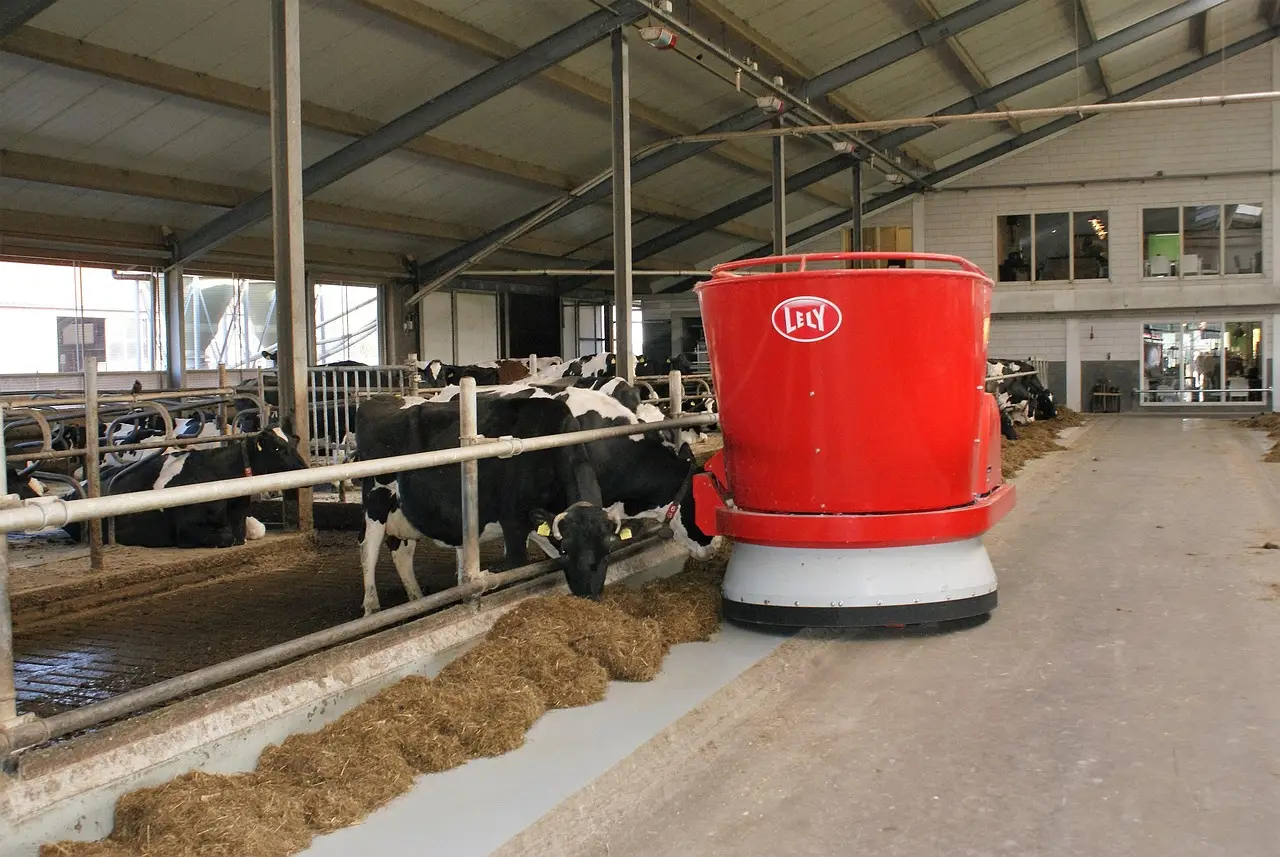
EPA has scrapped a 2005 voluntary program to measure air emissions from animal feeding operations, concluding that roughly 20-year-old data can't justify what the agency called "burdensome regulatory requirements." The decision, announced in an agency press release, ends more than two decades of regulatory uncertainty for hog, broiler, egg-layer and dairy operations that enrolled in the monitoring effort in good faith and waited ever since.
The agency said it would not develop emission estimates under the program, noting that over the intervening years "many participating farms have changed hands, closed, or modernized their barns and manure systems." Farmers raising hogs, broiler chickens, laying hens and dairy cows, EPA said, "have waited that entire time without knowing what new permitting or reporting obligations might follow once the methods were finalized."
Gregg Doud, president and CEO of the National Milk Producers Federation, framed the stakes plainly: "Dairy farmers signed up for this study in good faith two decades ago, and they've been waiting ever since to find out what it would mean for their farms. You can't measure a handful of farms years ago and use those numbers to set expectations for thousands of other farms. We appreciate EPA following the data and giving farmers a clear, final answer."
What does the decision change for livestock producers?
For now, it removes the threat of new permitting and reporting obligations built on stale measurements. Producers who modernized manure systems since 2005 won't face emission baselines drawn from a different era of facilities. Whether environmental groups challenge the withdrawal is the open question.
HPAI returns to dairy herds in four states
Highly pathogenic avian influenza is back in dairy cattle. Colorado's Agriculture Department announced Friday the state's first dairy herd detection since August 2024. Washington logged 34 dairy cases in October, Texas three and Kansas one, according to Agriculture Department data.
The trend line still favors producers. Confirmed dairy cases total 128 in 2026, down from 171 in 2025 and 917 in 2024.
Senate control up for grabs on Election Day
With less than 24 hours until Election Day, control of the Senate hangs in the balance. Sen. Tim Scott, R-S.C., chair of the National Republican Senatorial Committee, told NBC's "Meet the Press": "We will hold the majority in the Senate. We are in a great position to do so. We have also been gifted the most radical, dangerous, weird group of Senate candidates we've seen on the Democrat side, frankly, in my lifetime."
Democratic Illinois Gov. JB Pritzker countered on the same program: "We're seeing an overperformance of Latino voters, overperformance of young voters, of Black voters. This is good for Democrats."
President Donald Trump campaigned Sunday in Iowa and Kansas as Republicans scramble to shore up two typically red states. Agriculture Secretary Brooke Rollins joins Kansas GOP Sen. Roger Marshall in El Dorado, Kansas, on Monday to discuss farm and ranch issues, USDA said.
Larry Sabato's Crystal Ball at the University of Virginia says GOP Senate candidates are "running ahead of Donald Trump's approval rating" — but cautions that "the sheer number of strong disapprovers could block them from winning." In the House, Rep. Jamie Raskin, D-Md., predicted Democrats will "score major breakthroughs in rural areas" and at least triple the GOP's three-vote margin.
U.S.-Canada trade talks restart
Canadian Prime Minister Mark Carney said Sunday he had a "good conversation" with Trump about future U.S.-Canada trade. "This builds on our recent constructive discussions on the outlines of a mutually beneficial trade deal that would create jobs for our workers, boost affordability for families, and fully respect Canada's languages, culture, and sovereignty," Carney said. "Our teams will now be working in the coming weeks to deliver that outcome."
Talks imploded in late August. Trump has de-escalated ahead of Tuesday's election; on Oct. 23 the administration dropped levies on certain agriculture-critical Canadian goods to aid Republican Sen. Susan Collins' reelection bid. Levies on newly exempt goods were quickly replaced with others, signaling the trade war isn't over. A White House official told Agri-Pulse the administration "welcomes continued engagement with Canada as we work toward finalizing the details of a deal that will deliver meaningful results for the American people."
IDFA presses USTR on Canadian dairy barriers
The International Dairy Foods Association told the Office of the U.S. Trade Representative that Canada's milk class pricing policies and tariff-rate quota administration should top the agenda in Canada negotiations and the ongoing USMCA review. "Canada's administration of its dairy TRQs have prevented full utilization of the [quotas], depriving U.S. producers of the market access negotiated under USMCA," the comments say. IDFA alleges Canada's pricing enables exports of high volumes of "subsidized proteins" despite USMCA commitments.
Exports carry real weight: nearly 20% of U.S. milk was exported in 2025, with a near-record $9.5 billion in dairy products shipped to 143 countries. "To maintain global competitiveness IDFA members rely heavily on open markets, rules-based trading conditions, and fair opportunities for U.S. dairy products," the group said.
Final word
"These fake meat people, the vegans from California, I guess they want us to go back to being hunters and gatherers only. They clearly don't understand that food doesn't come from the grocery store. It comes from the farm. … The fake meat people are funding my opponent's campaign." — GOP Iowa Senate nominee Rep. Ashley Hinson.
"No idea if it helps or hurts. It's good that he comes out here and sees what policies like cuts to healthcare, Medicaid, food assistance, the tariffs, the war in Iran, what it's done, because it's hurt Iowa." — Democratic Iowa Senate nominee Josh Turek, on Trump's Sunday visit.
Tuesday's results, and whatever U.S.-Canada deal emerges in the coming weeks, will set the policy terrain for livestock regulation and dairy trade heading into the new Congress.
via x.com (Original)
More from Nathan Brooks
Show full bio
Staff writer covering regulation, policy and their impact on Agribusiness coverage for industry professionals at Agribusiness Wire.
524 articles
Also in the yard
- USDA Report Examines the Economics of Precision Dairy Farming
- Farm Bureau: Next Farm Bill Must Reflect Farmers' 2026 Challenges
- Farm Bill Timeline, Trump-Xi Talks and Dairy Outlook on Agri-Pulse Newsmakers
- HEAL Report Brands Precision Agriculture a 'Distraction' From Food System Reform
- Farm Bureau Pushes for Senate Action on Farm Bill