Lot No. LOT-4942 · offered November 11, 2026
Agricultural PolicyLot sheet
Easement-Protected Ranches Count Toward California's 30x30 Goal
Outgoing California Natural Resources Secretary Wade Crowfoot says easement-protected farms and ranches are key to conserving 30% of state lands and coastal waters by 2030 under Newsom's 2020 order.
Market notes
- California aims to conserve 30% of lands and coastal waters by 2030 under a 2020 Newsom executive order
- Nearly half of California land is federally owned; much open space is privately held working landscape
- Easements must be legally recorded and include a biodiversity management plan to count toward the goal
- California has nearly 100 resource conservation districts, part of 3,000-plus nationwide, dating to the 1930s Dust Bowl
- Crowfoot speaks at the CARCD conference in Sacramento, Nov. 17-19
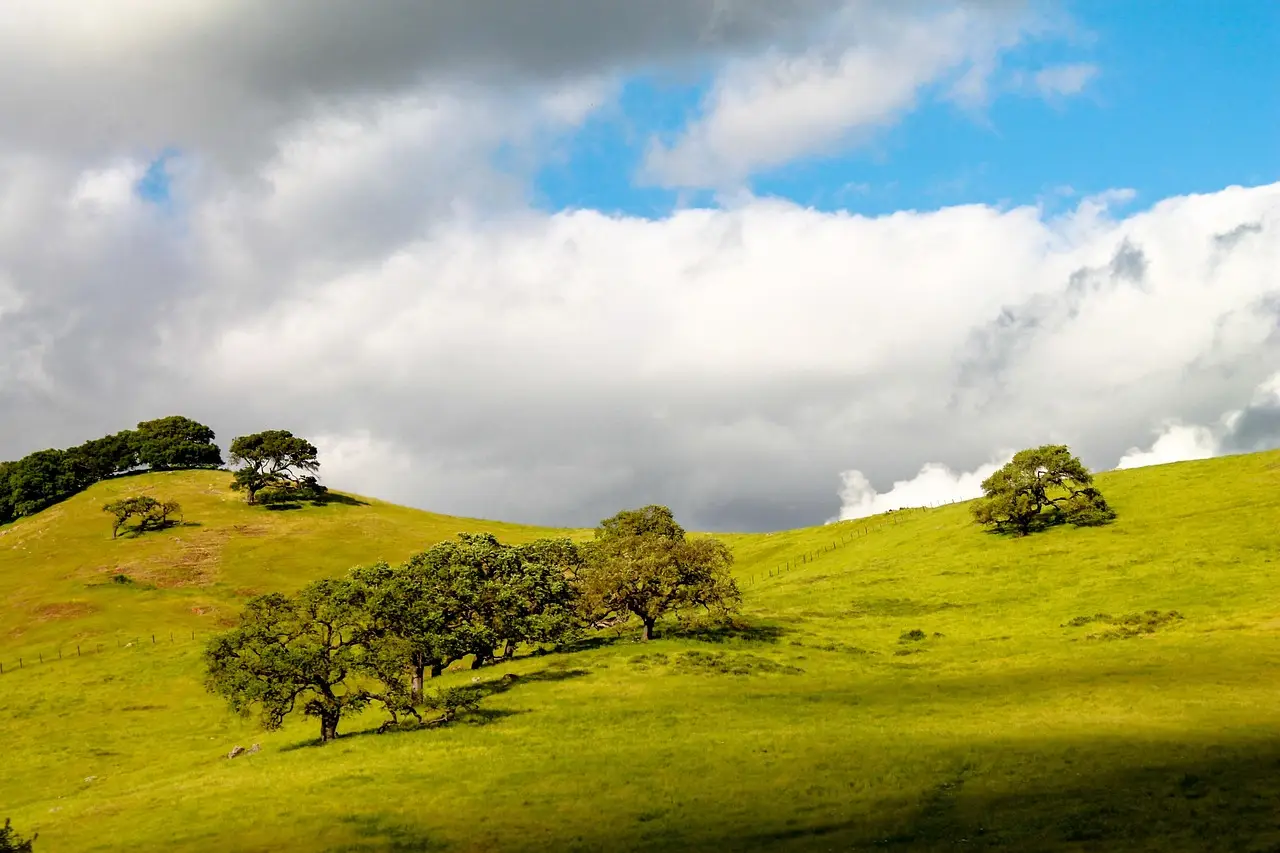
California must conserve 30% of its lands and coastal waters by 2030, and outgoing state Natural Resources Secretary Wade Crowfoot says farms and ranches under conservation easements are a central piece of hitting that number.
Crowfoot helped develop the state's 30x30 plan, which Gov. Gavin Newsom implemented through executive order in 2020. The effort belongs to a larger global movement spanning more than 190 countries aimed at combating biodiversity loss.
Speaking on the California Rangeland Trust's "Tuned In to the Land" podcast, Crowfoot framed the arithmetic plainly. The federal government owns and operates nearly half of all land in California, but much of the state's remaining open space sits in privately owned working landscapes. That makes private ranchland decisive for the 2030 target.
What qualifies a ranch for 30x30?
Not every operation makes the cut. "Not every ranching operation counts for 30x30," Crowfoot told Rangeland Trust CEO Michael Delbar. The designation fits if "a farmer or rancher chooses to have a conservation easement on the land."
The bar is specific. To count toward the 30% goal, an easement must be legally recorded and carry a biodiversity management plan protecting species and habitat. A conservation easement is a voluntary, legally binding agreement between a landowner and a qualified organization — a land trust or a resource conservation district — that permanently limits development. The landowner receives financial or tax benefits and keeps ownership.
Many working lands, including cattle ranches, use RCD partnerships to build these easements. The structure lets the owner keep ranching while still meeting the biodiversity standards.
"I'm glad that we have a pathway for working lands to be part of 30x30," Crowfoot said. "30x30 can be most successful if we utilize all sorts of landscapes, and grasslands are really important."
Why grazing counts as conservation
Crowfoot drew on a site visit to make the case that cattle belong in the conservation ledger, not outside it. California's open space ranges from redwood forests and desert to coastal areas and oak woodlands, he said, and "each is really important." Grasslands, specifically, provide habitat for species that exist nowhere else.
"I took a team north of Sacramento to an ecological preserve north of Oroville, and a lot of our team was surprised to see cattle grazing on the land," Crowfoot said. "Actually, grazing is necessary. Grazing keeps those invasive plants down and allows native plants to grow. … Getting ungulates' hooves on grassland is really important."
Nearly 100 districts doing the groundwork
Resource conservation districts are the local machinery behind the easements. California has nearly 100 of them, part of a nationwide network of more than 3,000 conservation districts. They are local, nonregulatory special districts that work with private and public landowners on a voluntary, incentive-based basis to conserve soil, water and wildlife habitat.
The model dates to the Dust Bowl. Founded in the 1930s, RCDs act as neutral bridges connecting local communities with state, federal and private resources, according to the state Department of Conservation. Their tasks include technical and financial assistance to farmers, ranchers and small forest landowners for building sustainable practices, managing irrigation and reducing wildfire risks.
RCDs participate extensively in the 30x30 initiative. Voluntary conservation easements are one of the core pathways they use to advance the 2030 goal.
What happens next week
Crowfoot will appear as a featured guest at the California Association of Resource Conservation Districts conference in Sacramento, running Nov. 17-19. The event brings together people doing on-the-ground conservation across the state — RCD employees and directors, agency representatives and supporting organizations. Agri-Pulse is an exhibitor and will lead the Nov. 18 plenary session, which will include Crowfoot.
With the outgoing secretary set to detail the working-lands pathway directly to the districts administering it, ranchers weighing an easement should watch whether the state tightens or loosens the biodiversity-management requirement that decides whose acres count.
via resources.ca.gov (Original)
More from Nathan Brooks
Show full bio
Staff writer covering regulation, policy and their impact on Agribusiness coverage for industry professionals at Agribusiness Wire.
550 articles
Also in the yard
- USDA Puts $5 Million Into Wetland Restoration on Farm Easements
- US Executive Order Pushes Regenerative and Precision Agriculture
- Farm Bill Lapse Halts New Conservation Reserve Program Enrollments
- Senate Farm Bill 2.0 Clears Committee With Prop 12 Unresolved
- $10M Great Plains Grassland Fund Targets 400,000 Acres for Ranchers