Lot No. LOT-1465 · offered September 28, 2026
Farm MachineryLot sheet
DPA Auctions Taps 50 Years of Sales Data to Sharpen Equipment Valuations
DPA Auctions is mining 50 years of its own transaction records to sharpen used farm equipment valuations, aiming to give growers, dealers and lenders tighter price benchmarks.
Market notes
- DPA Auctions is applying 50 years of accumulated sales data to improve farm equipment valuations.
- The company's approach relies on actual auction transaction results rather than guidebook estimates alone.
- The initiative targets more precise price discovery for sellers, buyers and lenders in the used machinery market.
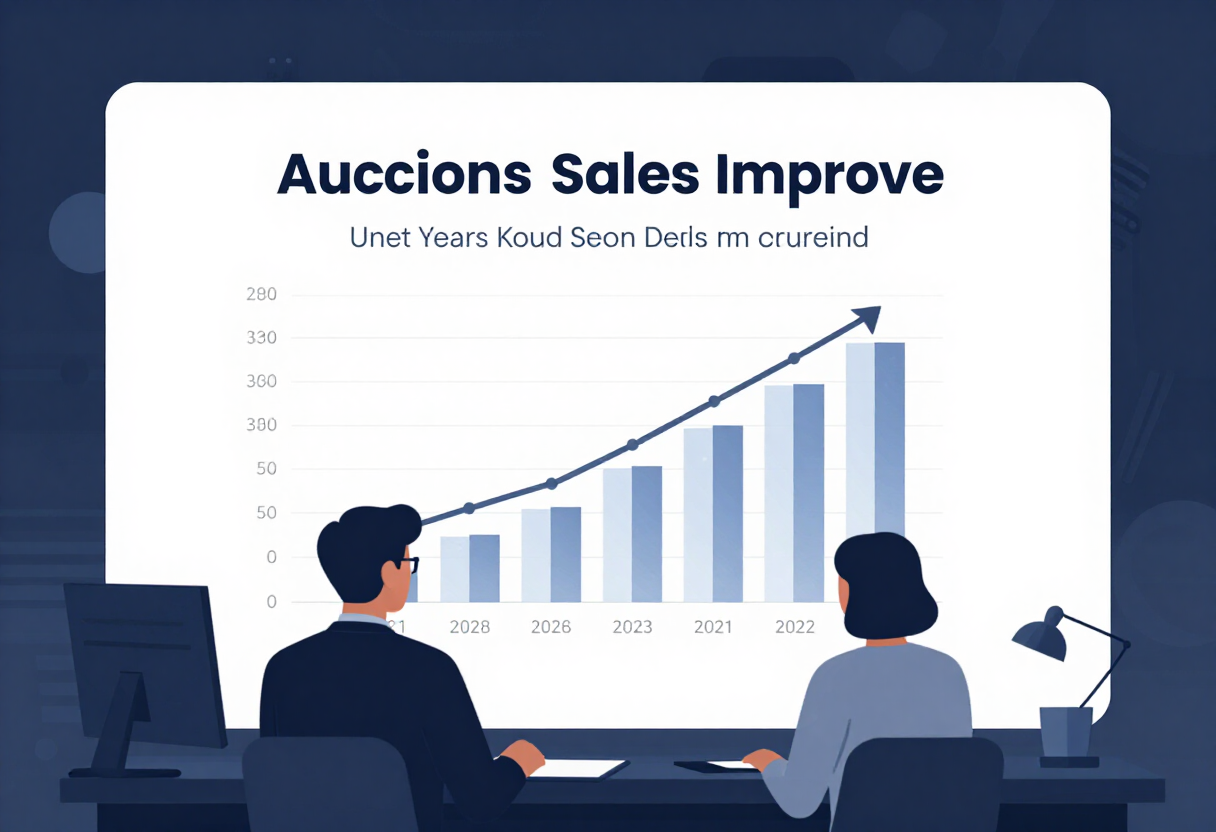
DPA Auctions is putting five decades of accumulated sales records to work in an effort to improve how used farm equipment gets valued, the auction company announced in coverage carried by RFD-TV.
The initiative draws on roughly 50 years of transaction data the firm has compiled across its auction history. By mining that archive, DPA Auctions says it can give sellers, buyers and lenders a more precise read on what tractors, combines and implements actually fetch at the hammer — a question that has grown more pressing as used equipment prices swung sharply over the past several seasons.
For growers, valuation accuracy feeds directly into balance-sheet decisions. Dealers and lenders typically mark machinery collateral against auction comps, so a stale or thin dataset can distort loan-to-value ratios, insurance settlements and trade-in allowances. Better benchmarks can narrow the gap between a farmer's book value and the cash a machine brings at sale, which matters most in a margin environment where input costs remain elevated and replacement machinery carries premium pricing.
The company's approach treats its own auction results as the reference layer rather than relying solely on guidebook estimates, which often lag fast-moving markets. Auction results represent actual, dated transactions with named bidders and settlement terms, giving them a claim to being harvested data rather than forecast. That distinction is central: condition reports and listing prices describe intent, while hammer prices describe outcomes, and the two can diverge widely in a thin market for late-model used units.
The announcement arrives as the used-equipment market works through the aftermath of supply-chain-driven scarcity, when low machine availability pushed used values to records and new-model deliveries stretched out over months. As dealer inventories rebuild and interest costs stay high, both sellers and buyers face sharper price discovery risk — precisely the gap a long transaction record is positioned to close.
The move also aligns with broader digitization across agricultural asset markets, where grid-level yield data, satellite imagery and now machinery transaction archives are being converted into decision tools. DPA Auctions is effectively wagering that its historical sales ledger can function the same way soil-test history does for fertility planning: as a longitudinal baseline against which current offers can be tested.
Questions remain about methodology — how the firm normalizes for equipment condition, hours, region and sale format across five decades of records, and how frequently the database refreshes. Buyers and lenders applying the valuations will want transparency on those parameters before treating the figures as market standards rather than one firm's internal reference.
DPA Auctions indicated it will continue building out the valuation platform as additional sales results come in, positioning the archive to become more granular with each auction cycle.
via Google News: Farm equipment (Source)
More from Olivia Hart
Show full bio
News editor covering media and advertising at Agribusiness Wire.
138 articles