Lot No. LOT-3107 · offered November 7, 2026
Agricultural PolicyLot sheet
Democratic majorities reopen farm bill path; SNAP remains uncertain
Democratic majorities in both chambers could revive a farm bill, with a possible two-year SNAP delay emerging as the key compromise. Duane Simpson sees progress, but not certainty.
Market notes
- Democrats now hold majorities in both the Senate and Congress.
- A two-year SNAP benefits delay is described as a conditional compromise, not enacted policy.
- Duane Simpson, president of the National Council of Farmer Cooperatives, believes some work will get done on the farm bill.
- The lame-duck session leaves the timing and completion of a farm bill uncertain.
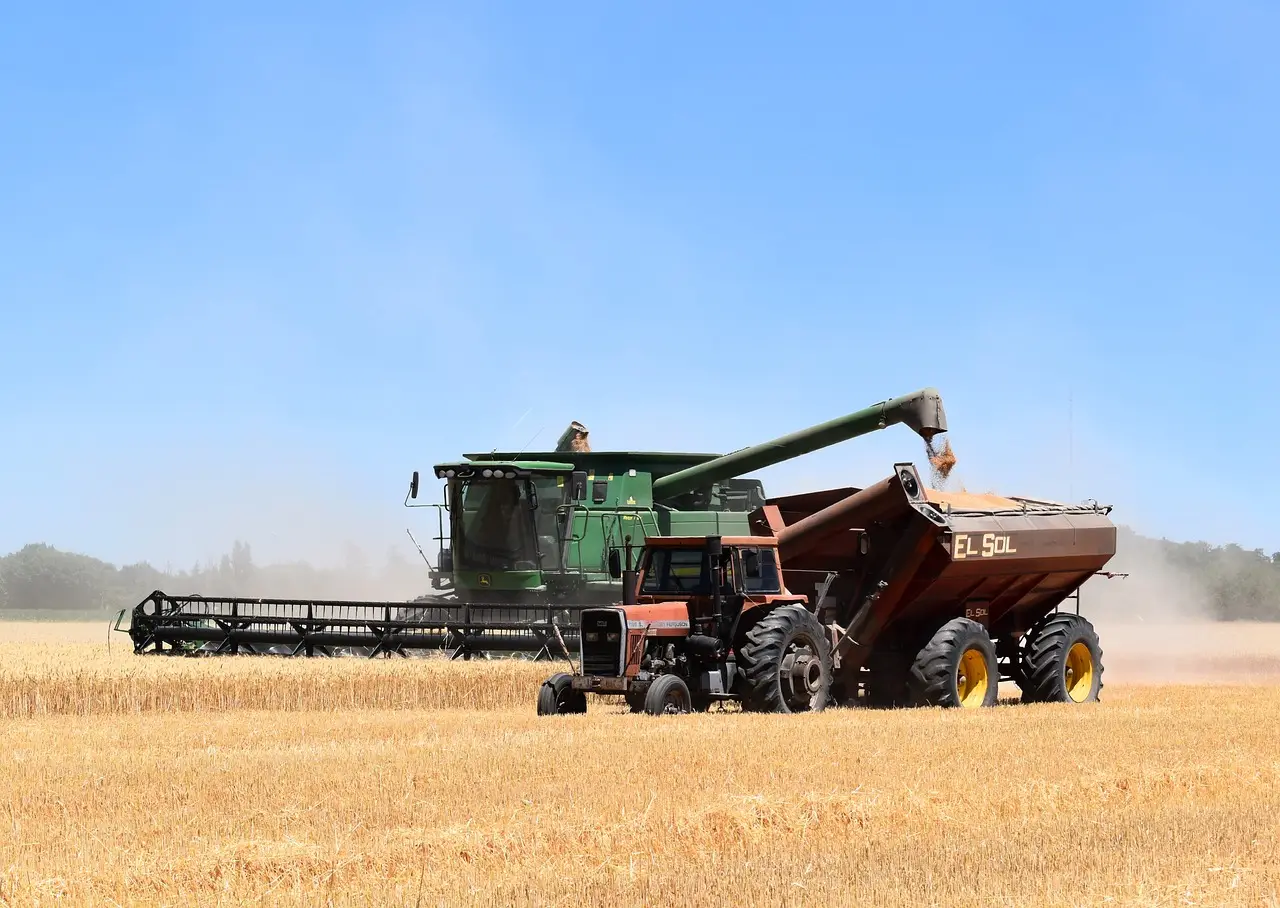
Democrats now hold a double majority in the Senate and Congress, a shift that could improve the prospects for a new farm bill. Duane Simpson, president of the National Council of Farmer Cooperatives, sees some chance of legislative action, even as the report treats quick completion as uncertain. The session is now officially a lame-duck session.
Simpson said he believes “some work will get done to finish the farm bill.” His view follows the change in party control. It does not guarantee passage, a final vote or a timetable. The report points readers to ncfc.org for more information.
Does a two-year SNAP delay unlock the bill?
The report identifies a two-year delay for SNAP benefits as the most plausible concession. With Democrats holding majorities in both chambers, Republicans likely would have no choice but to allow that delay if they want a farm bill completed soon.
That is a conditional path, not a completed agreement. The two-year figure is a forecast of compromise, not an enacted schedule. No start date appears. The report also omits the funding amount and legislative vehicle.
Simpson cautioned that the arithmetic does not remove SNAP as a potential roadblock. The issue could still block the bill.
SNAP therefore remains a bargaining condition in the farm bill debate. It is not a settled outcome. Any claim that benefits will be delayed for two years runs ahead of the evidence presented.
What does the majority change?
Control of both chambers changes who must negotiate. It also changes where compromise becomes necessary. For farmer cooperatives, the immediate signal concerns process. It does not promise a new payment rate. Nor does it predict better margins.
The political opening could matter more to a farmer cooperative than a short-term market move if it lets negotiators finish the bill, because a completed text would make spending and producer terms available for review.
Cooperative boards cannot yet measure exposure from the report alone. The report’s missing farm data include:
- crop-condition reports and harvested yield results;
- planted acreage estimates;
- input-cost and commodity-basis comparisons;
- farm-margin estimates; and
- survey methodology or reporting windows for producer data.
Those omissions limit the analysis. A bill can move without delivering an immediate gain. Nor does the report show which producers would gain or lose.
What does this change for farm cooperatives?
The practical answer is limited but useful. Cooperatives now have a stronger procedural case for expecting renewed work. They do not have a guarantee for their members.
The final text would determine exposure through program terms, spending allocations and eligibility rules, and the report provides none of those figures, so the likely legislative effect on producer income and operating risk cannot yet be quantified.
Any assessment would have to place proposed program terms beside input costs, commodity basis and net margins. The report does not provide that comparison.
The absence of agronomic data matters as much. The report offers no acreage estimate or yield result. It includes no forecast tied to reporting windows.
No individual growers, input suppliers or state-level effects appear in the report’s discussion. Nor can its political claims be checked against official legislative records or grower survey data.
Without those checks, the report supports only a narrow conclusion. Congress may reopen the route to a bill. The consequences for planting decisions, operating costs and net returns remain unmeasured.
What must readers verify?\n
Readers need four records before treating the compromise as effective:
- final vote totals;
- updated farm bill text;
- a stated SNAP delay schedule; and
- a farm spending estimate.
Those records would separate process from policy. They would also separate a forecast from a result.
Simpson described a belief that work will be done. He did not describe completed work. Nor did he claim Congress had adopted a two-year delay.
Any broader account for growers should wait. Those records would show whether the political opening becomes a finished bill and whether its spending produces measurable changes in producer costs, market basis and farm margins.
The lame-duck session leaves a conditional path forward. If Democrats use their majorities to secure the two-year SNAP delay, Congress may still move the farm bill. Nothing in the report makes that outcome settled.
via Google News: Farm bill and ag policy (Source)
More from Marcus Bennett
Show full bio
Senior reporter covering regulation, policy and their impact on Agribusiness coverage for industry professionals at Agribusiness Wire.
443 articles
Also in the yard
- CBO Puts Senate Farm Bill Price Tag at $5.2 Billion in State Savings
- SNAP Cost-Share Fight Leaves Farm Bill Three Weeks From Deadline
- Senate Ag Panel Advances Farm Bill 12-11; House Out Until Post-Midterms
- SNAP Cost-Share Fight Gates Lame-Duck Farm Bill Push
- Senate Ag Committee Advances Farm Bill 2.0 in 12-11 Party-Line Vote