Lot No. LOT-1530 · offered October 1, 2026
Commodity MarketsLot sheet
Counterseasonal Price Pattern Raises 2026 Marketing Questions
Successful Farming flags a counterseasonal price pattern for 2026, warning growers that usual seasonal timing of grain sales may not hold this marketing year.
Market notes
- Successful Farming published an analysis titled "The Counterseasonal Price Pattern of 2026" examining price movement that runs against typical seasonal grain market behavior.
- A counterseasonal pattern means prices may rally or weaken at times opposite the historical calendar, affecting storage, hedging and cash marketing decisions.
- Growers should verify the pattern against USDA stocks, WASDE and export data as the 2026 marketing year unfolds.
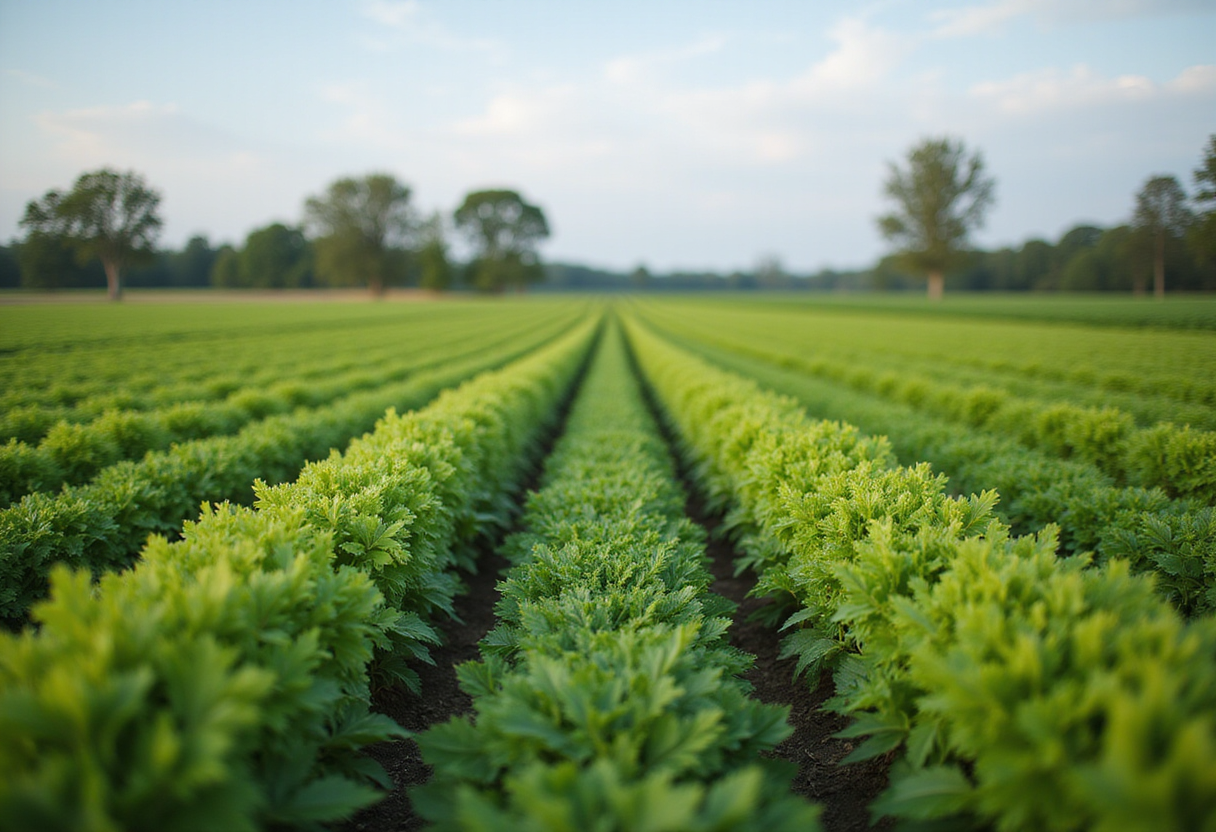
Marketers tracking the 2026 crop year face a price pattern running against the seasonal grain trade's usual calendar, according to an analysis published under the headline "The Counterseasonal Price Pattern of 2026" by Successful Farming.
The headline alone signals the core issue for growers: prices in 2026 are moving in a direction opposite to the tendencies grain marketers typically build their plans around. In a normal year, corn and soybean futures follow a well-documented seasonal rhythm — strength during spring planting uncertainty and summer weather scares, weakness around harvest when supplies peak. A counterseasonal pattern breaks that rhythm, and the timing of sales matters more than usual when it does.
For producers, the practical stakes are straightforward. Storage decisions, cash marketing schedules and hedging programs are all typically anchored to expected seasonal highs and lows. When prices move counter to those expectations, farmers who sold according to the standard calendar can miss rallies that arrive at unusual times, or hold grain into weakness that historically would have been strength.
What the analysis covers
The Successful Farming piece examines how this inverted pattern is expected to play out across the 2026 marketing year. Coverage of this kind generally addresses the drivers behind a counterseasonal move — factors such as unusually large or small carryout stocks, demand shifts from exporters or processors, weather disruptions outside the normal window, or macro pressure on the broader commodity sector.
For row-crop growers, the implication of any counterseasonal pattern is that historical odds on price timing carry less weight. The usual advice to watch for post-harvest recovery or summer weather premiums requires reassessment when the market's structure points the other way. Basis behavior at local elevators, too, can diverge from its normal seasonal path when futures do, affecting net cash prices even for farmers who have priced grain ahead.
Why timing matters in 2026
A counterseasonal pattern matters most for growers deciding between storing 2025-crop grain into the new year and pricing 2026 production ahead of planting. In a typical cycle, storage pays when the market rewards later delivery through a carry structure. When prices decline into periods that historically show strength — or rally when the calendar says they should weaken — those storage and forward-pricing calculations have to be redone from current data rather than seasonal averages.
Input buyers face a parallel question. Fertilizer and fuel suppliers often adjust prices along grain market expectations. A price pattern that defies the norm can shift the farm margin equation on both the revenue and cost sides, which is why marketing advisers urge growers to recheck budgets rather than assume last year's margins will repeat.
Checking the numbers
As with any seasonal-price analysis, growers should weigh the underlying data carefully. Seasonal price patterns are built from historical averages across many years, and individual years routinely deviate from the mean. A forecast of counterseasonal movement is a probability statement, not a certainty, and it should be checked against current supply-demand reports, export sales data and stocks figures as the season unfolds.
USDA reports — quarterly stocks, monthly World Agricultural Supply and Demand Estimates, and weekly export inspections — will test whether the counterseasonal thesis holds as 2026 progresses. Condition reports and survey-based forecasts likewise need to stay separate from actual harvested results when judging whether the pattern is playing out as described.
Successful Farming's analysis is positioned as guidance for the 2026 marketing year rather than a verdict on any single crop. Growers and their advisers will want to read the full piece for the specific markets, months and price levels it identifies before adjusting sale schedules.
via Google News: Grain prices (Source)
More from Grace Kim
Show full bio
Correspondent covering industry trends and analytics at Agribusiness Wire.
163 articles