Lot No. LOT-9753 · offered October 12, 2026
Seeds, Crop Protection & FertilizerLot sheet
Continuous Nutrition Management: Efficiency Gains Come With Strings
CropLife says matching nutrient delivery to crop needs improves efficiency — if growers sustain consistent management, automation and timely adjustments. No trial data offered.
Market notes
- CropLife report argues nutrient delivery matched to crop needs can improve efficiency
- Success requires three conditions: consistent management, automation, timely adjustments
- Report provides no trial data, yield figures or cost estimates to support the claim
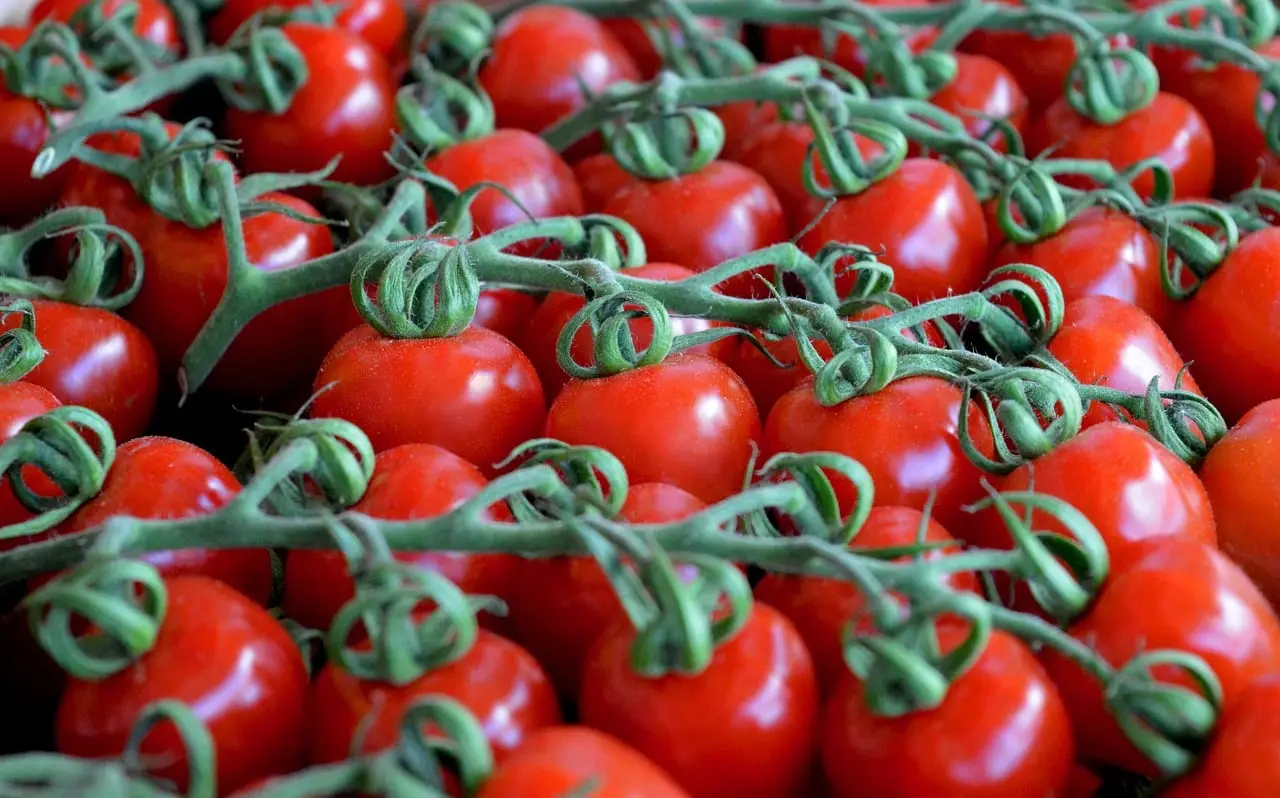
Matching nutrient delivery to a crop's changing needs can improve efficiency — but only when growers sustain consistent management, automation, and timely adjustments, according to a CropLife report on continuous nutrition management.
The report, published on CropLife's crop inputs channel, makes a measured claim rather than a breakthrough promise. Its core argument: fertilizer programs that track crop demand as it shifts through the season can raise nutrient use efficiency, provided three conditions hold — steady management, automated delivery systems, and the discipline to adjust on time.
What does the approach promise?
The promise is efficiency. Instead of applying nutrients on a fixed schedule, growers align delivery with the crop's actual uptake curve. In theory, that means less nutrient waste and better alignment between input spend and yield response — a direct margin question for operators facing volatile fertilizer prices.
The report does not attach a percentage figure to the efficiency gain. That absence matters. Claims of improved nutrient-use efficiency are common in the input sector, and without trial data, survey methodology, or reporting windows behind them, they remain assertions rather than measured results.
What does success depend on?
CropLife names three dependencies:
- Consistent management — the program works only if someone runs it the same way, week after week.
- Automation — delivery systems must respond without manual bottlenecks.
- Timely adjustments — late corrections erase the gains.
Each dependency is an operational cost. Automation in particular means capital outlay before any efficiency is captured, and the report is silent on payback periods or which crop systems justify the investment.
What is not said?
The report offers no acreage figures, no yield comparisons, no input-cost deltas, and no named growers, cooperatives, or trials. It describes a management philosophy, not a harvested result. Readers should treat it as a condition report on an approach, not as evidence of outcome.
For growers weighing the shift, the practical test is whether their operation can hold all three conditions — consistency, automation, timing — across a full season before counting any efficiency gain as bankable.
By Olivia Hart
via almonds.org (Original)
More from Olivia Hart
Show full bio
News editor covering technology and product news in Agribusiness coverage for industry professionals at Agribusiness Wire.
485 articles
Also in the yard
- Fine-Tuned Fertilizer Use Offers Corn Growers a Path to Lower Input Bills
- DTN Survey: Precision Tools and Fertilizer Cuts Anchor Farm Margins
- Precision Data Aims to Link Soil Health Metrics to Crop Budgets
- High Fertilizer Prices Put Fertilizer Application Rates Back on the Table
- Precision Agriculture Tools Emerge as Answer to Fertilizer Shortages