Lot No. LOT-1017 · offered November 16, 2026
Commodity MarketsLot sheet
Cocoa at $12,000 a Ton Pushed Startups Into the Bioreactor
Cocoa topped $12,000 a ton in 2024 and candy prices are up 44% since 2021. Now nearly a dozen startups are growing cocoa in bioreactors.
Market notes
- Cocoa prices topped $12,000 a metric ton in 2024, versus $2,000–$3,000 in the prior decade, and have settled near $5,000–$6,000.
- Candy prices are up 44% since 2021, per Bureau of Labor Statistics data.
- Celleste targets 1,000-liter bioreactors yielding a metric ton of cocoa a year, output normally requiring about 5 acres of trees.
- Voyage Foods' Ohio factory can produce 10,000 metric tons a year of grapeseed-based cocoa alternative, with Cargill as investor and distributor.
- California Cultured and Celleste both aim for market entry or U.S. regulatory approval by 2028.
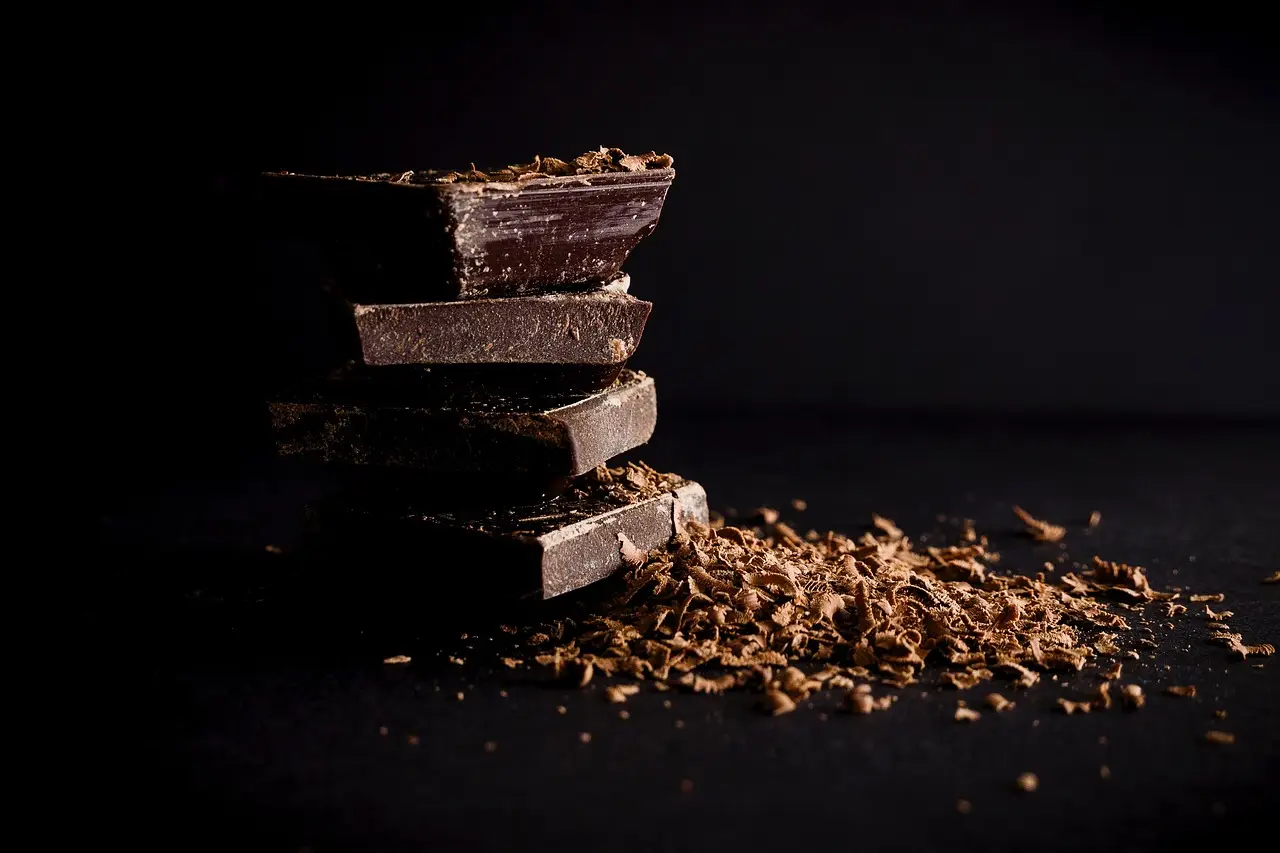
Cocoa futures peaked above $12,000 a metric ton in 2024, six times the $2,000-to-$3,000 band that held through the prior decade, and a wave of startups now believes the answer sits in a bioreactor rather than on a tree. Christopher Mims, reporting for The Wall Street Journal, counts close to a dozen companies across the U.S., Europe, Israel and Asia developing lab-grown cocoa or chocolate-flavored substitutes.
Prices have since settled near $5,000 to $6,000 a ton. The damage downstream is already on the shelf: Bureau of Labor Statistics data show candy prices up 44% since 2021.
The trigger was agronomic and economic at once. Drought, flooding and grinding poverty among subsistence growers squeezed supply from West Africa's smallholders. The startups chasing a fix argue that cell culture can sidestep weather, disease and labor conditions entirely.
Can a bioreactor replace five acres of trees?
Celleste, one of the leaders, borrows the pharmaceutical industry's method for growing insulin and vaccines in cell culture. It produces bioidentical cocoa butter, and Mondelez has already used that output to make experimental chocolate bars. The company targets 1,000-liter bioreactors, each yielding a metric ton of cocoa a year — volume that normally requires roughly five acres of trees.
Cost remains the central problem. Steven Lang, vice president of science and technology at competitor California Cultured, says expenses must fall by a factor of 10 or more before the math works. He favors cheaper food-grade systems over pharma-grade hardware. California Cultured also wants cocoa cells high in flavanols and free of the heavy metals sometimes found in dark chocolate, and it has set 2028 as its market-entry target. Celleste hopes to secure U.S. regulatory approval by that same year.
What is already on the market?
Cocoa-free substitutes have moved faster than cultured cocoa. Voyage Foods converts leftover winemaking grapeseeds into a cocoa alternative at a new Ohio factory with capacity of 10,000 metric tons a year. Cargill holds positions as both investor and distributor. The Wall Street Journal's tasting found the product works better in cakes than as a solid bar.
The sector's advocates are candid about the sensory bar. "I would challenge consumers to tell the difference," said Raphaël Felenbok, who advises some of the biggest candy makers and sits on the board of a chocolate-substitute startup. Voyage CEO Adam Maxwell insists the goal is not deception: "For me, it was always about, how can we have these beloved foods for everyone, forever."
What does this change for confectioners and the growers who supply them? In the near term, little — cultured cocoa is years from scale, and the cost curve must drop tenfold first. But with Cargill already distributing a grape-derived substitute and Mondelez testing bioidentical butter, the majors are hedging against a supply base that has proven fragile. If 2028 targets hold, buyers will have a second sourcing channel, and cocoa growers will face their first genuine substitute at industrial scale.
via geneticliteracyproject.org (Source)
More from Marcus Bennett
Show full bio
Senior reporter covering regulation, policy and their impact on Agribusiness coverage for industry professionals at Agribusiness Wire.
476 articles
Also in the yard
- Ag Biologicals at a Crossroads: Four Futures, Two Uncertainties
- Applied Carbon Lands $72M for Biochar as Just Climate Closes $540M Ag Fund
- Brazil Clears GM Microorganisms for Crop Protection Production
- Cocoa Futures Slide Over 10% in a Week as Supply Pressure Builds
- Biological R&D Spending Rises 43% Across Five Crop Leaders