Lot No. LOT-8640 · offered September 26, 2026
Trade & ExportsLot sheet
China, Vietnam Move to Expand Agricultural Trade and Logistics Links
China and Vietnam are deepening agricultural trade and logistics ties, with fresh produce flows and border-corridor capacity at the center of the bilateral push, FreshPlaza reports.
Market notes
- China and Vietnam are expanding agricultural trade and logistics ties, FreshPlaza reports.
- Vietnam is a major supplier of dragon fruit, durian, watermelon and bananas to China; Chinese fruit moves back through Guangxi border gates.
- The headline-level report did not include specific volumes, port investments or protocol changes; follow-up customs and agriculture ministry announcements are expected.
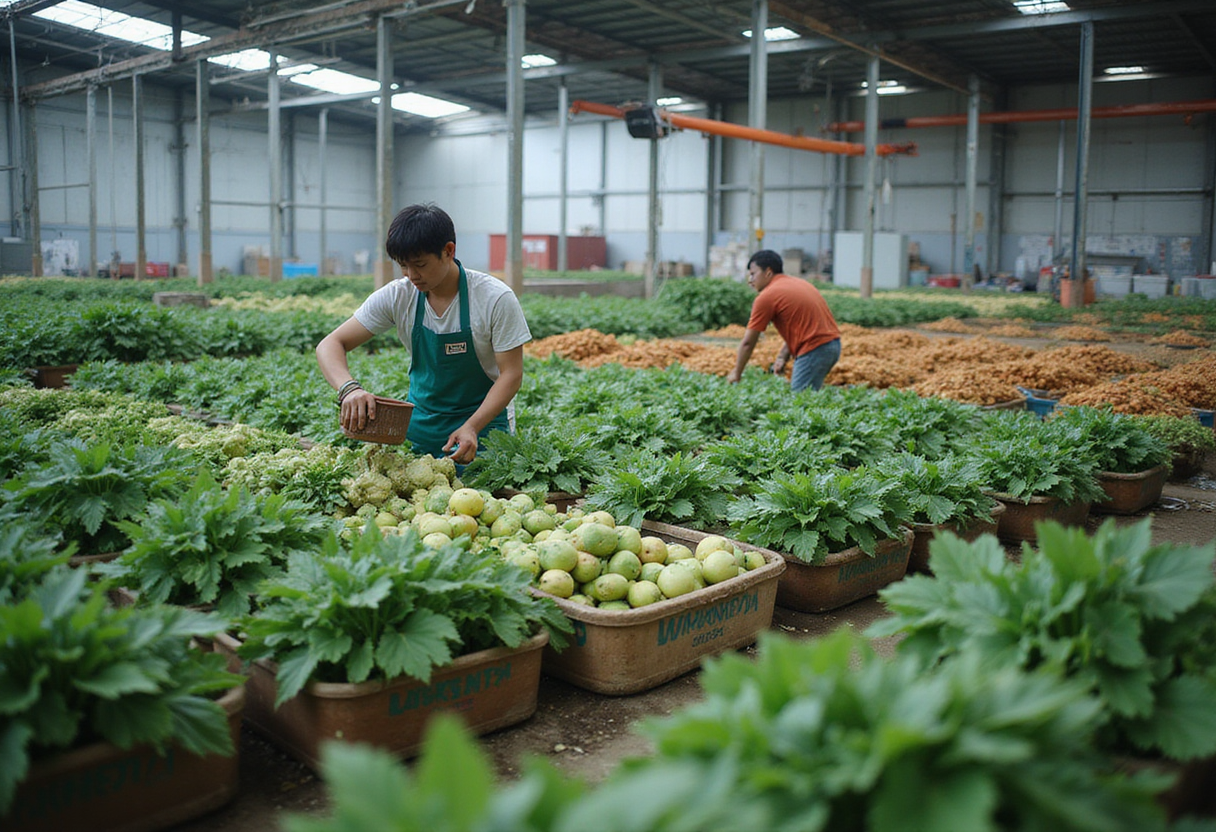
China and Vietnam are expanding agricultural trade and logistics ties, according to a report carried by FreshPlaza. The development signals continued integration between the two neighbors, whose shared 1,300-plus-kilometer border already makes Vietnam a key corridor for Chinese fruit, vegetable and nut imports and a growing outbound channel for Vietnamese produce.
The report, currently available in headline form through the aggregator, points to fresh-produce trade as the centerpiece of the initiative. Vietnam has in recent years ranked among the leading suppliers of dragon fruit, durian, watermelon and bananas to the Chinese market, while Chinese apples, pears, citrus and onions move in the opposite direction through border gates such as Pingxiang and Dongxing in Guangxi.
Logistics capacity sits at the center of the relationship. Cold-chain infrastructure, cross-border rail links and customs clearance times at land ports directly determine shelf life and, by extension, the prices Vietnamese growers and Chinese importers can capture. Any expansion of these ties that shortens border dwell time or widens phytosanitary access would affect basis at southern Chinese wholesale markets and, ultimately, farm-gate returns in Vietnam's Mekong Delta and Central Highlands growing regions.
For agribusiness readers, the significance is twofold. First, China remains the dominant export destination for Vietnamese horticulture, so bilateral facilitation measures translate quickly into volume shifts. Second, Chinese demand for tropical fruit has become a benchmark price-setter for regional exporters, meaning smoother Vietnam–China logistics can ripple into competing suppliers across Southeast Asia.
Detailed figures — including specific port investments, tariff or protocol changes, and volume commitments — were not included in the headline-level report now circulating. Buyers, exporters and analysts tracking the corridor should watch for follow-up announcements from China's General Administration of Customs and Vietnam's Ministry of Agriculture and Rural Development, which typically publish updated export protocols and market-access lists that would give the initiative concrete operational effect.
If the expansion proceeds, expect tighter alignment of Vietnamese packhouse certification with Chinese import requirements and potential new dedicated rail or road freight arrangements, moves that would compress transit times and reduce spoilage losses for perishable shipments.
via Google News: Agricultural trade (Source)
More from Olivia Hart
Show full bio
News editor covering media and advertising at Agribusiness Wire.
138 articles
Also in the yard
- Vietnam's Farm Exports defy Headwinds via Market Diversification
- Vietnam and South Korea Sign Agricultural Trade Agreement
- U.S.-China Summit Ends Without Resolution on Agricultural Trade
- U.S.-China Trade Deals Could Lift Farm Exports and Ease Tensions
- Farm Exports Overcome Headwinds Through Market Diversification