Lot No. LOT-3448 · offered November 8, 2026
Lot sheet
China Ties $17 Billion US Farm Buying Spree to Tariff-Cut Deal
China bought just $7.2 billion in non-soy US farm goods through September, the lowest since 2019, and says buying hinges on implementing the $60 billion tariff-cut plan.
Market notes
- China bought $7.2 billion in non-soybean US farm products January–September, lowest for the period since 2019
- Beijing conditions further buying on implementing the '$30 billion-for-$30 billion' reciprocal tariff-cut deal
- White House said in May China agreed to buy $17 billion of US farm goods annually from 2026, prorated this year
- A US-China agricultural working group is expected to meet before the end of the year
- China is on track to meet its separate soybean purchase commitment from October last year
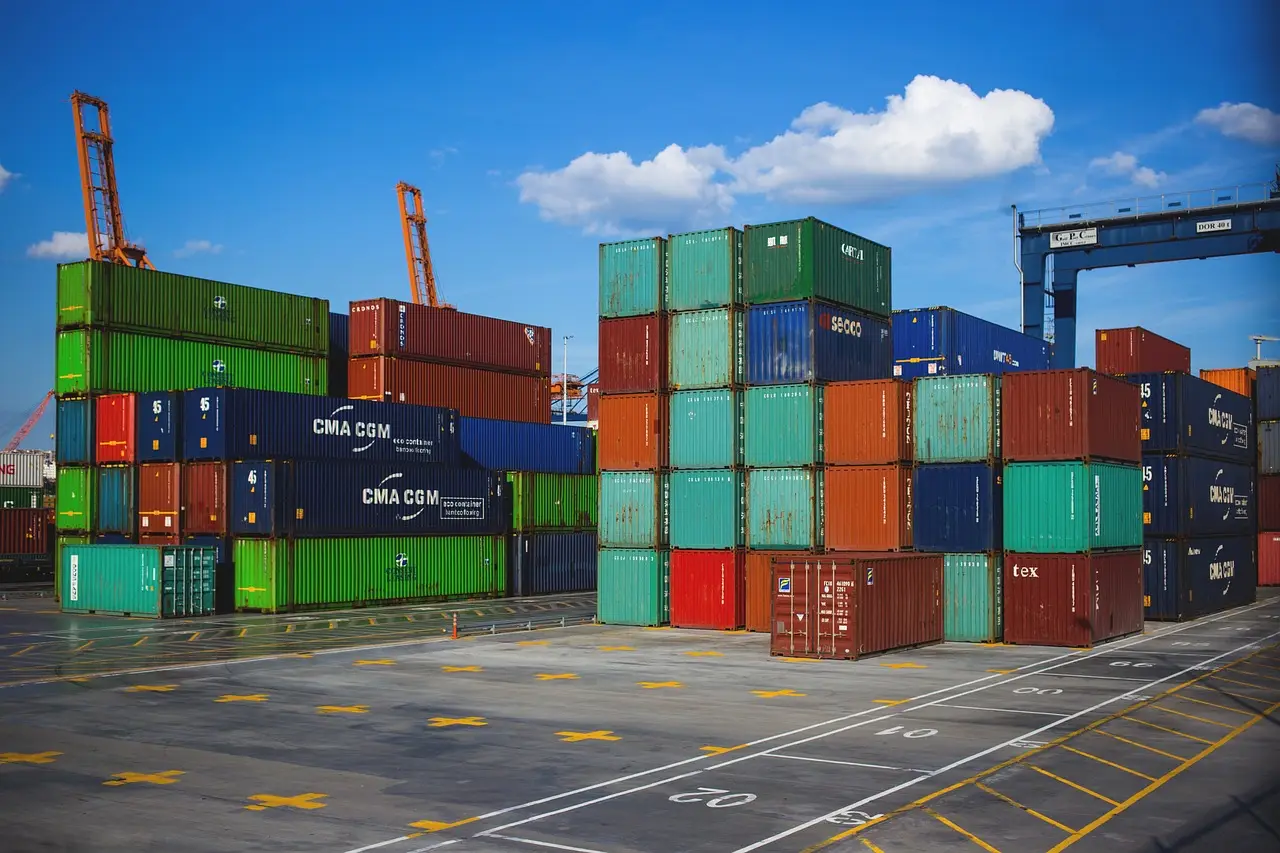
China bought only $7.2 billion in non-soybean US farm goods between January and September — the lowest for that period since 2019 — and Beijing now says the pace will not pick up until Washington implements a reciprocal tariff-cutting deal worth $60 billion in total.
The commerce ministry in Beijing set that condition on Thursday, November 5. Spokesperson Huang Ling framed the stalled purchases as a policy choice, not a market one.
"China has consistently been open to expanding purchases of agricultural products from the US, but only on the condition that the two sides implement their agreed '$30 billion-for-$30 billion' reciprocal tariff-reduction arrangement," Huang said.
China also wants the United States to reduce non-tariff barriers and expand market access, Huang added.
Where the numbers stand
The arithmetic traces back to the September summit between Presidents Xi Jinping and Donald Trump in Washington. The two sides proposed reciprocal tariff cuts totaling $60 billion — roughly $30 billion from each side — including about $17 billion in US farm goods that China imported in 2024. The plan has not been finalized.
The White House said in May that Beijing had agreed to buy $17 billion of US agricultural goods annually starting in 2026, with this year's target prorated. Those purchases sit on top of a separate commitment, made in October last year, to buy US soybeans.
The scoreboard so far is split:
- Soybeans: China is on track to meet its purchase target, according to a Reuters analysis.
- Everything else: meat, corn and other products totaled $7.2 billion through September — a nine-month figure running well short of the annual pace the $17 billion deal implies.
What does the timeline uncertainty change for growers?
A great deal, and the answer is unfavorable for now. The White House has not said whether the clock on the $17 billion non-soy commitment started with its May announcement or will start only once China's proposed tariff cuts are finalized. Until that ambiguity clears, US exporters cannot forecast demand with confidence, and grain and meat basis reflects that hesitation.
Traders have told Reuters that lower tariffs are a prerequisite for making large-scale purchases commercially viable. In other words, even a signed purchase commitment does not translate into orders at current duty levels, because Chinese importers cannot clear the spread between US offer prices and competing origins plus the tariff.
The slow buying pace has fueled doubts that imports will rise sharply this year. That adds pressure on US farmers already grappling with high fuel costs, which tighten margins at exactly the moment export demand has softened.
Next checkpoint before year-end
The two governments have established an agricultural working group, and it is expected to meet before the end of the year. That meeting is the nearest calendar event where the tariff-cut timetable and the purchase-start date could be pinned down.
The White House could not be reached for comment outside working hours.
For US growers, the practical question is whether the working-group session converts a conditional pledge into a dated schedule. Until Beijing's $30-billion-for-$30-billion arrangement moves from proposal to implementation, the $17 billion annual target remains a ceiling defined by tariff math rather than a floor under export volumes.
via agweek.com (Source)
More from Marcus Bennett
Show full bio
Senior reporter covering regulation, policy and their impact on Agribusiness coverage for industry professionals at Agribusiness Wire.
445 articles
Also in the yard
- White House '30-for-30' China Tariff Framework Covers $60 Billion in Trade
- China Needs $1.2 Billion Weekly in U.S. Ag Buys to Hit 2026 Pledges
- China's $30 billion tariff condition for wider U.S. farm imports
- U.S. Ag Eyes China Reset as Trump-Xi Summit Opens in Washington
- US and China Agree to Cut Tariffs on $60 Billion in Goods