Lot No. LOT-4333 · offered September 28, 2026
Seeds, Crop Protection & FertilizerLot sheet
China Targets Seed Industry Self-Reliance, Minister Says
China's agriculture minister says the country will push seed industry self-reliance as a food security priority, with implications for global input makers.
Market notes
- China's agriculture minister announced a push to boost the seed industry for self-reliance and food security.
- No specific funding, acreage targets or timelines were included in the reported statement.
- The directive has implications for multinational seed and trait companies operating in China's market.
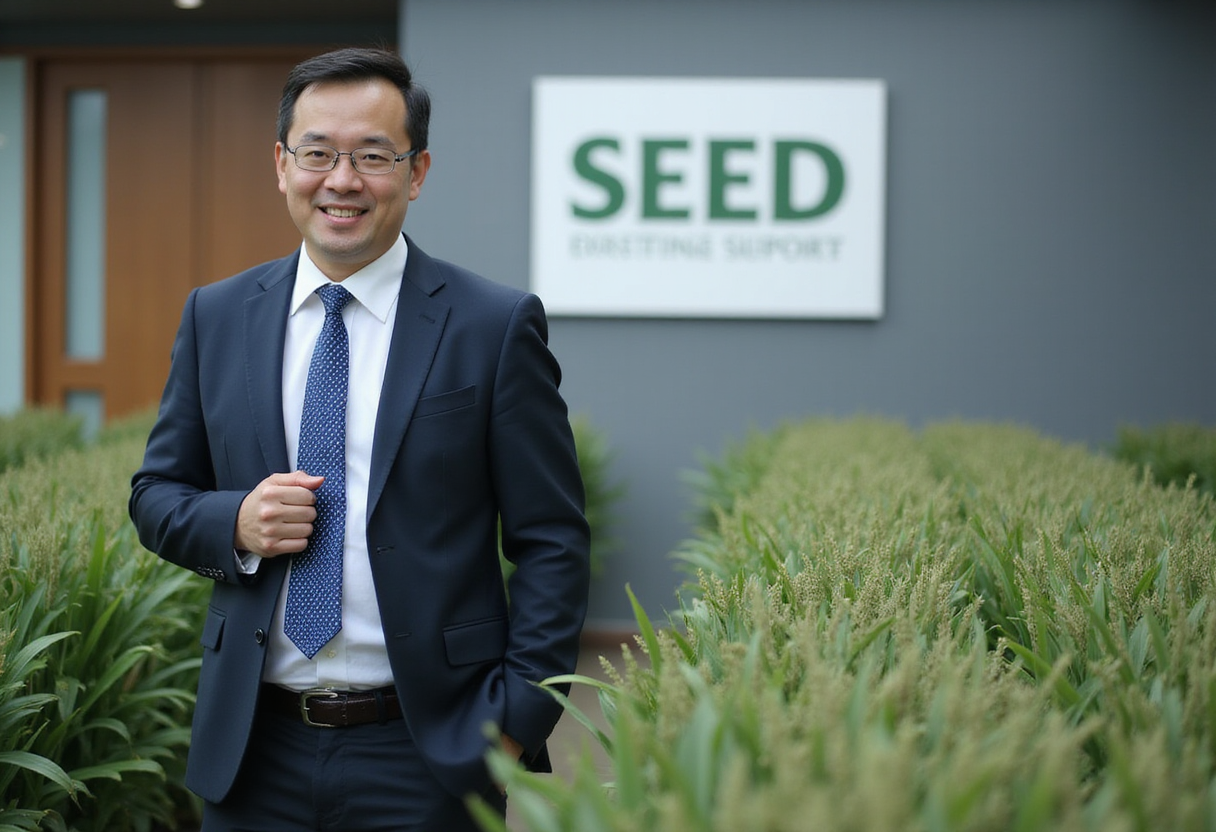
China's agriculture minister has signaled a renewed national effort to strengthen the country's seed industry, positioning crop breeding capacity as a central pillar of food security policy.
The minister's remarks, reported by China Daily HK, frame seed self-reliance as a strategic priority for Beijing. The statement aligns with China's long-standing target of holding domestic grain output and reducing dependence on imported germplasm and breeding technology.
For global agribusiness, the directive matters on several fronts. China is the world's largest seed market by planted area, and its push to develop domestic varieties touches the commercial interests of multinational input makers that sell corn, vegetable and soybean genetics into the country. Any acceleration in state-backed breeding programs could shift procurement patterns for hybrid seed, biotech traits and licensed germplasm over the coming seasons.
The announcement also ties into Beijing's broader agricultural policy architecture. Chinese planners have repeatedly identified seed technology as a bottleneck in the national food system, and legislative and regulatory changes in recent years have tightened rules on genetic resources while opening limited pathways for approved biotech traits in corn and soybeans.
No specific funding figures, acreage targets or timelines accompanied the minister's statement as reported. Observers of Chinese agricultural policy will be watching subsequent ministry documents, provincial implementation plans and budget allocations for concrete measures — including subsidies for breeding enterprises, expanded state seed baselays and approvals of new varieties — that would translate the rhetoric into program-level spending.
The policy signal arrives as China continues to manage tight margins in its grain sector and works to stabilize plantings of key crops. How quickly domestic breeding capacity translates into measurable yield gains or reduced seed imports remains an open question, one that harvest results rather than condition reports will ultimately answer.
Further detail on implementation is expected as China's agriculture ministry rolls out its next round of annual policy guidance.
via Google News: Seed industry (Source)
More from Grace Kim
Show full bio
Correspondent covering industry trends and analytics at Agribusiness Wire.
159 articles
Also in the yard
- China's Seed Drive Plants Its 'Agricultural Chips' Strategy
- World Seed Congress Draws Seed Sector's Technology Leaders
- Hainan Shennong Seed Industry Joins S&P Global BMI Index
- Global Markets Now Drive Seed Sector Strategy, SeedWorld Reports
- World Seed Congress Delegates Address Trade Disruptions and Genetics