Lot No. LOT-3823 · offered September 28, 2026
Agricultural PolicyLot sheet
China's Seed Drive Plants Its 'Agricultural Chips' Strategy
A South China Morning Post headline on China's seed-sector self-reliance drive arrived without article text; Beijing treats germplasm as a strategic input and agribusiness should watch for policy follow-through.
Market notes
- The feed item contained only the headline; no article body or figures were transmitted.
- China's seed push is framed around 'agricultural chips' — germplasm treated as a strategic, semiconductor-like input.
- Policy follows stated goals of germplasm self-reliance across staples, oilseeds and livestock genetics.
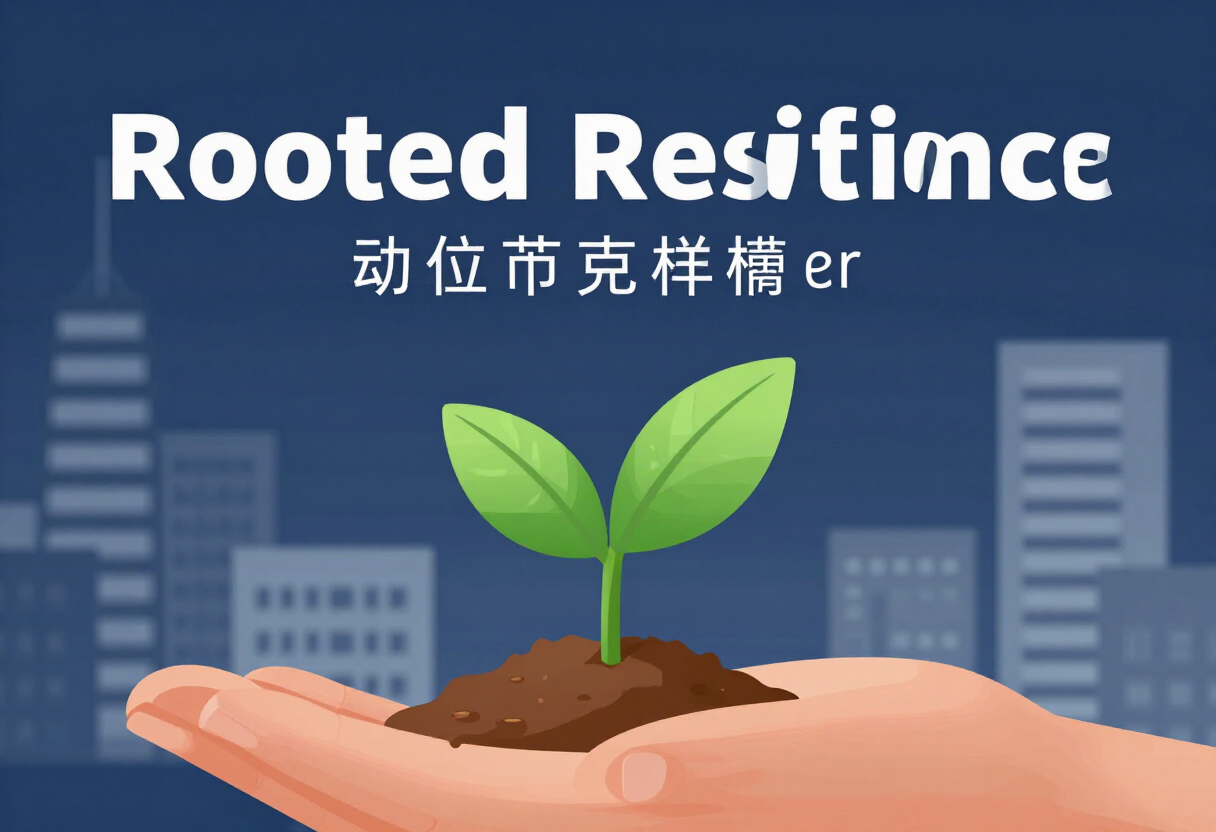
The full text of the underlying article was not transmitted with this feed item; only the headline — "Rooted in resilience: how China's seed push has planted agricultural 'chips'" — arrived from the South China Morning Post's syndicated feed. Based on that headline alone, the piece addresses Beijing's effort to strengthen domestic seed development, a policy priority in which crop germplasm is routinely described in Chinese official commentary as "agricultural chips."
The metaphor is not incidental. Chinese policymakers frame seed security in the same terms applied to semiconductors: a foundational input where dependence on foreign suppliers constitutes a strategic vulnerability. Beijing has made germplasm self-reliance a stated goal, directing research funding toward domestic breeding programs and encouraging public institutes and private firms to develop proprietary varieties in staple grains, oilseeds and livestock genetics.
For agribusiness readers, the significance lies in what seed-sector localization could mean for multinational input suppliers that currently hold market positions in China's corn, vegetable and poultry genetics markets. If the reporting describes concrete outcomes — new variety releases, research center openings, or commercialization milestones — those specifics did not carry through to this feed.
Agribusiness Wire will monitor the originating outlet and relevant Chinese agricultural ministry channels for verifiable details on variety approvals, breeding-program funding and any market-access changes affecting foreign seed companies. Readers should treat any figures tied to this policy push as provisional until matched against official disclosures and reporting windows.
via Google News: Seed industry (Source)
More from Olivia Hart
Show full bio
News editor covering media and advertising at Agribusiness Wire.
138 articles
Also in the yard
- China Targets Seed Industry Self-Reliance, Minister Says
- Hainan Shennong Seed Industry Joins S&P Global BMI Index
- World Seed Congress Draws Seed Sector's Technology Leaders
- Global Markets Now Drive Seed Sector Strategy, SeedWorld Reports
- World Seed Congress Delegates Address Trade Disruptions and Genetics