Lot No. LOT-8818 · offered November 5, 2026
Trade & ExportsLot sheet
China's residue crackdown hits Brazilian beef, soybean exporters
China issued 320 beef notifications against Brazil in Jan-Aug 2026, up from 167, pushing Brasília to tighten residue checks before cargoes leave port.
Market notes
- China issued 320 notifications on Brazilian beef shipments in Jan-Aug 2026 vs 167 a year earlier.
- China bought 58.46% of Brazil's soybean exports, per Datamar data.
- Fluazuron residues in beef accounted for 24 rejected shipments since 2024.
- China canceled a 69,000-tonne soybean shipment in November 2025 and suspended five facilities.
- 82 violations in 2026 traced to facilities in Mato Grosso state.
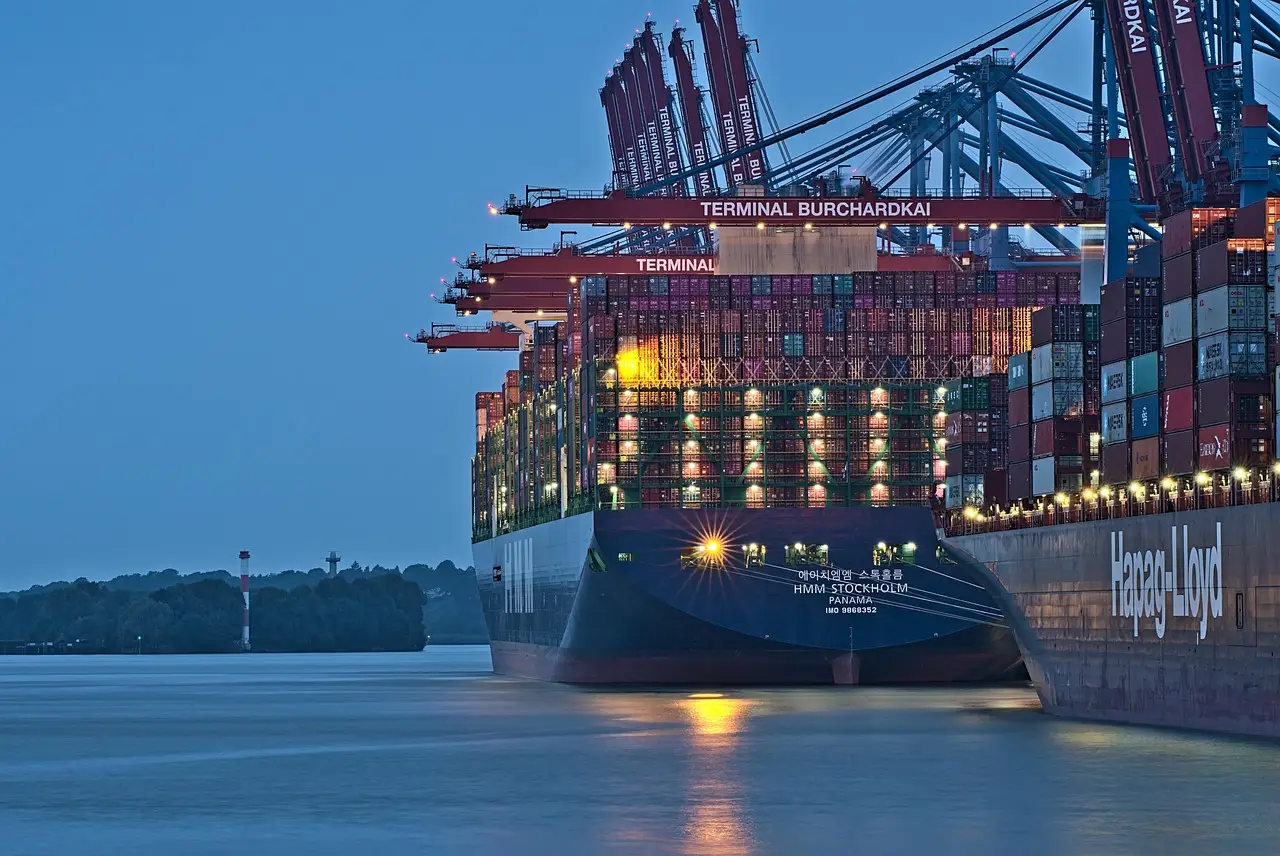
China issued 320 notifications against Brazilian beef shipments between January and August 2026, nearly double the 167 recorded in the same period a year earlier. The surge sits behind an October alert from Brazil's agricultural attaché in Beijing, Leandro Diamantino Feijó, who is pressing exporters and the Agriculture Ministry to tighten residue monitoring before cargoes leave the country.
The stakes are enormous. China took 58.46% of Brazil's soybean exports, according to Datamar data covering January-August flows from 2024 through 2026, and ranks as Brazil's largest buyer across several segments, including soybeans and beef.
What does a single detection cost?
A lot, per the attaché's document, which Valor has seen. "In this environment, a single detection of a prohibited substance or a residue exceeding China's MRL [maximum residue limit] can result in the return or destruction of a shipment and the suspension of export authorization," the document states.
Feijó recommends removing inputs prohibited in China from Brazil's production chain. Industry sources say that option has been ruled out for now. One person familiar with the matter said the warning was not meant to alarm, but to improve monitoring.
The October document responds to updates China's Ministry of Agriculture and Rural Affairs issued in August to its lists of prohibited and discontinued veterinary drugs and restricted-use pesticides. Two sources confirm industry representatives have already discussed the matter with Brazil's Agriculture Ministry.
The attaché proposes concrete steps:
- Share the Chinese lists with ministry departments handling sanitary controls and with exporters' associations.
- "Remove substances prohibited in China from the supply chain and comply with veterinary drug dosage requirements and withdrawal periods to meet Chinese MRLs."
- Have plant-product exporters check China's maximum residue limits, noting gaps between inputs approved in Brazil and banned by China.
The fluazuron problem
Feijó's data show how quickly rejections escalated. "There were no detections between 2020 and 2023. There were 22 shipments in 2024, concentrated in four declarations from three facilities, 13 in 2025 and five in the first half of 2026, almost all involving animal products," the attaché said. About two-thirds of detections involved residues exceeding MRLs for approved substances — particularly fluazuron in beef, at 24 shipments.
Of the 320 notifications this year, covering residues, temperature and labeling, 82 violations traced back to facilities in Mato Grosso state, GACC data show.
Luciano Vacari, CEO of NeoAgro Consultoria, says fluazuron became widely used in Brazil's cattle industry precisely because it controls parasites effectively and meets safety standards demanded in global markets. "However, something has changed. Recurring reports from China about fluazuron residues in Brazilian beef exports have set off alarm bells across the industry," he said.
His diagnosis points to infrastructure, not chemistry. Brazil lacks an effective individual animal traceability system. "Without such a system, it is impossible to accurately identify the animal from which the residue originated," Vacari said.
Soybeans caught in the net
The exposure extends past meat. In November 2025, China canceled a 69,000-tonne shipment of Brazilian soybeans and suspended purchases from five facilities operated by four companies after an alleged contamination involving 10 tonnes of pesticide-treated wheat. Brazil isn't authorized to export wheat to China, and the pesticides used are banned there.
Silence from most parties so far. Brazil's Agriculture Ministry, the attaché's office in China and the Chinese Embassy in Brazil did not respond to Valor's requests for comment. Sindan, the national union of the animal health products industry, declined to comment. Abiec, the meat exporters' association, said it hadn't been officially informed.
With GACC enforcement tightening and fluazuron detections still accruing in 2026, Brazilian exporters face a practical choice: verify withdrawal periods and input compliance before loading, or risk losing facility authorizations to their largest customer.
via Google News: Agricultural trade (Source)
More from Nathan Brooks
Show full bio
Staff writer covering regulation, policy and their impact on Agribusiness coverage for industry professionals at Agribusiness Wire.
515 articles
Also in the yard
- U.S.-China trade pact could reroute Brazilian farm exports
- China's New US Farm Purchases Raise Global Trade Questions
- China Signals Tariff Relief for U.S. Farm Trade Post Trump-Xi Talks
- Latin America Pushes Chinese Crop Protection Exports to Record in Q2
- China Still Owes U.S. Soybean Market 10 Million Metric Tons