Offered
Seeds, Crop Protection & FertilizerLot sheet
Brand Loyalty Drives Dealer Loyalty, Not the Reverse, Purdue Study Finds
Brand-loyal producers were 44 percentage points more likely to stay loyal to their dealer; the reverse effect was negligible, according to Purdue research on nearly 900 U.S. growers.
Market notes
- Brand-loyal producers were roughly 44 percentage points more likely to report dealer loyalty; the reverse effect was negligible.
- Survey of nearly 900 large U.S. crop producers; about 12% were dealer-loyal without brand loyalty.
- Price, financing, returns and warranties did not significantly distinguish loyal producers in the updated analysis.
- Paper by Chenyu Pan, Trey Malone and Xiurui Cui is under review at the International Food and Agribusiness Management Review.
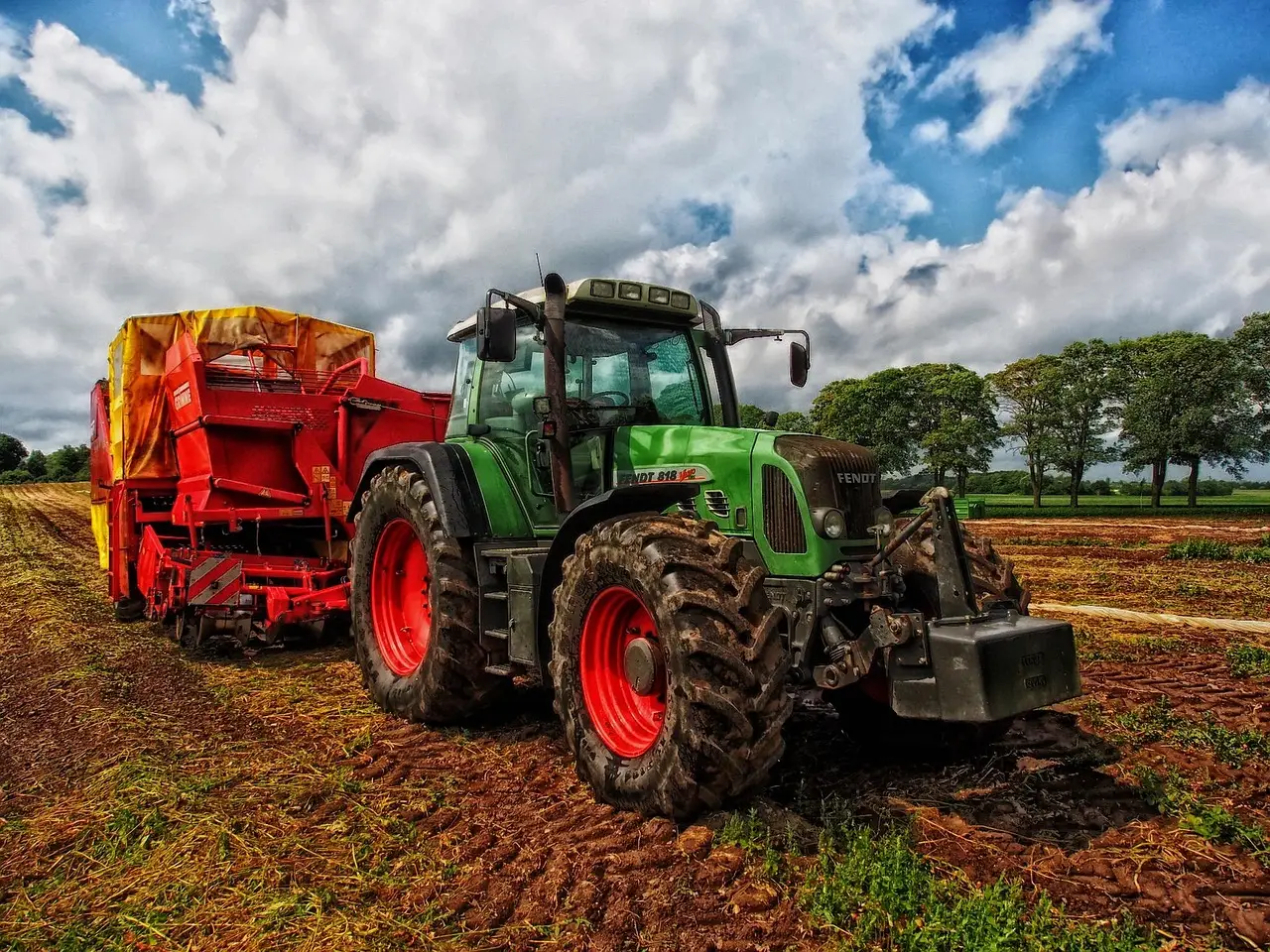
Producers loyal to a seed brand were roughly 44 percentage points more likely to report loyalty to their dealer than comparable producers without brand loyalty, according to new research on nearly 900 large U.S. crop producers. The reverse relationship barely registered. Dealer loyalty had no meaningful effect on brand loyalty.
The asymmetry challenges a core assumption of seed distribution. Dealers have long believed that years of relationships and agronomic advice anchor their customer base. The data suggest the brand often anchors it instead.
The paper, Asymmetric Loyalty in Vertically Linked B2B Channels: Evidence from the U.S. Seed Market, is under review at the International Food and Agribusiness Management Review. Its authors are Chenyu Pan, a Purdue master's student now pursuing a Ph.D. at the University of Illinois Urbana-Champaign; Trey Malone, Purdue's Boehlje Endowed Chair for Managerial Economics in Agribusiness; and Xiurui (Iris) Cui, a postdoctoral fellow at Purdue's Center for Food and Agricultural Business.
Pan said the strength of the signal surprised him. He expected a weak connection from brand to dealer loyalty that would need considerable explanation. "Whereas it wasn't weak," he said.
What does the loyalty overlap look like?
The survey numbers show how tightly the two loyalties travel together:
- About two-thirds of respondents described themselves as loyal to their primary seed dealer.
- Sixty percent reported loyalty to a seed brand.
- Roughly 53% were loyal to both; 28% to neither.
- Only about 12% reported dealer loyalty without brand loyalty.
"That group is the clearest case of loyalty that belongs to the dealer itself," Pan said. "The dealer relationship is real, but for most farmers it comes bundled with the brand."
The 12% figure is not a precise measure of independently earned dealer loyalty. The survey was not designed to calculate that. It does mark a distinction between having loyal customers and knowing what keeps them.
Switching costs explain much of the imbalance, according to Pan. Farmers spend seasons learning how a company's genetics perform on their ground and tuning planting rates, fertility and management around them, so changing brands means relearning all of it. Changing dealers is easier. Farmers commit to the brand, and the dealer who reliably supplies it inherits much of that loyalty.
When expertise builds someone else's equity
The most uncomfortable finding concerns technical differentiation. Producers who rated their dealers highly for agronomic knowledge, technical advice, service quality and new ideas were more likely to report loyalty to the seed brand, not the dealership. The corresponding relationship with dealer loyalty was weak.
A dealer who helps a customer select a hybrid and refine management over several seasons builds confidence in the genetics. The brand captures much of the resulting loyalty. "The good news for dealers is that brand loyalty then flows back to the dealer who carries the brand. The catch is that it flows to whoever carries the brand," Pan said.
For independent dealerships, that is a hard commercial reality. Their investment in expertise may strengthen demand for products they do not control. For seed companies, dealer training and agronomic support may build brand equity that sales figures alone do not reveal. The finding also raises a distribution question the study cannot answer: whether a company could move a brand to another dealer and keep most customers, since the research did not track actual switching behavior.
Do relationships and price still matter?
When researchers examined dealer loyalty on its own, the salesperson relationship emerged as the strongest dealer-side factor, and location also mattered. But once brand loyalty entered the analysis, most of those factors lost explanatory power. "They aren't wrong," Pan said. "The relationship matters, but it often depends on the brand."
Price, financing, returns and warranties did not significantly distinguish loyal producers in the updated analysis. "Competing on price may win a sale, but our data doesn't show it building loyalty," Pan said. Producers who prioritized managing costs, production and operations were less likely to report loyalty to brands or dealers, a useful signal for segmenting customers and assessing retention risk.
The pattern held among younger producers. Older growers reported more loyalty overall, but the brand-to-dealer connection was just as strong among producers aged 35 and under. "So the next generation appears to build dealer loyalty the same way, through the brand," Pan said.
For dealers negotiating agreements and territory decisions, Pan's first recommendation is blunt: protect access to the brands customers are committed to, because most dealer loyalty rests on that commitment. He then advises strong agronomic support, followed by salesperson relationships and local presence, which contribute more directly to loyalty to the dealership itself.
via seedworld.com (Source)
More from Marcus Bennett
Show full bio
Senior reporter covering regulation, policy and their impact on Agribusiness coverage for industry professionals at Agribusiness Wire.
504 articles
Also in the yard
- Seed Industry Innovation Target: Farmers Offer Their Verdict
- Seed Brand Roulette: What's Staying and Going for 2027
- Corteva Completes Spin-Off of Seed Business to Sharpen Crop Protection Focus
- USDA dismissed seed-concentration staff, then claimed work on issue
- Seed Industry Consolidation Continues, DTN Progressive Farmer Reports