Lot No. LOT-2926 · offered November 13, 2026
Trade & ExportsLot sheet
AVEC Warns Brazilian Poultry Imports Surge 34% Past 2025 Total
Brazil shipped 312,000 tonnes of poultry to the EU in nine months, 34% above all of 2025, prompting AVEC to demand a delay in the relisting vote.
Market notes
- Brazil shipped ~312,000 tonnes of poultry to the EU in the first nine months of 2026, 34% above the 233,000 tonnes for all of 2025.
- EU poultry imports from Brazil rose 44% year on year in the first half of 2026.
- The Commission may vote on relisting Brazil on November 16-17.
- Competitor costs ran 28-44% below the EU benchmark in 2024, versus 14-26% in 2017.
- AVEC's competitiveness study identifies 52 EU legislative instruments with cost implications.
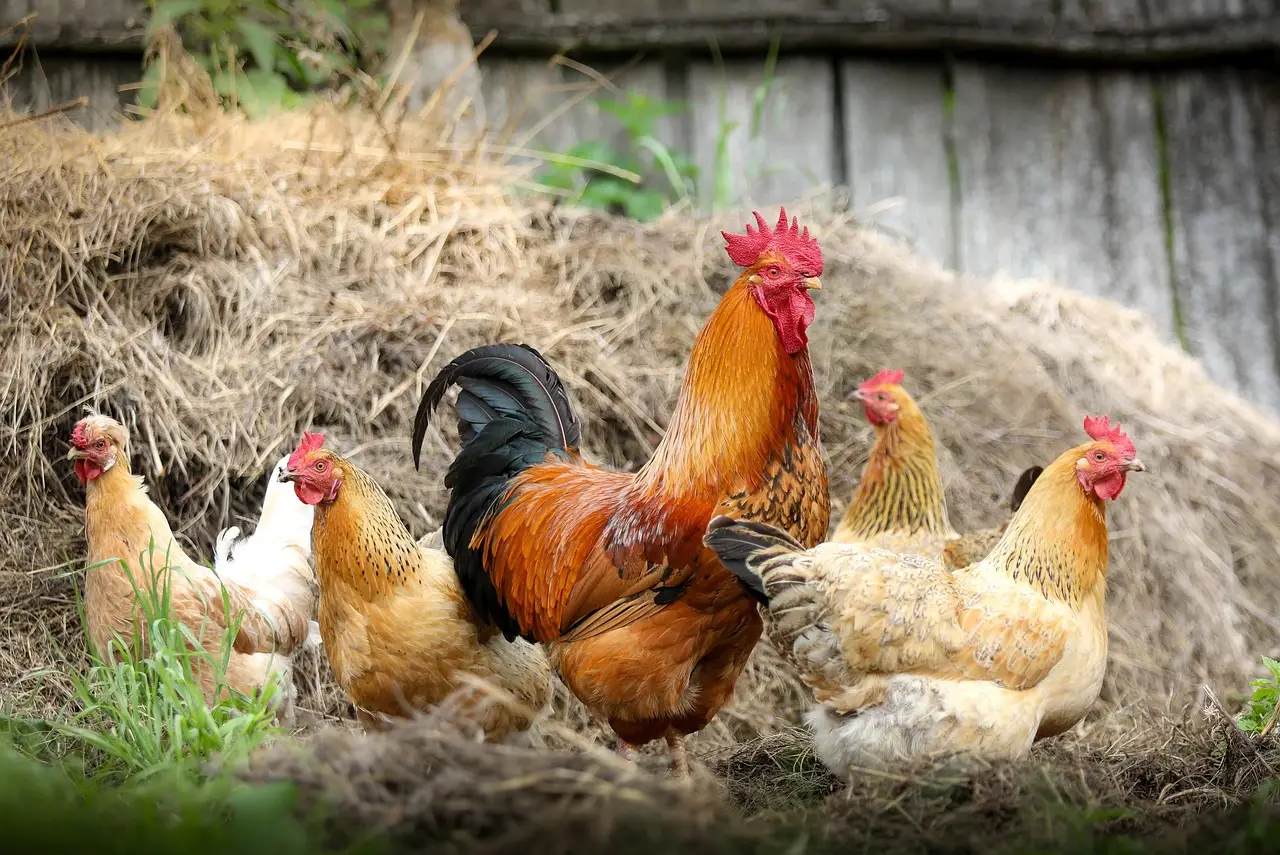
Brazil shipped roughly 312,000 tonnes of poultry meat to the EU in the first nine months of 2026, about 34% more than the 233,000 tonnes recorded for all of 2025, according to the EU poultry association AVEC. European Commission figures show EU poultry meat imports from Brazil rose 44% year on year in the first half of 2026.
AVEC wants the Commission to postpone any vote on restoring Brazil's authorisation to export poultry. Its condition: member states first receive additional, independently verified guarantees that Brazil complies with EU rules on antimicrobial use.
September alone brought 43,500 tonnes of Brazilian chicken into the EU. Consignments carrying health certificates issued before the September 3 deadline could still ship legally. AVEC questions why such large volumes were brought forward ahead of that date.
The shipments pose no danger to consumers and meet EU food safety requirements, AVEC said. But the meat does not comply with the new EU antimicrobial rules.
What hangs on the November vote?
The Commission has placed an update to its list of authorised exporting countries on the agenda for a possible vote on November 16 to 17. A relisting would again make Brazil eligible to export poultry meat to the bloc.
The Commission's own audit concluded that Brazil's control system could provide the required guarantees. AVEC disputes that conclusion. It wants evidence that controls work in practice across the birds' entire lifetime — specifically:
- feed sampling throughout production
- checks performed at hatcheries
- effective separation of EU-bound poultry from other production lines
AVEC has asked member states to press the Commission for verified evidence on these points before any vote.
Why does origin labelling matter now?
The import surge, including shipments entering outside tariff quotas, exposes a gap in EU origin labelling, AVEC said. When imported chicken lands in a ready meal or is served in a restaurant, canteen or other catering outlet, consumers often cannot tell where it came from.
AVEC is demanding four measures:
- Origin labelling (EU or non-EU) for poultry in processed foods and catering
- Return of poultry tariff quota management to EU control, so exporting countries cannot decide which operators obtain access
- Use of the EU-Mercosur safeguard mechanism for poultry, publishing relevant preferential import volumes and prices and assessing whether they warrant an investigation
- Rejection of any poultry concessions to Thailand, which already holds significant preferential access, while Commission-identified shortcomings in traceability and certification remain unresolved
How wide is the EU cost gap?
AVEC will publish its competitiveness study on EU poultry during a webinar on November 30. The study finds the EU's cost disadvantage after slaughter has widened against all five competitors examined: Brazil, Thailand, Ukraine, Argentina and the US.
Their costs ran 28% to 44% below the EU benchmark in 2024, against 14% to 26% in 2017. The study also identifies 52 EU legislative instruments with potential cost implications across the poultry supply chain.
AVEC said policymakers should stop adding obligations for European producers — from the EU Deforestation Regulation applying to feed inputs such as soya, which affects EU producers' costs only, to a new animal welfare proposal in preparation — and first verify and enforce identical standards in third countries supplying the EU market.
With the November 16-17 vote approaching, member states must now weigh the Commission's audit findings against AVEC's demand for verified, on-the-ground evidence of Brazilian compliance.
via thepoultrysite.com (Source)
More from Grace Kim
Show full bio
Correspondent covering people, launches and day-to-day practice in Agribusiness coverage for industry professionals at Agribusiness Wire.
515 articles