Lot No. LOT-5035 · offered September 26, 2026
Commodity MarketsLot sheet
Analyst Outlook Points to Corn Price Surge in 2027 for U.S. Growers
AgroLatam projects corn prices could surge in 2027, offering U.S. farmers a revenue lifeline after years of thin margins, high input costs and depressed cash prices.
Market notes
- AgroLatam projects corn prices could surge in 2027
- The projection is framed as a revenue lifeline for U.S. farmers
- The outlook is a forecast, not a harvested or realized market result
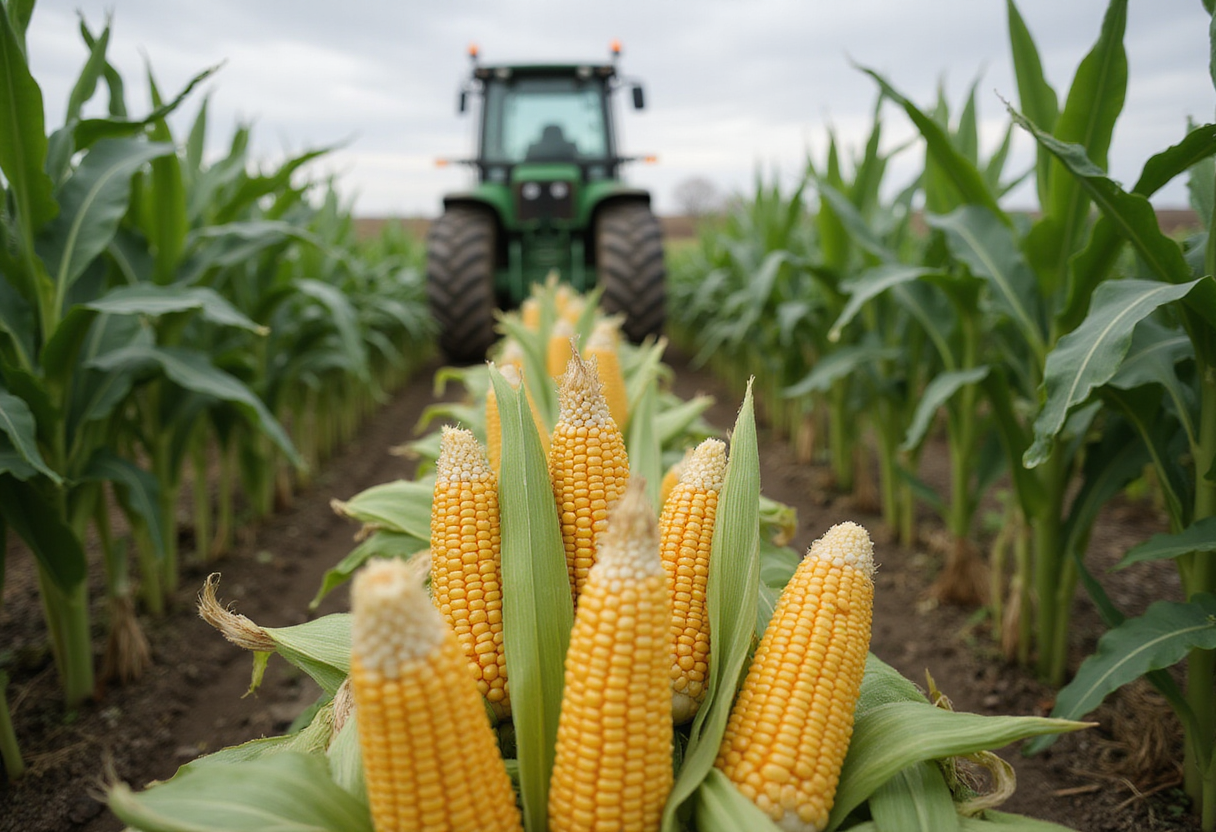
A fresh outlook from AgroLatam projects that corn prices could surge in 2027, offering U.S. farmers what the analysis frames as a revenue lifeline after a prolonged stretch of depressed returns.
The projection centers on corn, the single largest row crop by planted acreage in the United States and a anchor commodity for growers across the Corn Belt. For operations that have weathered several seasons of falling cash prices alongside stubbornly high input costs, a 2027 price recovery would arrive at a critical point in the farm income cycle.
It is worth separating what this outlook is from what it is not. The AgroLatam piece is a forward-looking projection, not a harvested result. No bushels have moved, no basis has been set, and no marketing year has closed against the numbers it anticipates. Condition reports, planted-acreage intentions, and demand signals between now and 2027 will test the projection at every step, and grain-market forecasts at this distance carry wide error bands.
Why the timing matters
The framing of a surge as a "revenue lifeline" speaks directly to the margin math that has defined row-crop operations since corn prices retreated from their earlier peaks. When cash corn trades at levels that barely clear — or fall below — the cost of production, farm income compresses from two directions at once: revenue per bushel falls while fertilizer, seed, crop protection, machinery, and financing costs stay elevated or keep climbing.
A meaningful price surge in 2027 would reverse the first half of that equation. For growers carrying operating debt drawn against weaker price expectations, higher corn revenue would ease renewal-season pressure at farm credit institutions and agricultural lenders across grain-producing states. For cooperatives and elevators holding carryover positions, a demand-driven rally would change the basis picture and reward stored grain in a way that flat markets do not.
Input makers also hold a stake in the outcome. Retailers and manufacturers of nitrogen, phosphate, and seed have faced volume pressure as growers trimmed application rates and scrutinized every pass across the field in response to thin margins. A revenue recovery on the crop side historically restores room in farm budgets for agronomic spending, though input suppliers typically move to capture part of any margin expansion in the following pricing cycle.
What growers should watch
Any 2027 price surge scenario rests on the balance between supply and demand, and the variables that determine it remain live. Domestic feed demand, ethanol offtake, and export programs all shape the usage side of the ledger. On the supply side, planted acreage decisions — including the corn-soybean rotation choices farmers make each spring — will determine whether projected prices hold or whether additional acreage smooths the rally away.
Policy adds another layer. Federal support programs, crop insurance guarantees, and any adjustments to conservation or biofuel policy before 2027 could shift the effective floor under farm revenue independent of the cash market. Growers evaluating the AgroLatam projection should treat it as one input into marketing plans, weighing it against USDA's own supply-and-demand forecasts, university crop-budget estimates, and local basis levels when locking in pricing tools for the 2027 crop.
The distinction between a forecast and a result will matter right up until combines roll. A projection of a surge is a planning signal; a harvested crop sold at a realized price is the only number that reaches a farm's bottom line.
For now, the AgroLatam outlook gives U.S. corn producers a reason to build flexibility into their 2027 marketing strategies rather than a guarantee of higher income. Growers who position themselves with pricing tools, storage capacity, and disciplined input purchasing stand to capture more of any rally the projection anticipates.
via Google News: Grain prices (Source)
More from Nathan Brooks
Show full bio
Staff writer covering marketplaces and e-commerce at Agribusiness Wire.
173 articles