Lot No. LOT-2678 · offered October 9, 2026
Agricultural PolicyLot sheet
Zimbabwe Plans 600,000-Tonne Grain Reserve as Drought Threatens Supply
Zimbabwe will build a 600 thousand tonne strategic grain reserve as drought-related risks strain national supply, UkrAgroConsult reports.
Market notes
- Zimbabwe plans a strategic grain reserve of 600 thousand tonnes
- The reserve responds to drought-related risks to grain supply
- The plan signals a shift from crisis procurement to permanent buffer stock
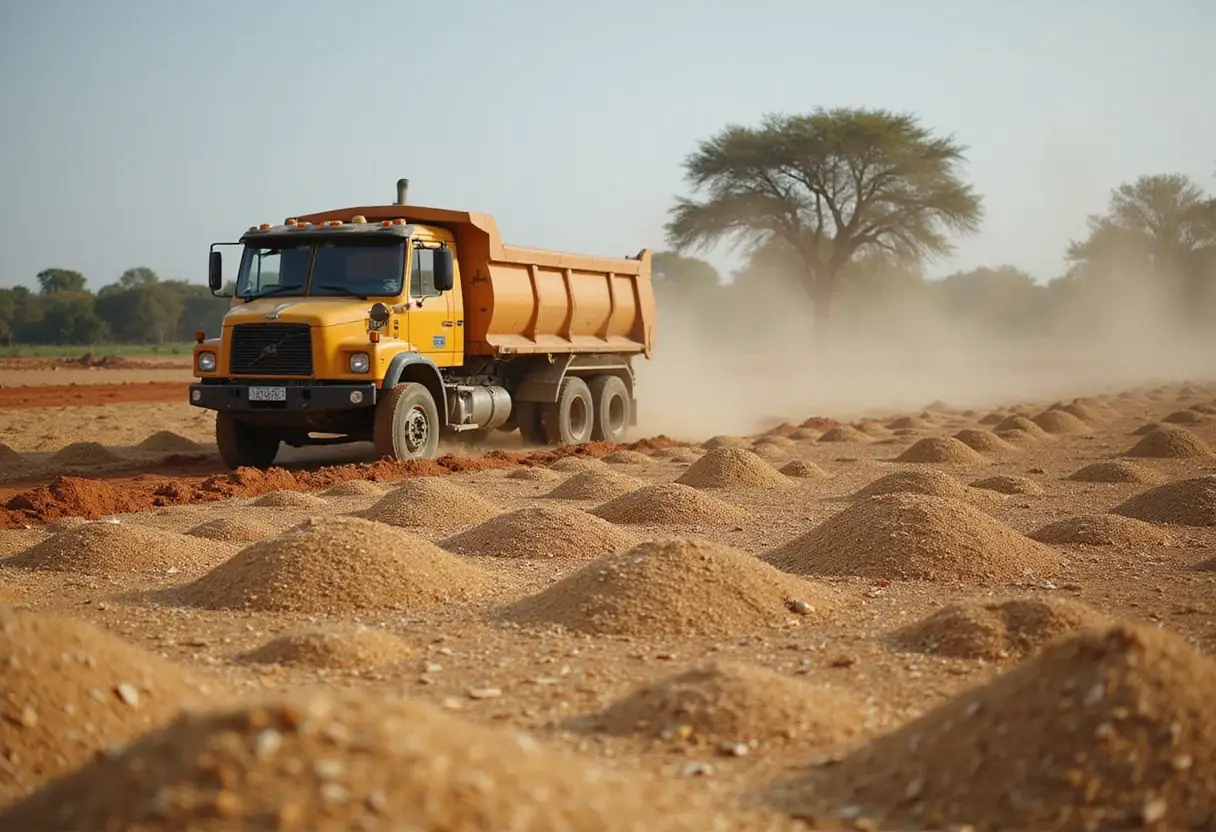
Zimbabwe will build a strategic grain reserve of 600 thousand tonnes as drought-related risks strain the country's supply outlook, UkrAgroConsult reports.
The plan responds to recurring dry conditions that have tightened grain availability across the southern African nation. A reserve of this scale is designed to give the state a buffer it can release onto the market when harvests fall short of consumption needs.
Why is Zimbabwe acting now?
Drought has emerged as the central threat to Zimbabwe's grain balance. Poor rainfall undermines both maize output and overall food security, forcing the country to lean on imports when domestic production drops. A 600 thousand tonne reserve would allow the government to smooth supply gaps without waiting for emergency procurement cycles, which typically arrive late and at premium prices.
For a net grain importer exposed to southern Africa's variable rains, holding physical stock shifts part of the supply risk from world markets — where prices spike in drought years across the region — onto state storage infrastructure.
What does the reserve mean for the grain market?
A purchase program of this size, if executed through domestic procurement or imports, would add measurable demand to regional grain trade. Southern African buyers competing for the same drought-reduced supplies tend to lift basis and import costs in deficit years, a dynamic a pre-built reserve is meant to blunt.
Key questions for market watchers:
- Over what timeline will Zimbabwe accumulate the 600 thousand tonnes?
- Will the reserve be filled from domestic harvests, imports, or both?
- Which grains — maize or wheat — will dominate the stock?
The announcement itself does not specify procurement volumes by crop or by year, so traders will watch tender activity and storage construction for the first concrete signals of implementation.
The wider context
Strategic grain reserves have returned to favor among import-dependent governments after several consecutive seasons of weather-driven shortfalls in southern Africa. Zimbabwe's move signals that Harare now treats drought not as an episodic shock but as a structural risk to national food supply — one that requires permanent, state-held buffer stock rather than year-by-year crisis response.
Implementation details, including funding and storage capacity, will determine whether the 600 thousand tonne target translates into physical grain in silos.
via Google News: Grain prices (Source)
More from Marcus Bennett
Show full bio
Senior reporter covering regulation, policy and their impact on Agribusiness coverage for industry professionals at Agribusiness Wire.
408 articles