Lot No. LOT-1269 · offered October 2, 2026
Commodity MarketsLot sheet
Wheat Prices Climb as Russia, Ukraine Hunt Export Workarounds
Russia and Ukraine are scrambling to move grain after striking each other's Black Sea export capacity, pushing wheat prices up and opening the door for U.S. farmers to reclaim export demand.
Market notes
- Wheat prices are climbing after Russia and Ukraine targeted each other's Black Sea export capacity.
- Both nations are scrambling to move grain through workaround routes after the strikes.
- The disruption opens export doors for U.S. wheat farmers, per Farm Progress America.
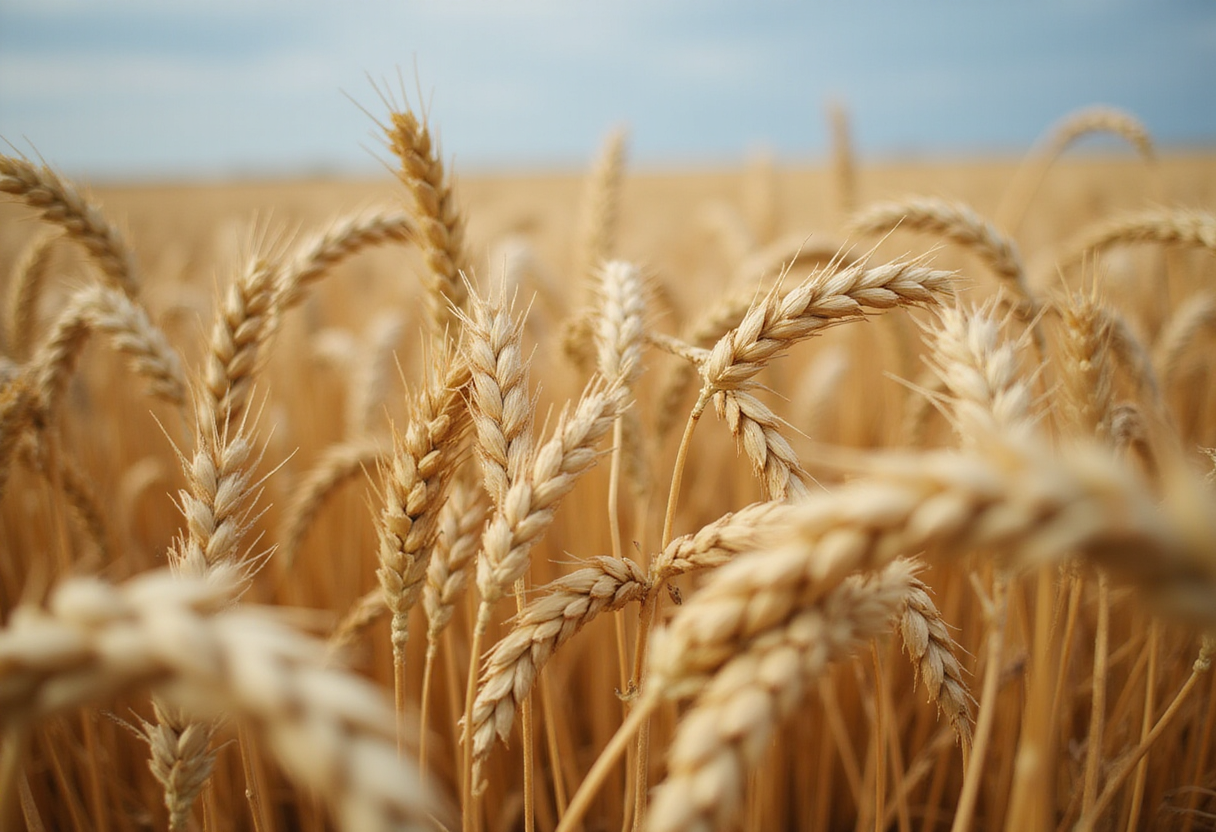
Wheat prices are climbing as Russia and Ukraine, having targeted each other's Black Sea export capacity, now scramble to find alternative routes for their grain.
The two nations, normally among the world's largest wheat exporters, have moved their conflict directly onto each other's shipping infrastructure. Each side has struck at the other's ability to load and move grain through Black Sea ports. The result is a disrupted export channel that has historically carried a substantial share of global wheat trade.
Both governments are now working on workarounds. Those efforts, according to Farm Progress America, have put upward pressure on wheat prices — and opened doors for U.S. farmers.
For American growers, the mechanics are straightforward. When Black Sea supply struggles to reach world buyers, importers bid for wheat from other origins. U.S. wheat becomes more competitive on price, and export demand shifts toward Gulf and Pacific Northwest terminals. That shift can firm basis at country elevators in hard red winter and hard red spring wheat territory, improving margins for producers who have spent several seasons wrestling with elevated input costs and breakeven-level farmgate prices.
The price move comes at a critical point for U.S. wheat producers. Growers weighing planting decisions are watching both futures boards and fertilizer invoices. Higher wheat futures, if they hold, improve the revenue side of that ledger. Farm Progress America's assessment links the current rally directly to the export disruption, meaning its durability depends on how long the Black Sea constraints persist.
There is a distinction worth drawing for readers tracking this market. Condition of the conflict and each side's export capacity is one thing; harvested, shipped and documented grain is another. Reports of workarounds — alternative ports, overland corridors, third-country transshipment — are plans until vessels actually load and clear. Market participants will be checking actual export inspections and sales confirmations against the announced intentions of both governments.
The same discipline applies to the price rally itself. Traders are pricing expected disruption, not yet measured shortfalls. If either Russia or Ukraine succeeds in restoring meaningful export flow through alternate channels, the premium currently supporting U.S. prices could erode quickly. Conversely, sustained attacks on port and shipping capacity would keep the risk premium in the market and continue pulling demand toward U.S. origins.
For U.S. farm groups and grain handlers, the situation presents both opportunity and planning risk. Exporters may see stronger inquiry from traditional Black Sea customers in North Africa, the Middle East and Asia. But basis strength built on wartime disruption can reverse as fast as it arrived, and growers locking in sales against the current rally — rather than assuming it persists through harvest — face less downside exposure if the workarounds succeed.
U.S. wheat's share of world trade has eroded in recent years as Black Sea origin grain undercut American offers on price. The current disruption is, in effect, a forced reversal of that dynamic, handed to U.S. producers by events entirely outside their control.
How Moscow and Kyiv's workaround efforts progress — and whether either side can move meaningful volumes without Black Sea port capacity — will determine whether the current price strength marks a durable realignment of global wheat trade flows or a temporary spike that settles once alternative routes reach full operation.
via Farm Progress (Source)
More from Grace Kim
Show full bio
Correspondent covering industry trends and analytics at Agribusiness Wire.
171 articles