Lot No. LOT-6123 · offered October 9, 2026
Commodity MarketsLot sheet
Wheat Futures Jump 3.5% as Middle East Tensions Lift Grain Markets
Wheat futures jumped as much as 3.5% on July 15 after a naval blockade on Iranian ports pushed Brent crude above $85 a barrel. Corn climbed 4-5 cents near $4.47, and soybeans held firm despite a record Brazilian crop forecast of 6.636 billion bushels.
Market notes
- July 15 wheat futures rose as much as 3.5%; Chicago SRW reached $6.45/bushel and Kansas City HRW hit $6.78/bushel.
- Brent crude traded above $85/barrel after reimplementation of a naval blockade affecting Iranian ports.
- September corn added 4-5 cents to $4.47/bushel; USDA rated 68% of the U.S. crop good to excellent.
- USDA rated 65% of U.S. soybeans good to excellent, with 50% blooming and 19% at pod-setting.
- Brazil's Conab forecast a record 6.636 billion bushels of soybeans; winter wheat harvest reached 67% completion.
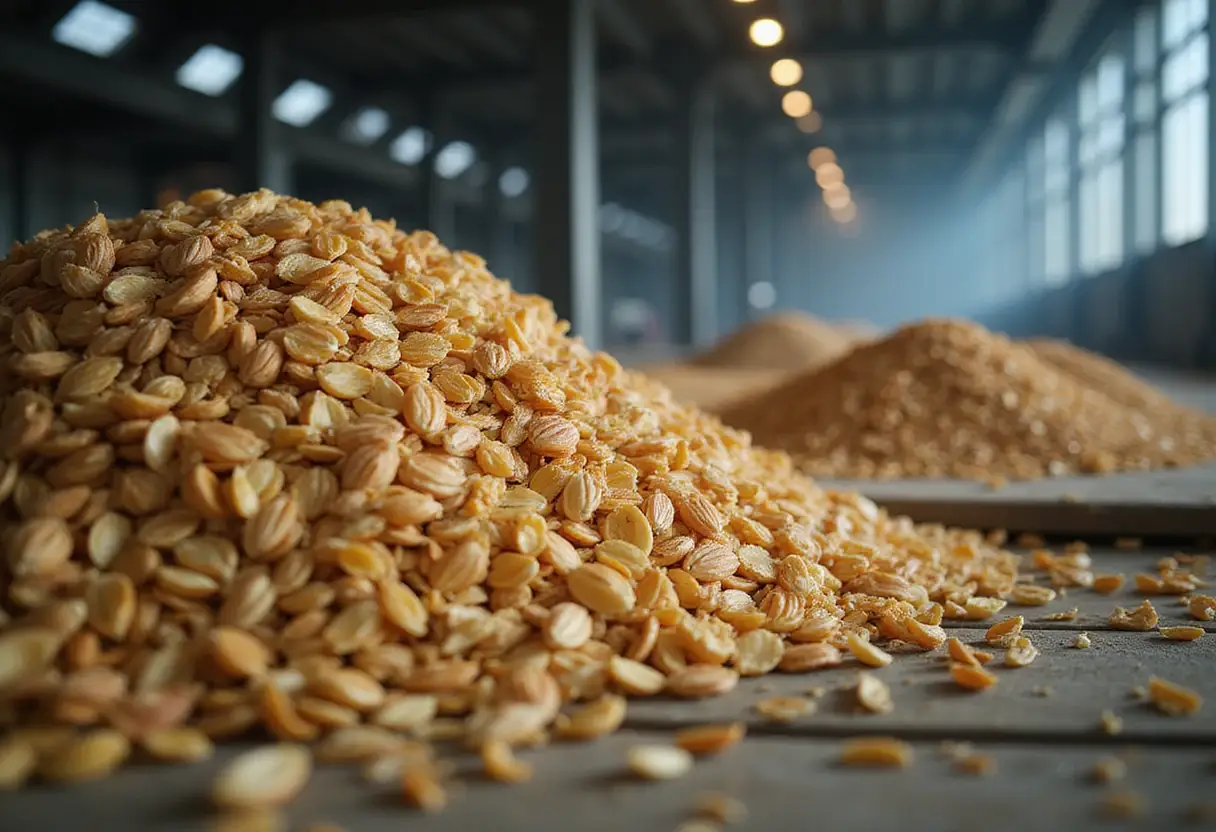
Wheat futures climbed as much as 3.5% during the July 15 session, with Chicago soft red winter wheat reaching $6.45 per bushel and Kansas City hard red winter wheat hitting $6.78 per bushel, after the reimplementation of a naval blockade affecting Iranian ports pushed Brent crude above $85 a barrel and reignited buying across the grain complex.
What moved the markets on July 15?
Escalating Middle East tensions drove investors back into commodities, the same pattern that historically lifts agriculture through higher transportation costs, fertilizer expenses and stronger demand for ethanol and renewable fuels. Analysts caution that market sentiment could change rapidly depending on developments in the Middle East and the evolution of Corn Belt crop conditions.
How did corn hold its ground?
September corn futures added 4 to 5 cents a bushel and traded near $4.47, well above late-June lows. Weekly exports reached 42.5 million bushels. The USDA rated 68% of the U.S. corn crop as good to excellent, one point above the previous week.
Mexico remained the largest buyer of U.S. corn, followed by Taiwan, Japan, South Korea and Colombia. Ethanol production still runs 4.3% below last year's pace, but blending demand and export activity continue to underpin prices.
- September futures: $4.47/bushel
- Good/excellent rating: 68% (+1 point week-over-week)
- Weekly exports: 42.5 million bushels
Heavy rain is forecast across the Southern Plains, while prolonged heat in parts of the Northern Plains raises yield-stress concerns during critical crop development stages.
Can soybeans absorb a record Brazilian crop?
The USDA now rates 65% of the U.S. soybean crop as good to excellent, with 50% blooming and 19% at pod-setting — both ahead of historical averages. September contracts eased slightly as traders balanced strong Chinese demand against robust South American competition.
Brazil's Conab raised its production forecast to a record 6.636 billion bushels, reinforcing the country's position as the world's largest soybean producer and exporter. Strong Chinese demand is preventing deeper declines, but expanding global supplies could continue capping upside later in the year.
Why did wheat outperform the complex?
Despite U.S. winter wheat harvest reaching 67% completion — ahead of the average pace — quality concerns and geopolitical risk kept prices firm. Rising energy costs also made wheat more attractive as investors sought hard-asset exposure during periods of uncertainty.
Spring wheat conditions improved to 58% rated good to excellent, a step up from prior weeks. Kansas City hard red winter at $6.78 per bushel logged the session's strongest rally.
What does the rebound mean for farm margins?
For U.S. producers, the price move offers a window to revisit marketing plans, breakeven calculations and crop insurance strategies as harvest approaches. If geopolitical tensions continue and energy prices stay elevated, grain markets could establish a stronger price floor heading into the second half of the marketing year, with direct read-through to commodity prices, farm income, livestock feed costs, supply chains and U.S. agricultural exports.
via Google News: Grain prices (Source)
More from Nathan Brooks
Show full bio
Staff writer covering regulation, policy and their impact on Agribusiness coverage for industry professionals at Agribusiness Wire.
468 articles
Also in the yard
- December Corn Drops to $5.29 as Harvest Pressure, Ethanol Slump Weigh
- Corn Clears $5 at Three-Year Highs as Grains Extend Summer Rally
- Corn Slips to $5.22 as Traders Position Ahead of USDA Stocks Report
- Wheat Rallies on Black Sea Tensions as Corn Slips in Chicago
- December Corn Hits $4.8750 as Heat, Conflict Fuel Grain Rally