Offered
Trade & ExportsLot sheet
USTR proposes new tariff on all out-of-quota sugar imports
USTR proposes tariffs on all out-of-quota sugar imports after 1.12M tons entered in 2025-26, with an estimated $1.8B loss to domestic growers; users warn of higher consumer costs.
Market notes
- 1.12 million tons of sugar entered the U.S. outside the tariff-rate quota in the 2025-2026 marketing year, second-highest on record.
- NDSU Agricultural Risk Policy Center estimated imports cost the domestic sugar industry $1.8 billion last year.
- USTR proposed a nondiscriminatory out-of-quota sugar tariff on Nov. 25, plus a 10% tariff on Brazilian aircraft.
- Hearing set for Jan. 14, 2027; written comments due Dec. 30, 2026 (docket USTR–2026–0628).
- Sweetener Users Association says imports are essential because U.S. production falls short of demand.
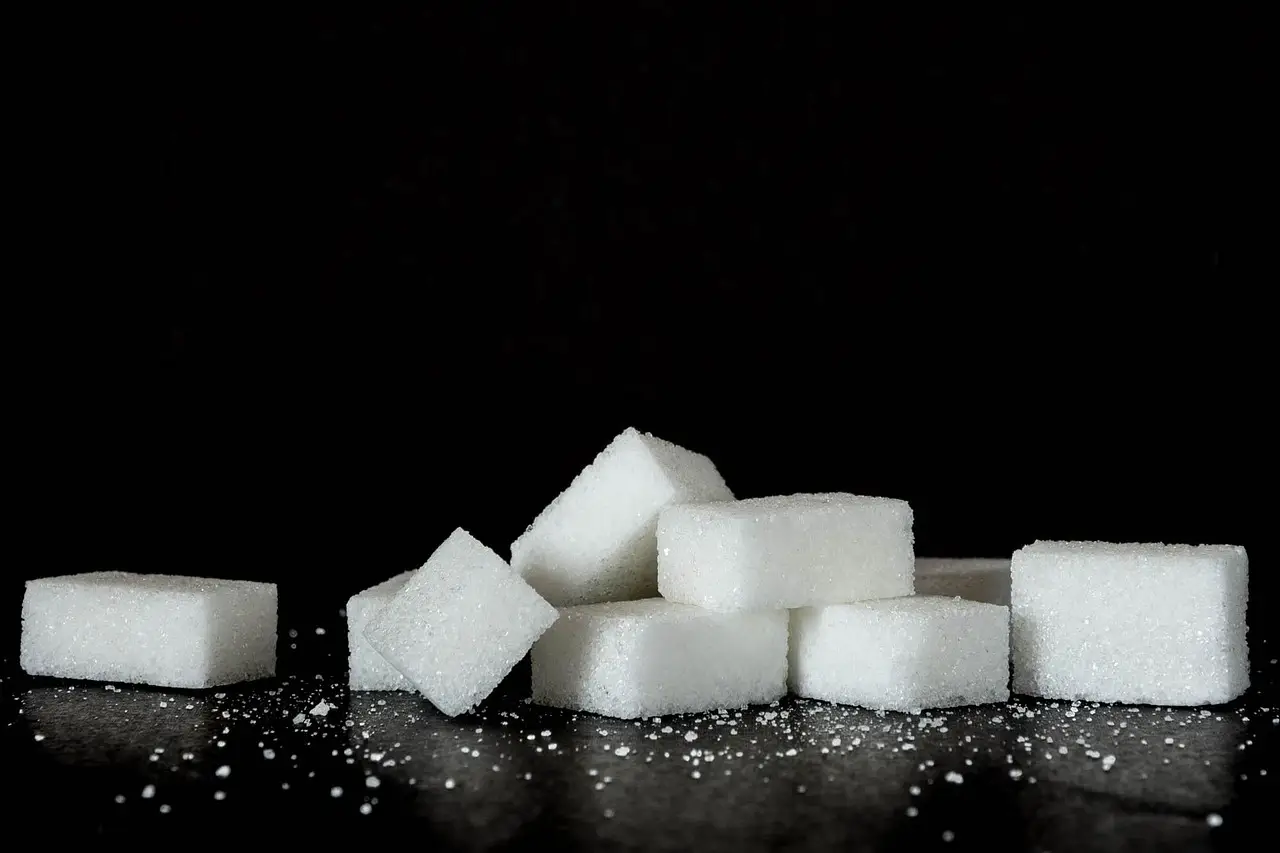
More than 1.12 million tons of sugar entered the United States outside the tariff-rate quota in the 2025-2026 marketing year — the second-highest out-of-quota import year on record — and U.S. Trade Representative Jamieson Greer is now proposing a new tariff on raw and refined sugar from every origin to slow the flow.
Greer announced the proposal on Nov. 25. It targets both out-of-quota sugar and finished aircraft, with an additional 10% tariff on Brazilian aircraft. In his statement, Greer said Brazil's trade actions "undercut the competitiveness of American farmers, workers, innovators and businesses."
"Imposing an additional, specific tariff on sugar imports from Brazil and an additional 10% tariff on finished aircraft exports from Brazil is intended to help bring Brazil to the table," Greer said. "Consistent with the Section 301 statute, I am also proposing to increase the out-of-quota tariff on sugar imports on a nondiscriminatory basis to prevent a surge of sugar imports from other countries whose market Brazil could backfill."
That nondiscriminatory clause is the detail growers are watching. A Brazil-only tariff would simply reroute Tier-2 sugar through third countries. Greer's proposal closes that door — on paper, at least. The tariff has not taken effect; it is a proposal awaiting a hearing and comment period.
Why is the sugar industry pushing for it?
Imports above the tariff-rate quota pay the Tier-2 tariff, and the industry blames that channel for collapsing prices. A study by the North Dakota State University Agricultural Risk Policy Center estimated increased imports cost the domestic sugar industry $1.8 billion last year.
"No industry can sustain that," said Sen. John Hoeven, R-N.D., who announced the proposal at a press conference with representatives from American Crystal Sugar and Minn-Dak Farmers Cooperative.
"We have a vibrant, important sugar industry in this country and we're going to lose it if we don't take some action," Hoeven said.
Rick Kasper, president and CEO of Minn-Dak Farmers Cooperative, said predatory trade practices by foreign countries have gone on for years. The current sugar tariff is 25 years old, he said, and no longer serves its intended purpose of letting the USDA manage the U.S. sugar supply.
Tom Astrup, president and CEO of American Crystal Sugar, called the situation a crisis for sugar farmers. "The impact of these unfair practices extends well beyond our family farms, threatening the viability of cooperatives, processing facilities and rural communities that depend upon them," he said.
A large bipartisan group of senators and representatives asked Greer in May to open a Section 301 investigation into foreign sugar-producing countries' practices. Section 301, under the Trade Act of 1974, lets USTR investigate foreign acts and policies that hurt U.S. commerce. Greer's Nov. 25 announcement responds to that investigation.
Takeaway: growers frame the tariff as a correction to a quota system that stopped managing supply years ago.
What do sugar-state lawmakers and the alliance say?
Rep. Mike Simpson, R-Idaho, said in a Facebook post that Greer's actions will "help restore a level playing field for our great sugar producers." He noted Idaho's sugarbeet growers create thousands of jobs.
Rep. Julie Fedorchak, R-N.D., called Greer's action "an essential step toward restoring fair competition, strengthening our domestic sugar industry and protecting the livelihoods of hundreds of multi-generations North Dakota farm families across the Red River Valley."
"North Dakota's sugarbeet growers can compete with anyone, but they shouldn't have to compete against the treasuries of foreign governments," Fedorchak said.
Rob Johansson, director of Economics and Policy Analysis at the American Sugar Alliance, thanked President Donald Trump and the "bipartisan champions on Capitol Hill" who advocate for American farmers. "American sugar producers have been harmed by the unreasonable and unfair trade practices of foreign countries. We look forward to reviewing today's proposed actions and working to defend American sugar production," he said.
Takeaway: support spans both parties and every sugar-producing region, from the Red River Valley to Idaho.
What does the users' side argue?
The Sweetener Users Association, representing food manufacturers, said the U.S. doesn't produce enough sugar to meet domestic demand, making imports "an essential part of the U.S. sugar supply."
"When supplies through normal channels fall short, manufacturers may have no choice but to import sugar at the already substantial out-of-quota duty," the association said. "Adding another tariff on top of those existing duties would further increase the cost of securing the sugar needed to meet U.S. consumer demand, without addressing the underlying supply challenge — raising costs for U.S. food manufacturers and consumers already facing high sugar prices."
The group continues to push for implementing 2023 Government Accountability Office recommendations that would change how raw sugar import quotas are allocated, and for reallocation requirements Congress enacted in the One Big Beautiful Bill Act.
Takeaway: the users' argument rests on domestic supply falling short — a claim the growers' side contests by pointing to the import volumes.
What happens next?
USTR will hold a hearing on the proposed modification on Jan. 14, 2027, which may continue to the following day. The comment period opened Nov. 27. Requests to appear at the hearing, with a summary of testimony, are due Dec. 7, 2026. Written comments are due Dec. 30, 2026, and post-hearing rebuttal comments seven days after the hearing.
Comments can be submitted at comments.ustr.gov/s. The docket for written and rebuttal comments is USTR–2026–0628; requests to appear go under USTR–2026–0629.
USTR has set the timeline and the dockets; whether the tariff holds off the import surge it targets will not be clear until a full marketing year runs under whatever final rule emerges.
via agweek.com (Source)
More from Olivia Hart
Show full bio
News editor covering technology and product news in Agribusiness coverage for industry professionals at Agribusiness Wire.
567 articles
Also in the yard
- Proposed $440/T Raw Sugar Tariff Would Push US Prices to More Than Double World Levels
- New Sugar Tariff Proposal Targets $1.8B Import Loss
- Foreign sugar subsidies cost US producers up to $1.8B, study finds
- Foreign Sugar Subsidies Approach $1.4 Billion, Fueling U.S. Trade Case
- Tier-2 Sugar Imports Near Record as Beet Area Hits 45-Year Low