Lot No. LOT-3558 · offered November 7, 2026
Crop EconomicsLot sheet
Used 100+ hp Tractors Up 5% as Farmers Eye Shrinking Inventory
Equipment financing fell 20% in 2025 and September tractor sales dropped 16.4%, yet used 100+ hp tractor values rose nearly 5% as inventory shrinks and rates loom.
Market notes
- Point-of-sale equipment financing fell 20% in 2025.
- U.S. ag tractor sales dropped 16.4% and combine sales 10.9% in September year-over-year (AEM).
- Used tractors of 100 hp or more gained nearly 5% in auction value versus last year (Sandhills Global).
- September saw the year's first Fed rate hike; AgDirect's Roberg expects another before Christmas.
- Manufacturers have cut production, shrinking late-model dealer inventory.
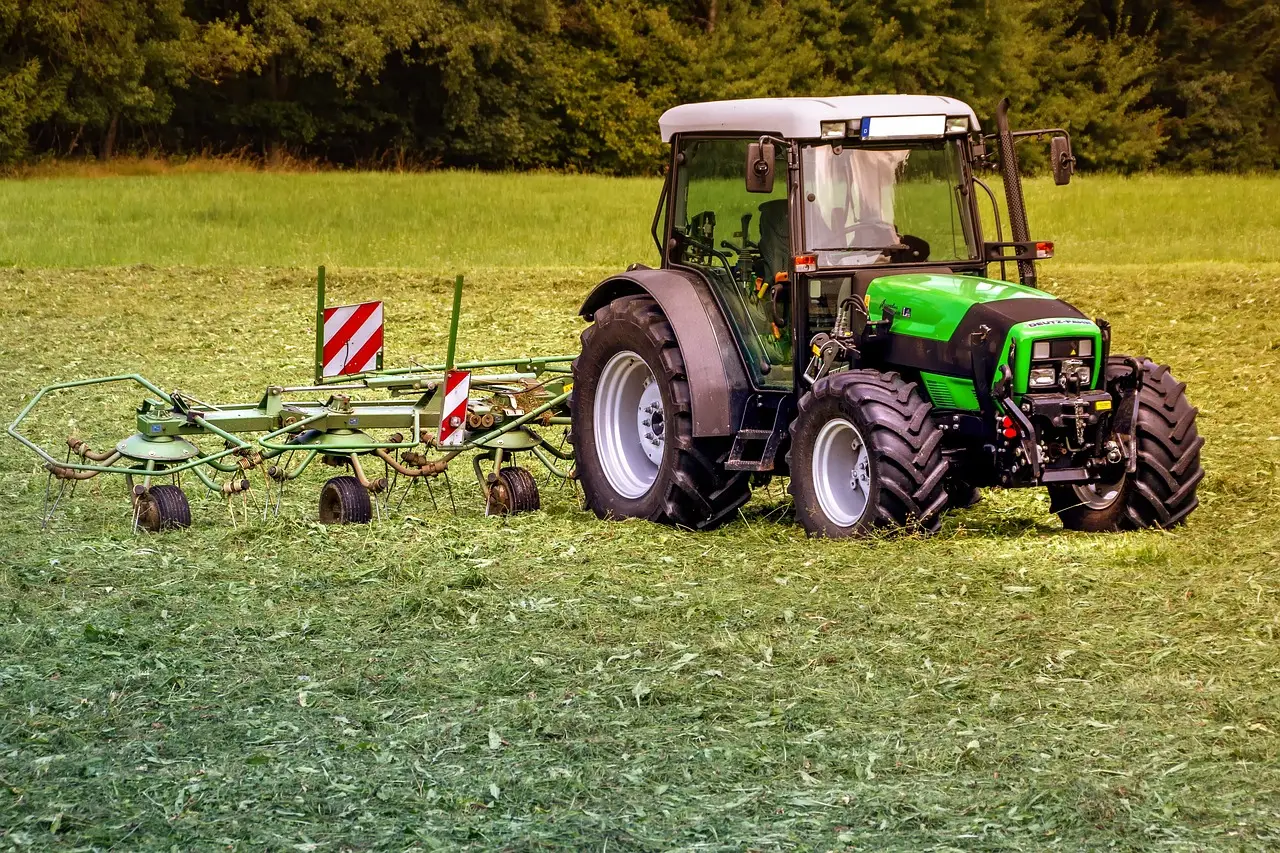
Point-of-sale equipment financing plummeted 20% in 2025, yet auction values for used tractors with 100 hp or more are up nearly 5% over this time last year. That tension — falling sales, rising prices — frames the question every grower with a aging combine is asking right now: buy now or wait?
Greg Roberg, vice president of sales at AgDirect, doesn't think waiting pays. "I don't see rates getting any better. There's a better chance they'll go up," he said. "Right now, the futures market appears to be leaning toward another Fed rate increase before the end of the year."
What does the rate picture mean for machinery loans?
Sticky inflation has turned the Federal Reserve hawkish. September brought the year's first interest rate hike. The Fed held off at its October meeting, but Roberg expects another move before Christmas.
The inflation drivers aren't singular. Skyrocketing diesel prices have accelerated the trend, and Roberg ticks off the rest: geopolitical tensions, war, tariffs, increased AI infrastructure spending and rampant government spending have pushed long-term yields to multi-decade highs.
Energy markets carry much of the blame. "We have the Russia-Ukraine war, which has rattled the energy markets, then the war with Iran and the on-again-off-again Strait of Hormuz closure," Roberg said. "High oil prices have created additional stress on producers."
His read on the pump: "All of us are seeing higher prices at the gas pump, and anything that has petroleum products is likely higher than it was six months ago, certainly a year ago. Inflation has crept back up; it was heading down."
How weak is demand, exactly?
The numbers are blunt. U.S. sales of agricultural tractors declined 16.4% in September from last year, while combine sales fell 10.9%, according to the Association of Equipment Manufacturers. The 2026 outlook is tracking similarly, Roberg said, because the stressors behind the pullback aren't abating.
Manufacturers have responded by slashing production to match decreased demand. That's the catch for buyers: newer on-lot machinery inventory is dwindling even as order books thin.
"Dealers have a very good assortment of late-model equipment," Roberg said. "The best advice I can give producers is: Find what you're looking for, talk to your tax accountant, and make a really well-informed decision. Producers that need equipment should be looking at what is available now that might fit their operation and their budget."
Why are auction values rising anyway?
Sandhills Global's latest market report documents rising auction prices as competition heats up. Values for used tractors with 100 hp or more sit nearly 5% higher than a year ago.
"The farm equipment auction market has seen a jump in activity," said Ryan Dolezal, manager of TractorHouse. "We view this as moderate progress in the right direction, tempered by increases in fuel prices and other variables, but dealers are becoming more optimistic for the end of the year and into 2027."
Farm machinery sales are picking up more broadly, Roberg said, and he credits rising commodity prices that have stabilized over the last several months. Profitability, not the macro noise, drives the purchase decision.
"Cash flow seems to be the biggest driver," Roberg said. "When the price of corn and soybeans and some other commodity prices are profitable, that drives sales as much as anything — even more than interest rates."
What does this change for a grower weighing a purchase?
The short-term pause in rate hikes creates a window for operators holding cash, and Roberg's advice is to use it: shop now, before another possible hike lands and before late-model lots thin out further. Farmers buy when they can, the data shows — and right now, commodity prices say many can.
via Farm Progress (Source)
More from Nathan Brooks
Show full bio
Staff writer covering regulation, policy and their impact on Agribusiness coverage for industry professionals at Agribusiness Wire.
522 articles