Lot No. LOT-5913 · offered October 9, 2026
Commodity MarketsLot sheet
USDA Cash Bids Slip: Corn, Soybeans and Wheat Fall in Midwest, Gulf
Cash bids for corn, soybeans and wheat tracked by USDA weakened across Midwest delivery points and Gulf export terminals, per an IndexBox tally of the latest federal data on grain prices.
Market notes
- Cash bids for corn, soybeans and wheat tracked by USDA declined in the Midwest and Gulf, per IndexBox.
- The IndexBox summary labels the moves 'mixed' even as the overall direction is down across all three commodities.
- USDA's grain-bid report is the primary reference for basis, the differential between local cash and Chicago futures.
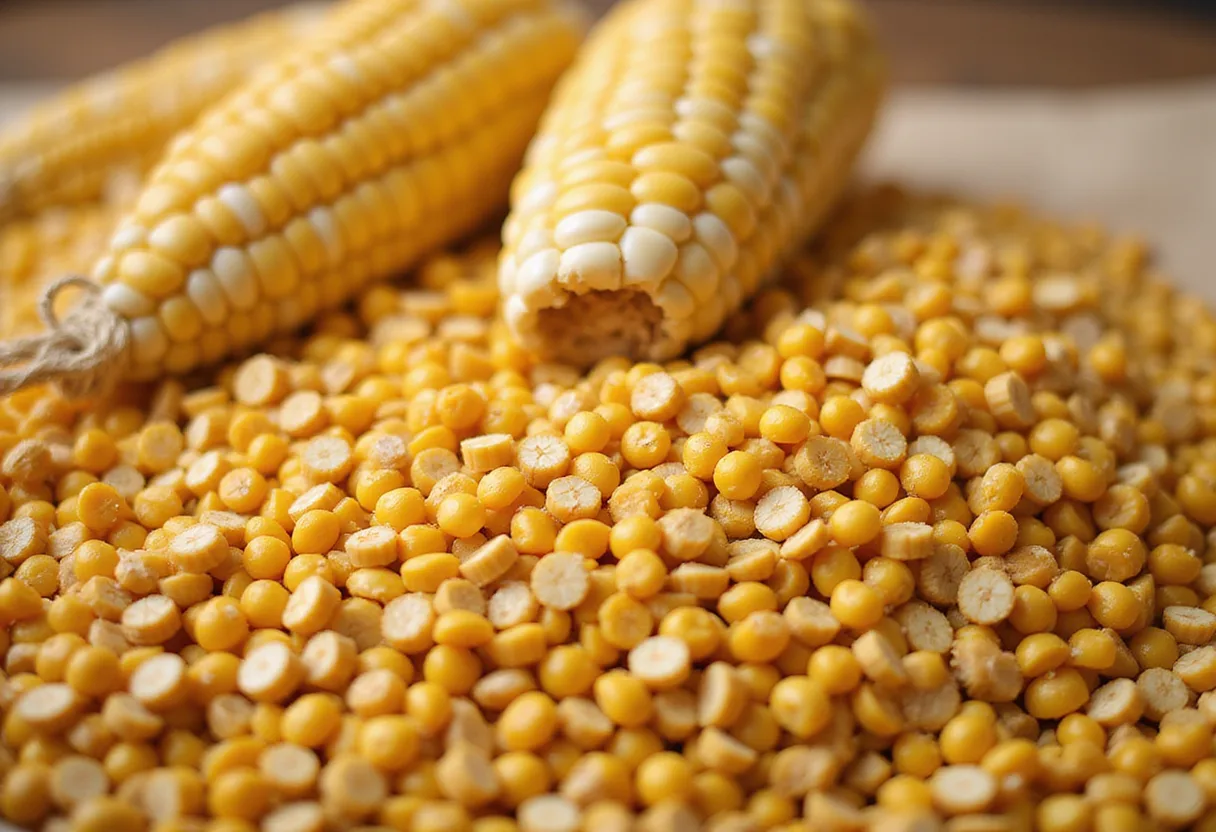
Cash bids for corn, soybeans and wheat tracked by USDA weakened across Midwest delivery points and Gulf export terminals, a tally by market-research firm IndexBox shows.
The summary flags broad-based pressure on interior and export-basis prices during the latest reporting window. Bids posted declines at country elevators, river terminals and processor locations throughout the Corn Belt, while Gulf export values slipped from prior-week levels. The IndexBox headline uses "mixed" to acknowledge that regional and commodity detail is uneven, even as the overall tone runs negative.
USDA's national grain-bid report aggregates cash prices collected from a network of elevators. The series covers processors, ethanol plants, river terminals and exporters, and the quotes stand separate from futures prices at the Chicago Board of Trade. Growers, merchandisers and elevators monitor the report as the primary reference for basis, the differential between local cash and nearby futures.
What a softer cash bid means for growers
A weaker cash bid, holding futures constant, widens the basis against the grower and reduces the net price received at the farm gate. For Midwest elevators and end users, lower bids typically reflect softer downstream demand, heavier nearby supply at the elevator, or both. The same pattern can also appear when barge or rail logistics improve and Gulf values pull away from interior levels.
The USDA daily report samples a subset of elevators in each region, so the series functions as a directional indicator rather than a comprehensive price-discovery mechanism. That distinction matters when growers compare bid sheets between elevators. Posted prices at individual facilities can vary meaningfully from regional averages, particularly during harvest when localized congestion pushes basis apart.
Gulf basis and the export channel
Lower bids at Gulf terminals reflect the export channel. The Gulf is the primary outlet for U.S. corn and soybean shipments to overseas buyers, and weaker Gulf bids can signal either abundant nearby supply at port or softer global demand, depending on the futures pattern during the same reporting window. Wheat bids follow a similar pattern, though Gulf wheat pricing is dominated by hard-red winter and soft-red winter movement rather than the soybean channel.
Export basis at the Gulf feeds back through barge and rail markets, lowering what interior elevators can offer farmers net of handling costs. A weaker Gulf quote thus pushes against grower price across the full elevator network, not just at port locations. For merchandisers, the relationship between Gulf bids and barge freight rates determines whether river terminals can compete with processors for nearby deliveries. When Gulf bids weaken faster than freight costs, terminal demand for bushels slows.
What the next report window shows
The direction will hinge on follow-on USDA export-sales data and weekly barge freight figures. IndexBox is expected to track the next reporting window, while the next USDA Agricultural Marketing Service update will reassess the basis picture once the current week's cash quotes are filed.
For a Midwest grower planning fall sales, the next round of cash-bid reports will matter more than the current one. Basis typically narrows when elevator receipts ease and widens when nearby deliveries spike, and the timing of the next USDA update will tell merchants whether the current softness extends or reverses.
via Google News: Grain prices (Source)
More from Grace Kim
Show full bio
Correspondent covering people, launches and day-to-day practice in Agribusiness coverage for industry professionals at Agribusiness Wire.
453 articles