Lot No. LOT-9185 · offered October 20, 2026
Seeds, Crop Protection & FertilizerLot sheet
University of Missouri Leads National Cover Crop Seed Research
The University of Missouri will lead national research supporting the U.S. cover crop seed industry, aiming to strengthen varieties, seed supply and production data for growers.
Market notes
- The University of Missouri will lead a national research program for the U.S. cover crop seed industry.
- The announcement came through the university's Show Me Mizzou news service.
- The program targets the cover crop seed pipeline, from varieties to supply, rather than immediate farm-gate changes.
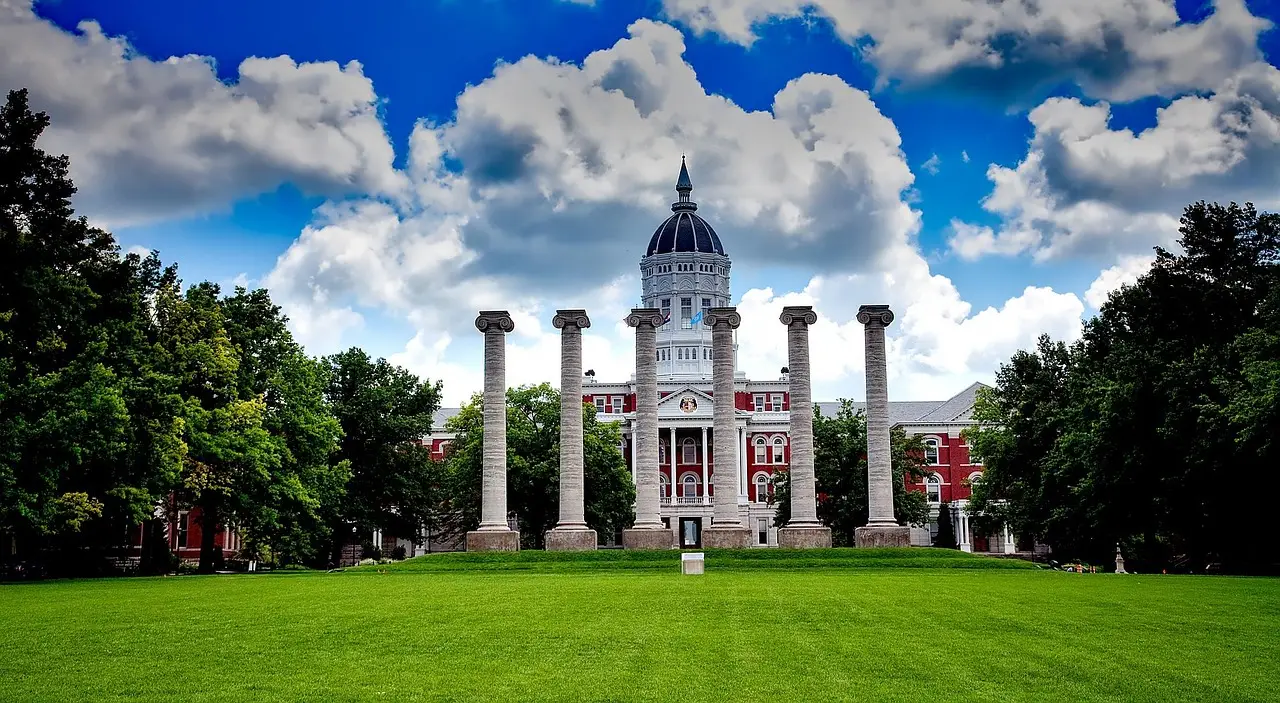
The University of Missouri will lead a national research program aimed at strengthening the U.S. cover crop seed industry, the university announced via its Show Me Mizzou news service.
That's the headline fact, and for growers it lands in a specific place: the seed bag. Cover crop adoption has stretched seed supply chains before, and varieties bred or selected outside a region's climate often disappoint in the field. A coordinated national research effort signals that public breeders and extension agronomists want to close those gaps — on germplasm, on seed production agronomy, and on the supply questions that follow demand spikes.
What does this change for growers?
In the near term, nothing at the farm gate. Research leadership announcements don't move basis, and they don't change this fall's cereal rye or radish seed prices. What they change is the pipeline. If the University of Missouri program delivers regionally adapted varieties and better seed-production data, the practical payoff shows up later as:
- More reliable germination and stand counts from seed produced under documented conditions
- Varieties matched to planting windows growers actually work with, not generic national recommendations
- A larger, more predictable domestic seed supply when adoption surges after drought years or new incentive programs
Why Missouri?
The university didn't detail its full rationale in the announcement, but the institution brings an agronomy program embedded in a state where row-crop rotation, livestock integration and conservation incentives overlap. Cover crop research at land-grant universities typically runs through field trials, extension networks and seed-industry partners — a structure that lets findings reach growers within a couple of seasons rather than a decade.
The announcement also fits the policy moment. Federal conservation programs have pushed cover crop acreage upward in recent years, and every new acre is a seed purchase. When public research supports the seed industry's production side, it works the same demand-side lever that subsidy programs pull — one from the agronomy end, one from the checkbook end.
What to watch
Growers and seed dealers should watch for three concrete outputs before treating this as more than an institutional press release:
- Named trial locations and cooperating states, which will show whose conditions the research actually represents
- Specific crops in the program — cereal rye, winter wheat, radishes, clovers and vetch each carry different seed-production economics
- A timeline for variety releases or production guidelines, and whether seed companies are formal partners rather than bystanders
Until those details appear, the story is a commitment, not a result. Condition-report logic applies to research programs the same way it applies to crops: an announcement is a planting-date record, not a harvested-yield record.
Still, the direction matters. Public investment in cover crop seed infrastructure tends to compound — better varieties lead to better stands, better stands build grower confidence, and confidence sustains the acreage that conservation programs pay for. The University of Missouri's program, if it delivers, becomes part of the input-cost equation for every grower weighing a cover crop against a fall tillage pass.
Expect the first measurable outputs — trial data, cooperating-state lists, seed-production protocols — to surface through Mizzou's extension channels and national research networks over the coming seasons.
via Google News: Seed industry (Source)
More from Nathan Brooks
Show full bio
Staff writer covering regulation, policy and their impact on Agribusiness coverage for industry professionals at Agribusiness Wire.
496 articles
Also in the yard
- USDA to Expand Seed Research, Partner With DOJ on Industry Probe
- University of Missouri Expands Ag Research with Four Facility Upgrades
- Seed Industry Pins Outlook on Farm Bill and Trade Policy
- U.S. Seed Costs Run Well Above Industry Claims, Analysis Finds
- Seed Trade Costs Climb Across U.S. Row-Crop Buying Cycle