Lot No. LOT-2184 · offered October 14, 2026
Farm MachineryLot sheet
U.S. and Canadian Farm Equipment Sales Slip in September
Combined farm equipment sales declined across the United States and Canada during September, according to News Dakota, extending a softer trend in North American machinery demand.
Market notes
- Combined farm equipment sales fell in the United States and Canada during September
- The September data comes from a News Dakota report on retail-level activity
- Dealers across the Midwest and Canadian Prairies report a wait-and-see posture from row-crop producers
- Smaller-horsepower and mid-range tractors have led the recent weakness
- October and November tallies will determine whether the trend deepens before year-end
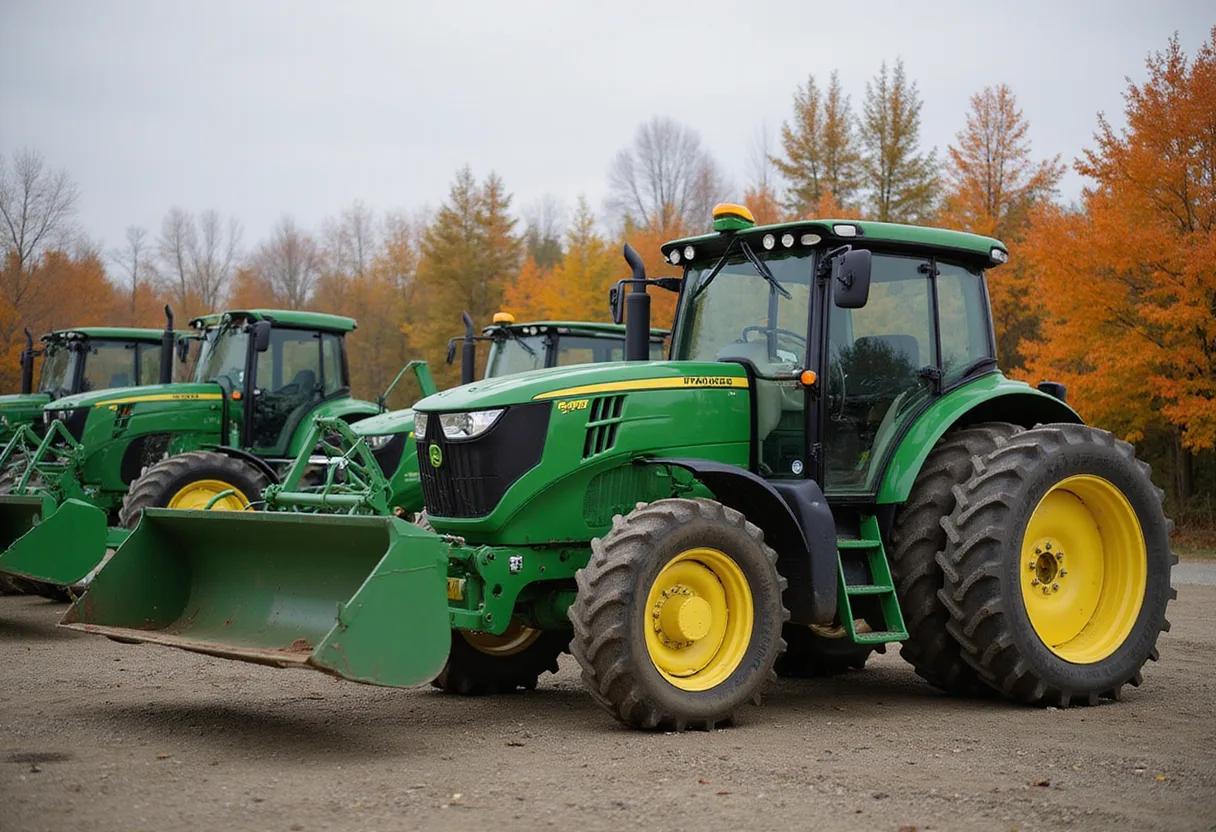
Combined farm equipment sales declined across the United States and Canada during September, according to a News Dakota report on industry tracking data. The monthly snapshot captures retail-level activity through dealer networks in both countries.
The September reading extends a softer trend that has weighed on North American machinery demand for much of the past year. Slumping grain prices, elevated input costs, and tighter farm margins have left many operators hesitant to commit to major capital purchases. Dealers across the Midwest and the Canadian Prairies have described a wait-and-see posture among row-crop producers.
Industry tallies on equipment sales typically break the data into tractor categories by horsepower, along with self-propelled combines and hay tools. Monthly comparisons between the current year and the prior year remain the standard benchmark for manufacturers, lenders, and growers drafting capital budgets. The September figures add another entry to that running series.
What does a monthly dip signal for farm finances?
Equipment purchases often serve as a proxy for confidence in the season to come. A decline in monthly sales usually reflects operators protecting cash for operating loans, land payments, and family living costs. Manufacturers respond by trimming production schedules, discounting remaining inventory, and offering attractive financing terms through their captive lending arms. Implement dealers, in turn, lean more heavily on parts and service revenue to absorb fixed costs.
Which categories tend to move first?
Smaller tractors under one hundred horsepower and mid-range utility machines have shown the most weakness in recent reporting cycles. Those units serve livestock operations, small acreage farms, and rural property owners, segments that respond quickly to changes in off-farm income and small-business credit conditions. Larger row-crop tractors and combines typically lag by one to two quarters because of longer planning cycles.
What should operators watch next?
The October and November tallies will determine whether the September figure marks a one-month pause or the start of a deeper contraction across the calendar year. Year-end tax planning, the Section 179 deduction cap, and movements in benchmark interest rates could all shift the trajectory before year-end. Any reading from the U.S. Department of Agriculture on net farm income, or any update from Statistics Canada on realized farm receipts, will give producers a clearer read on whether the demand pullback mirrors a margin pullback.
For now, the September data point reinforces what dealers have described on the lot floor. Growers are buying only what they need, and they are waiting for clearer signals on commodity revenue and input costs before placing larger orders.
via Google News: Farm equipment (Source)
More from Marcus Bennett
Show full bio
Senior reporter covering regulation, policy and their impact on Agribusiness coverage for industry professionals at Agribusiness Wire.
408 articles