Lot No. LOT-7591 · offered November 7, 2026
Seeds, Crop Protection & FertilizerLot sheet
Tank-Mix Trouble: Clethodim Plus 2,4-DB Cuts Grass Control Up to 15%
2,4-DB plus clethodim cuts grass control 8-15% half the time; Georgia and NC State weed specialists lay out separation windows, drought effects and at-risk species.
Market notes
- 2,4-DB tank-mixed with clethodim (Select) reduces grass control 8-15% about 50% of the time, per UGA's Dr. Eric Prostko.
- Clethodim mixed with imazapic (Cadre) cuts grass control 10-25%.
- Separate POST passes: wait 3 days after a grass herbicide, 5-7 days after a broadleaf herbicide.
- Target weeds under four inches tall for reliable postemergence control.
- Goosegrass is the most antagonism-prone grass weed in the South, Prostko says.
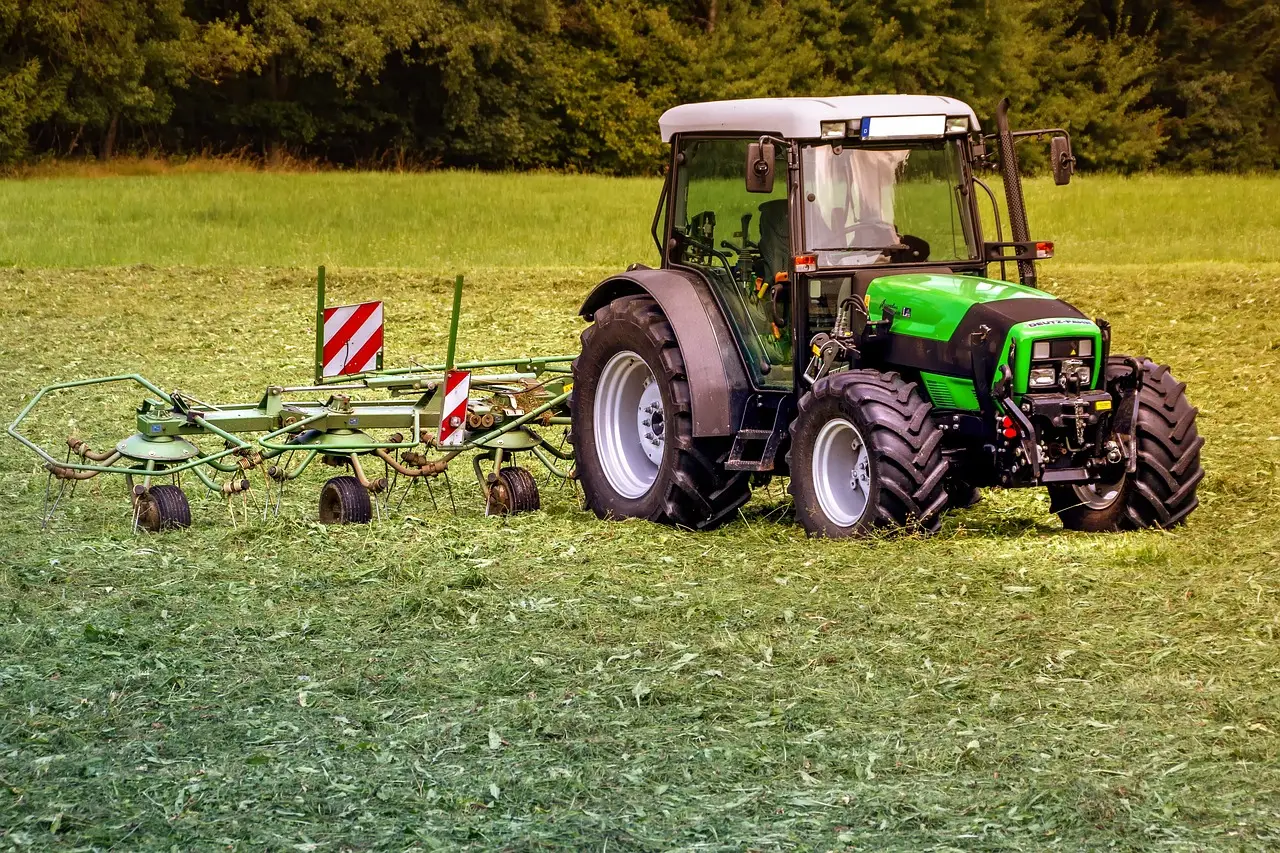
Mixing 2,4-DB with clethodim (Select) can cut grass control by 8% to 15% about half the time, according to University of Georgia Extension weed specialist Dr. Eric Prostko. Pair clethodim with imazapic (Cadre) instead, and grass control can drop 10% to 25%. Those two figures frame a problem Southeastern growers know well: herbicide antagonism, where a tank mix delivers worse weed control than each product sprayed alone.
"We've known about antagonism for a really long time," Prostko notes. "But it's a very common problem today because of the need to reduce trips over the field and to ultimately save money."
Prostko and North Carolina State Extension weed specialist Dr. Charlie Cahoon say the fix is straightforward in principle: separate postemergence grass and broadleaf applications, or research a tank mix before it goes in the sprayer.
What actually happens in the tank and the field?
"Antagonism can happen in the tank or in the field," Prostko explains.
In the tank, incompatible herbicides and other pesticide products can form a sludge that clogs the sprayer. Cleaning comes first. No spraying until it's done.
In the field, the mechanism differs. Contact broadleaf herbicides likely block systemic grass herbicides from entering grass weeds and moving through the plant. The grass stands tall after the pass.
Both specialists flag a longer-term risk: antagonism could, in theory, drive herbicide resistance, because grass weeds take non-lethal doses. More research is needed on the mechanisms and the resistance risk. Neither scientist claims that case is closed.
How do growers reduce antagonism risk?
Cahoon and Prostko point to four critical factors: application timing, separating postemergence passes, drought, and the tank mix itself.
Start with a residual preemergence. A PRE program that targets both broadleaf and grass weeds suppresses early flushes. Skip the grass component, and grasses reach an uncontrollable size before the POST pass. "The best way to mitigate POST issues is by having a great PRE," Cahoon says. Prostko adds that postemergence herbicides should hit weeds before they exceed four inches tall.
Expect more antagonism in drought. Drought affects adsorption, where molecules adhere to the leaf surface, and translocation, the process that circulates substances through plant tissue. A grass weed that isn't growing won't absorb and move a systemic herbicide. "Drought greatly exacerbates the issue of antagonism," Cahoon emphasizes.
Separate the passes. Prostko advises growers who spray a grass herbicide first to wait three days before returning with broadleaf products. Spray the broadleaf herbicide first, and wait five to seven days before the grass product.
Bump the rate — sometimes. Increasing the grass herbicide rate within the on-label range can occasionally overcome antagonism in a broadleaf-grass mix. The pair warn it won't always work, especially on large grasses.
Which tank mixes carry the risk?
The odds vary by product, spray timing and target weed. Prostko's documented cases:
- 2,4-DB plus clethodim (Select): 8% to 15% grass control reduction about 50% of the time
- Clethodim (Select) plus imazapic (Cadre): 10% to 25% grass control reduction
"The best thing we can do is make growers aware," Prostko says. "Then they can make their own decision whether that's something they are willing to risk."
Untested combinations abound. Prostko has seen tank mixes with as many as seven products. Growers commonly combine herbicides, fungicides and insecticides — before counting fertilizers, adjuvants or biologicals. His advice: read the labels for tank-mix instructions and call the local Extension weed specialist or ag retailer, who can sometimes jar-test compatibility before the mix reaches the sprayer.
"It's important for growers to check with whoever they work with and get as much information as they can about the potential pitfalls of tank mixes," Prostko concludes. "And proceed with caution when you're tank mixing multiple products."
The factors compound. A skipped preemergence residual lets grasses germinate; antagonistic mixes and drought then produce tall, uncontrollable weeds. "Be proactive, not reactive," Cahoon encourages.
Which grasses are most exposed?
Species especially prone to antagonistic tank mixes include goosegrass, broadleaf signalgrass, junglerice, Italian ryegrass and Texas panicum. "Goosegrass is public enemy number one for antagonism right now in the South," Prostko remarks.
Cahoon has observed a pattern from his Extension career: grasses that are hard to control with glyphosate alone seem especially prone to antagonism when glyphosate is tank-mixed with dicamba or 2,4-D.
He expects the problem to grow. "As we continue to add herbicide-resistant traits to crops, we're going to have the ability to make more tank mixes, and we're going to figure out the species where we have [antagonism] problems," Cahoon explains. For growers planning next season's spray program, that means documenting mix performance now, before the trait expansion multiplies the number of untested combinations in the tank.
via growiwm.org (Original)
More from Nathan Brooks
Show full bio
Staff writer covering regulation, policy and their impact on Agribusiness coverage for industry professionals at Agribusiness Wire.
525 articles