Lot No. LOT-5545 · offered November 5, 2026
Trade & ExportsLot sheet
Southern Russia Grain Prices Fall Below Central Regions as Black Sea Exports Collapse
Russia's October 2026 seaborne grain exports fell to 2.3 mln tons, three times below last year, as Azov-Black Sea shipments collapsed and southern farm prices sank under production costs.
Market notes
- October 2026 seaborne grain exports: ~2.3 mln tons, three times less than a year earlier
- Azov-Black Sea shipments fell from 5.38 mln tons to 130,500 tons; share of exports dropped from 71.6% to 5.5%
- Baltic ports' share rose to 65.3% of seaborne grain exports
- SovEcon's Sizov: prices remain tens of percent below production costs after August–September 2026 plunge
- Southern farmers now receive lower prices than central Russia and Volga region growers
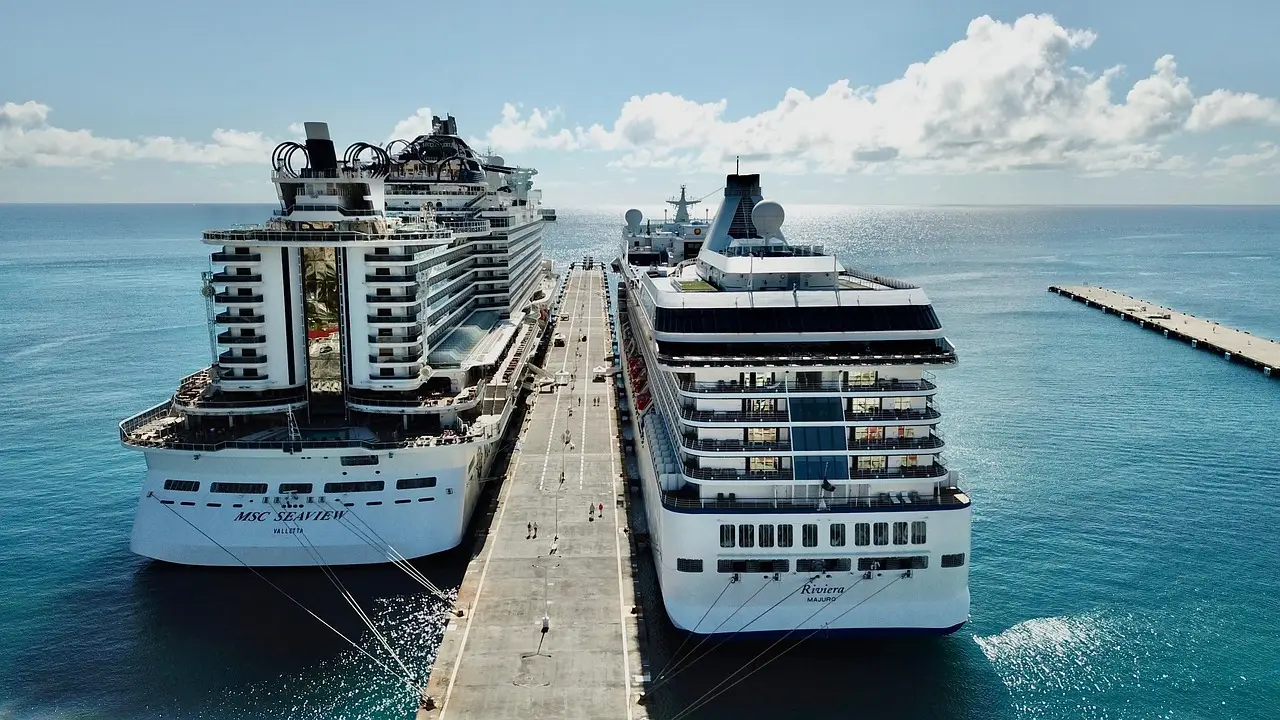
Russia exported roughly 2.3 million tons of grain through its ports in October 2026 — three times less than a year earlier — as disruptions in the Azov-Black Sea basin collapsed southern export volumes and dragged domestic prices in the country's most productive farming regions below those inland.
Shipments through the Azov-Black Sea basin fell from 5.38 million tons a year earlier to just 130,500 tons, according to UkrAgroConsult, citing a Financial Times report based on grain market participants. The basin's share of total seaborne grain exports dropped from 71.6% to 5.5% in a single year.
Baltic ports absorbed the difference, raising their share to 65.3% of seaborne grain exports. Their capacity and railway infrastructure cannot fully compensate for the loss of the southern routes.
Why are southern farmers hit hardest?
Producers in southern Russia traditionally enjoyed the most favorable selling conditions because of proximity to seaports. That advantage has inverted. Farmers in the south now receive lower grain prices than growers in central Russia and the Volga region, which retain access to functioning export routes.
SovEcon Managing Director Andrey Sizov said domestic grain prices plunged sharply in August–September 2026 due to disruptions at ports in the Azov-Black Sea basin. Despite a partial recovery since, prices remain tens of percent below production costs, Sizov said.
The south, Russia's traditional grain belt, has lost the ability to move crops quickly through nearby export terminals. Redirecting flows to distant Baltic ports raises logistics costs, which ultimately land on producers and widen the gap between export and domestic prices.
What forces farmers to sell at a loss?
Low procurement prices put direct financial pressure on Russian growers. Many cannot afford to store grain and wait for better conditions because they need cash for:
- winter crop planting
- loan repayments
- wages
- operating expenses
The result: farmers sell at prices that fail to cover production costs. Each sale deepens the working-capital shortfall heading into the next season.
What does this mean for next season?
Continued restrictions on Black Sea exports threaten more than farm incomes. A shortage of working capital makes it harder for producers to buy seeds, fertilizers and other inputs required for field operations, putting grain production prospects for the next season at risk.
The squeeze compounds through the supply chain. Higher logistics costs to distant ports cut into already negative margins, while the loss of the south's freight advantage erodes the basis that historically rewarded proximity to terminals.
Unless Black Sea export capacity returns, southern Russia faces a season of planted-area cuts and reduced input purchases, with farmers selling below cost simply to keep operating.
via Google News: Grain prices (Source)
More from Grace Kim
Show full bio
Correspondent covering people, launches and day-to-day practice in Agribusiness coverage for industry professionals at Agribusiness Wire.
453 articles
Also in the yard
- Russian Grain Flows Shift to Baltic Ports, Wheat Markets Face New Risks
- Black Sea Blockade Could Add $60 Billion to Global Food Costs
- Russian Black Sea Grain Exports Halt After Ukrainian Port Strikes
- Russia Could Restore 80% of Black Sea Grain Exports If Attacks Halt
- Ukraine war chokes off Black Sea grain exports, lifting prices