Lot No. LOT-8163 · offered November 20, 2026
Agricultural PolicyLot sheet
SNAP Lawsuit Puts $96 Billion Food Program Back on Produce Growers' Radar
Seventeen SNAP recipients and a convenience-store group sued USDA to void food-restriction waivers in 18 states, testing a $96 billion program produce growers call farm policy.
Market notes
- SNAP delivered nearly $96 billion to about 42 million people monthly in fiscal 2025.
- Meyer v. Rollins, filed Nov. 18, seeks to vacate waivers in 18 states; USDA has approved 23 since May 2025.
- GusNIP generated an estimated $128 million in local economic impact, including $48 million at farm-direct sites.
- CDC: about 1 in 10 adults eats enough vegetables; about 4 in 10 have obesity.
- Neither House nor Senate farm bill versions authorize states to align SNAP with nutrition goals.
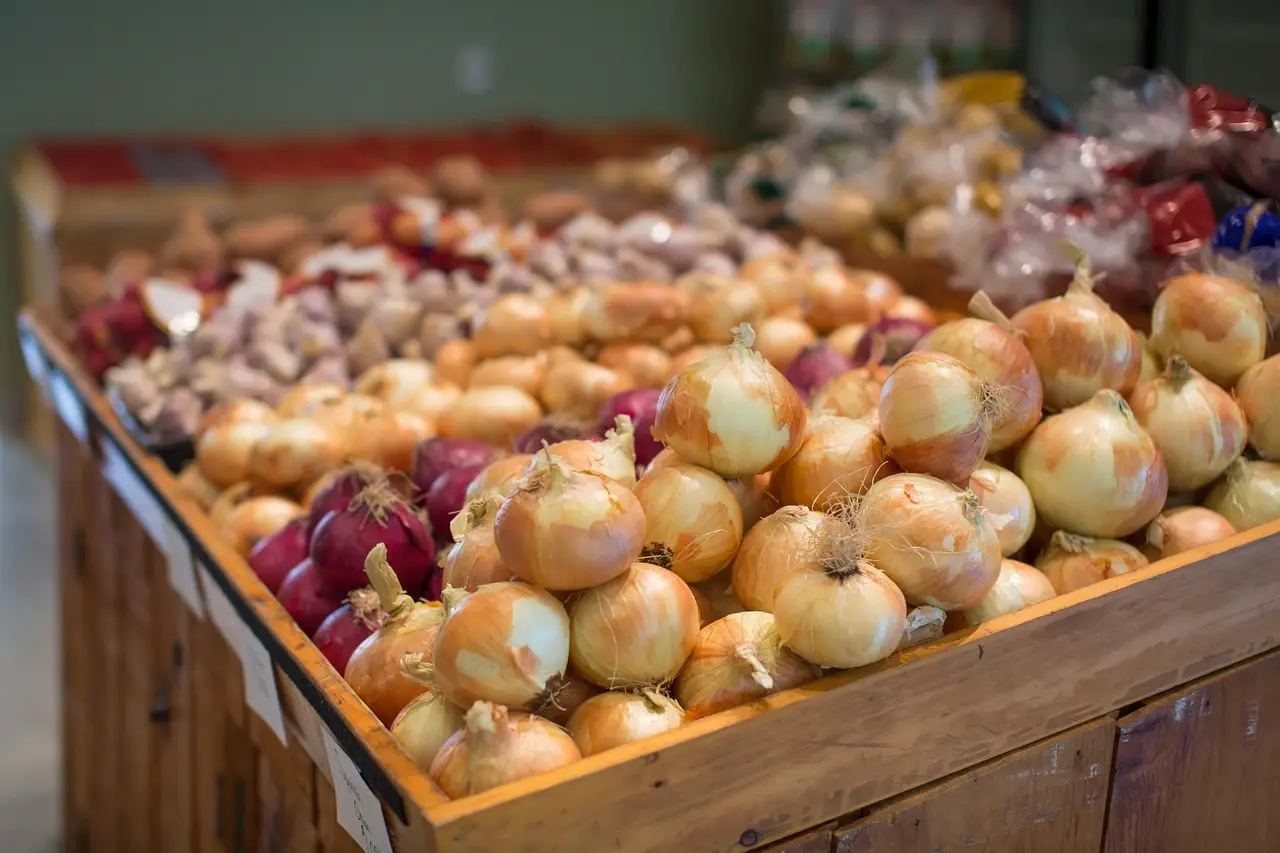
Nearly $96 billion flowed through SNAP to about 42 million people each month in fiscal 2025 — and a federal lawsuit filed this week in Washington could redirect how a share of that money moves through the food system. A group of 17 SNAP recipients and the South Carolina Convenience & Petroleum Marketers Association sued USDA on Nov. 18 in Meyer v. Rollins, asking the court to vacate SNAP food-restriction waivers in 18 states and bar USDA from approving new ones under 7 U.S.C. § 2026(b).
Since May 2025, USDA has approved 23 such waivers. Indiana's, covering soft drinks and candy, took effect Jan. 1. The new complaint follows a June ruling in Aragon v. Rollins, in which a federal judge vacated waivers in five other states, holding that Section 2026(b) authorizes projects to run SNAP more efficiently, not to improve recipients' health. USDA has appealed. Meyer aims to take that reasoning nationwide.
What does this change for growers?
Lori Taylor, founder and CEO of The Produce Moms, an Indiana-based woman- and mom-owned produce marketing company, argues the industry treats SNAP as nutrition policy when it is also demand policy. "Every dollar steered toward produce is new demand for fruit and vegetable growers," she wrote in an opinion piece this week. "SNAP is farm policy."
The demand stakes are large by any measure. The CDC reports only about 1 in 10 adults eats enough vegetables, and about 1 in 8 eats enough fruit. About 4 in 10 adults have obesity, and heart disease remains the leading cause of death in America. Research published in JAMA Network Open found more than half of adult SNAP participants had poor diets — a burden Taylor argued is a reason to make each SNAP dollar work harder for health and for the farmers growing that food.
USDA's own grocery data complicates the picture: soft drinks ranked as the No. 1 item SNAP households bought. Non-SNAP households were not far behind, which frames the issue as an American consumption problem rather than a program-specific one. Still, a taxpayer-funded nutrition program nudging families toward better choices is the operative argument.
A proven template already exists
The Gus Schumacher Nutrition Incentive Program, GusNIP, delivered concrete numbers in its latest reported year:
- $62 million in fruit and vegetable incentives and produce prescriptions
- More than 5,500 participating sites
- An estimated $128 million in local economic impact, including $48 million tied to farmers markets and farm-direct outlets
- Participants reported eating more produce and feeling more food secure
The Aragon court also pointed to Section 2026(k), the provision Congress wrote to test ways SNAP can improve diets. It authorizes fruit and vegetable incentives at checkout, SNAP access at farmers markets, stronger healthy-food stocking standards for retailers, and nutrition education. Taylor called it "a produce agenda hiding in plain sight."
Taylor's sharpest criticism landed on the industry itself. Convenience stores sell fruits and vegetables too, she noted, yet their trade group joined a lawsuit to keep soda and candy flowing through SNAP. "If we don't help write the rules for a $96 billion program, someone else will, and they won't write them for produce," she wrote.
The farm bill clock is running
Washington need not wait on the courts, Taylor argued. Farm bill negotiators are racing to finish before year's end. Her asks are specific: Congress should clearly authorize states to align SNAP with nutrition goals, with a workable medical-needs process — neither the House-passed farm bill nor the Senate Agriculture Committee's version does that today. Congress should finish reauthorizing GusNIP, which both bills include, and fund it to meet demand. USDA should deploy the Section 2026(k) tools Congress already wrote, with fruit and vegetable growers at the table as projects are designed. Growers and fresh-produce groups, she added, should weigh in with the House and Senate Agriculture committees now.
With the appeal pending and the farm bill window closing, the produce sector faces a narrow opening to convert a $96 billion program's purchasing power into structural demand.
via Agri-Pulse (Source)
More from Marcus Bennett
Show full bio
Senior reporter covering regulation, policy and their impact on Agribusiness coverage for industry professionals at Agribusiness Wire.
496 articles
Also in the yard
- Farm Bill Expires as Colorado Families Face SNAP Changes
- Advocates Renew Push to Protect SNAP Funding in Farm Bill Talks
- Farm Bills Diverge on SNAP Cost-Sharing, Loans and Tobacco
- Kansas Growers Frustrated as 'Farm Bill 2.0' Stalls in Congress
- Farm Bill Stalls Over SNAP Fight as Illinois Counties Show Stakes