Lot No. LOT-6460 · offered September 28, 2026
Agricultural PolicyLot sheet
Senate Farm Bill Stalls, Leaving Growers in Policy Limbo
The Senate failed to advance the farm bill, leaving growers without updated commodity, insurance and conservation support. Farm Bureau says farmers are left waiting as margins tighten.
Market notes
- The Senate failed to advance the farm bill, according to the American Farm Bureau Federation
- Growers remain under programs with reference prices and parameters set in a previous farm economy
- The path forward requires renewed Senate action plus a compatible House bill and conference agreement
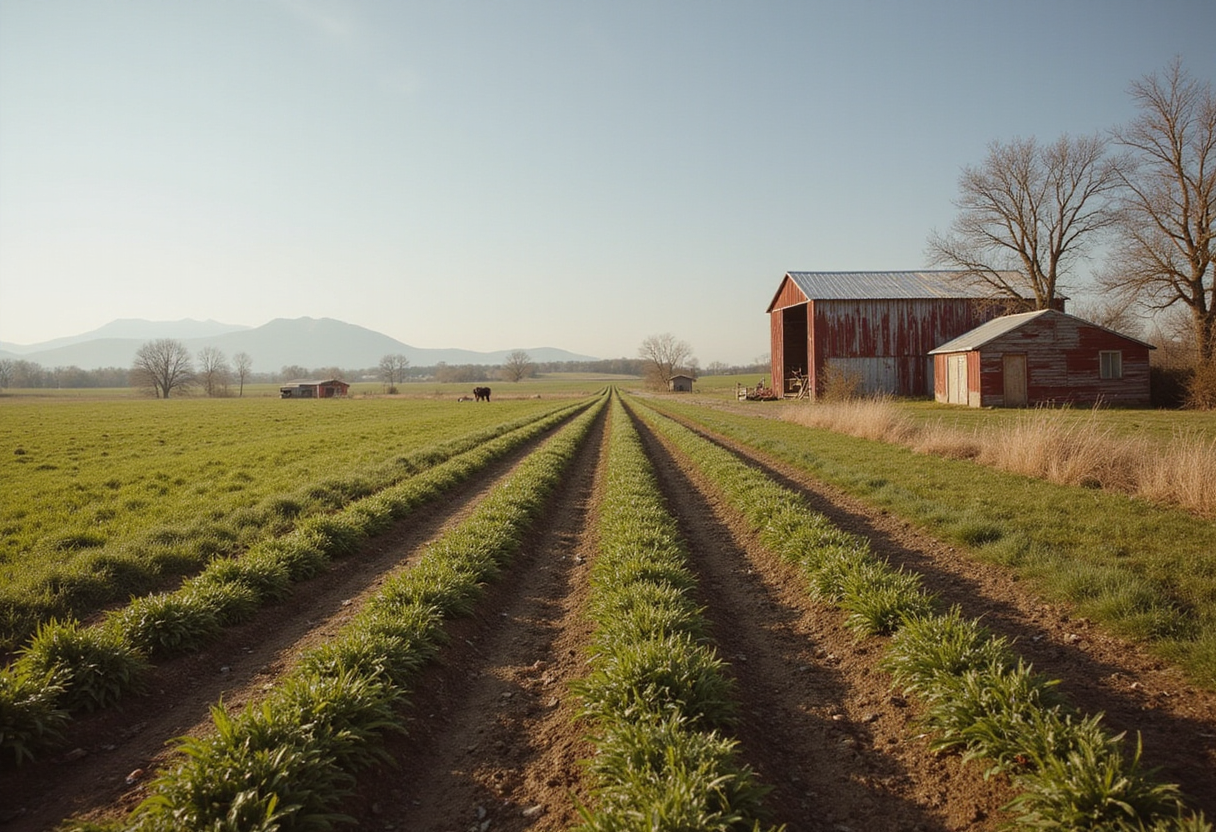
The Senate has failed to advance the farm bill, leaving American growers without an updated framework for commodity support, crop insurance and conservation programs and extending a policy vacuum that farm groups have warned about for months.
The American Farm Bureau Federation, which reported the development, framed the outcome bluntly: farmers are left waiting. The procedural breakdown means the chamber could not muster the support needed to move the legislation forward, and with no timeline for a renewed attempt, the sector faces continued reliance on outdated statutory reference prices and program parameters written in a previous farm economy.
That delay carries real margin consequences. Commodity programs, disaster assistance and crop insurance provisions in a new bill were positioned to reflect input costs that have risen sharply since the last authorization. Every month the legislation stalls, growers operating on thin working capital must plan planting, marketing and financing decisions against benefit levels and coverage structures that no longer match their cost structure.
The political mechanics behind the failure matter for what comes next. Farm bills historically require bipartisan coalitions that bridge regional commodity interests, nutrition program funding and conservation priorities. When a floor vote or cloture attempt collapses, it typically signals that coalition has fractured — most often over the nutrition title, subsidy payment limits, or overall spending levels. Rebuilding that coalition in a compressed legislative calendar becomes progressively harder, raising the likelihood of a short-term extension rather than a full reauthorization.
For growers, an extension is not neutral. It preserves existing programs at current statutory levels but forfeits the improvements — updated reference prices, expanded insurance options, stronger disaster tools — that commodity organizations spent the current cycle lobbying for. It also leaves administrative agencies without new direction on conservation program funding, which affects growers排队ing for popular initiatives that have historically been oversubscribed.
Lenders and grain merchandisers will read the failure as a signal too. Farm operating credit lines and marketing plans already assume a level of federal program support; prolonged uncertainty complicates both underwriting and basis behavior in regions where program payments represent a meaningful share of net farm income.
The House side of the equation remains part of the path forward. Any final reauthorization requires both chambers to pass compatible legislation and reconcile differences in conference. A Senate that cannot advance its own text makes that sequencing substantially more difficult, whatever the House has done or plans to do.
Farm Bureau's characterization — farmers left waiting — is also a warning about the constituency watching the clock. Producers make planting, input purchasing and land rental decisions months ahead of harvest. Each legislative delay compresses the window in which new program parameters could actually influence those decisions, meaning even a bill passed late in the cycle may arrive too late to change behavior for the current crop year.
The next concrete indicators to watch are whether Senate leadership schedules another attempt at floor consideration, whether a stopgap extension moves ahead of any program lapse, and how quickly farm organizations escalate pressure on both parties to restore a workable bipartisan bargain.
via Google News: Farm bill and ag policy (Source)
More from Grace Kim
Show full bio
Correspondent covering industry trends and analytics at Agribusiness Wire.
159 articles