Lot No. LOT-7448 · offered November 17, 2026
Agricultural PolicyLot sheet
Senate Advances Permitting Bill 73-25; Corn Growers Push E15 and Farm Bill
Senate advances permitting bill 73-25; corn growers demand E15 and farm bill action; Senate Ag weighs USDA trade nominee; Commerce duties threaten dairy feed margins.
Market notes
- Senate voted 73-25 Monday to advance the Bipartisan American Affordability and Jobs Act permitting reform bill.
- House passed stand-alone E15 legislation in May; E15 is in the Senate Ag Committee farm bill approved in September.
- Senate Ag Committee meets Nov. 10 at 11:45 a.m. EST on Greg Ibach for USDA trade undersecretary and three FCA nominees.
- Government funding authorization expires Dec. 11, with a continuing resolution the likely lame-duck product.
- Commerce declined to exclude high-palmitic C16 fatty acids from duties on Indonesian and Malaysian imports, raising dairy feed costs.
The Senate voted 73-25 late Monday to advance the Bipartisan American Affordability and Jobs Act, teeing up a permitting reform bill backed by President Donald Trump for full Senate consideration as soon as this week.
The bill would revamp a permitting process that critics from both parties say has produced unacceptable delays for infrastructure and energy projects. "Communities nationwide have waited in regulatory limbo for roads, bridges, energy infrastructure, manufacturing facilities and other investments that create jobs and strengthen local economies," Senate Environment Chair Shelley Moore Capito, R-W.Va., said Monday before the vote.
What does the lame duck hold for E15 and the farm bill?
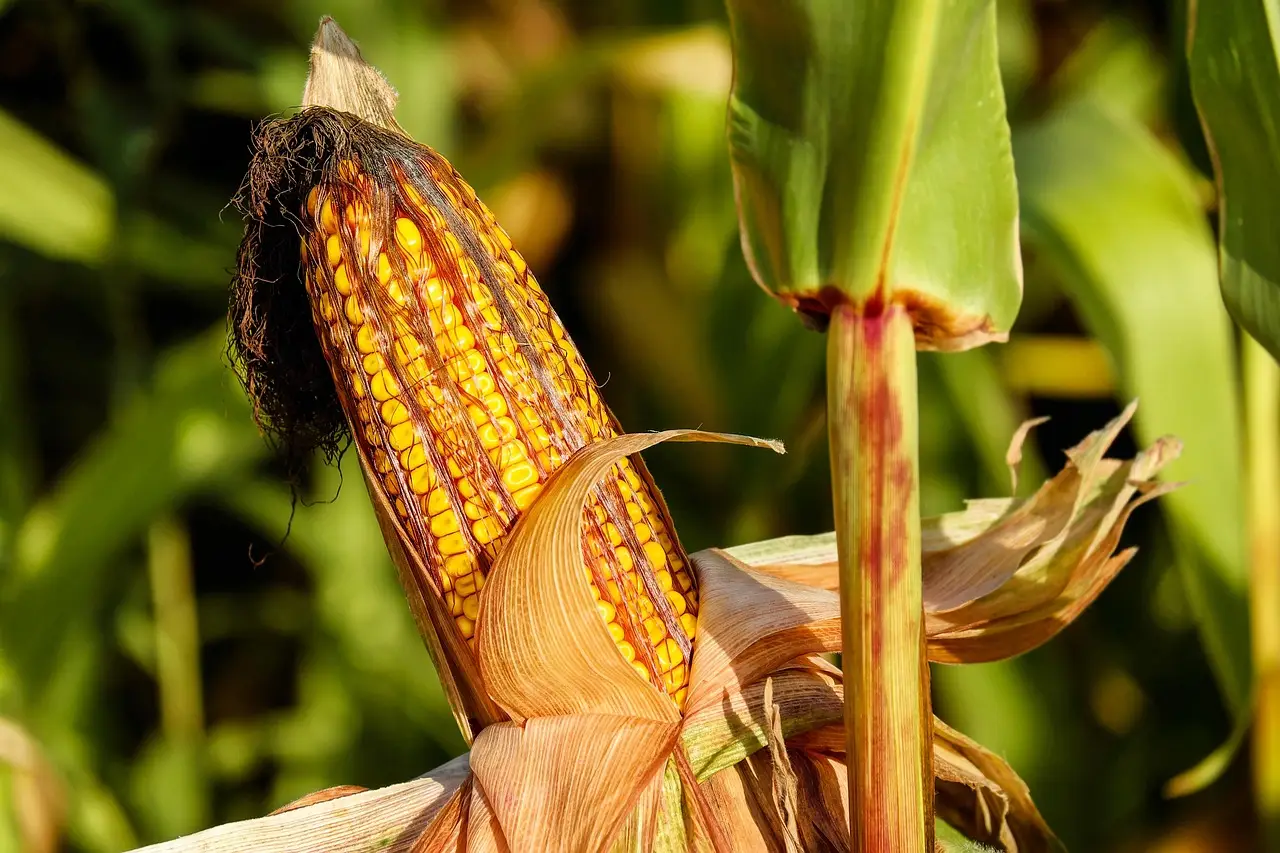
The National Corn Growers Association wants Congress to "act immediately" on pending legislation allowing year-round, voluntary U.S. sales of E15, the higher ethanol-fuel blend. Matt Frostic, NCGA president, made the case Monday as lawmakers reconvened on Capitol Hill for the first time since Democrats won big majorities in the House and Senate.
"Such a move would help lower gas prices, bolster the rural economy and help reduce greenhouse gas emissions," Frostic said.
Democrats don't take over until early January, but their decisive wins in states like Texas give them leverage now. How E15 and the farm bill move through the lame-duck session remains unresolved.
The corn lobby is also pressing for swift farm bill passage, backing legislation that would make "USDA programs more effective, efficient and responsive through policy enhancements."
Senate Republican Leader John Thune, R-S.D., says he wants a farm bill finished before the new Congress starts next year. Passage hinges on how the session shapes up.
The procedural path is partially laid:
- E15 is included in the farm bill the Senate Ag Committee approved in September.
- The House passed stand-alone E15 legislation in May.
- Congressional ag leaders now aim for a bipartisan deal that includes E15 and can pass this year.
A sticking point: the House and Senate ethanol measures differ on changing federal rules for exempting certain small oil refiners from national biofuel-blending mandates. Those proposals have prompted some petroleum groups to reject the bills.
Overcoming that opposition will be challenging. Still, agriculture policy watchers are optimistic legislation can pass by year's end.
"We hope Congress will ignore the many distractions that are so prevalent during lame-duck sessions and demonstrate that they are here to make a difference for the American people," Frostic says. "Farmers cannot afford further delay."
Rep. Frank Lucas, R-Okla., a former House Ag Committee chair, agrees. "It needs to happen," Lucas told Agri-Pulse. "Besides, if you're a Democrat, you don't want all of this stuff fermenting on the sidewalk. You want to start with a clean agenda."
Sarah Binder, a political science professor at George Washington University, is less sanguine. A farm bill in the lame duck is possible, she says, but the more likely scenario puts it off until 2027.
"I'm prone to see deadlock," Binder said Monday in a Brookings Institution talk.
A 'do little' session?
The one thing Congress might accomplish, according to Binder, is a continuing resolution keeping the government funded after Dec. 11 — when current authorization expires — through sometime next year.
"They don't have an agreement on how much defense and nondefense to spend yet, so they're stalemated," she said. "More likely, they kick the can."
It's likely to be a "do little" lame duck, she added.
Senate Ag takes up trade undersecretary, FCA nominees
The Senate Ag Committee meets today to consider a slate of Trump administration nominees:
- Greg Ibach, for USDA trade undersecretary — an agricultural policy consultant who previously served as USDA undersecretary for marketing and regulatory programs and as director of the Nebraska Agriculture Department.
- Carl Bednarski, a Michigan farmer, for the Farm Credit Administration.
- John Grunewald II, former president and CEO of Farm Credit of Western Oklahoma, for the FCA.
- James Russell Middleton, former associate director of FCA's office of congressional and public affairs and former Democratic House Ag Committee staffer, for the FCA.
The hearing starts at 11:45 a.m. EST in room 106 of the Dirksen Senate Office Building.
Commerce declines to shield dairy feed ingredient from duties
The National Milk Producers Federation is disappointed the Commerce Department opted not to exclude high-palmitic fatty acids from antidumping and countervailing duties on certain fatty acids from Indonesia and Malaysia.
The duties on C16 fatty acid could hit dairy cattle feed costs hard, Shawna Morris, NMPF's executive vice president of trade policy and global affairs, said in a statement to Agri-Pulse.
"Feed is already the largest single expense on a dairy farm, and farmers cannot pass rising costs along," Morris said. "These are specialized feed ingredients that aren't made here and have no domestic equivalent. Duties on them come straight out of dairy farmers' already narrow margins. We'll keep pressing Commerce to get this right before the final determination."
Sen. Jim Justice, R-W.Va., framed the stakes for crop producers in the farm bill fight: "Right now, you've got a family standing on their front porch selling their dishes. … They really don't know what to do, and they're really hurting and they're upside down. And if we don't stand up for them … what's wrong with us? … We've just got to get it done somehow."
The week ahead — a Senate floor vote on permitting, an ag nominee hearing and a Dec. 11 funding deadline — will show whether the lame duck delivers or stalls.
via epw.senate.gov (Original)
More from Nathan Brooks
Show full bio
Staff writer covering regulation, policy and their impact on Agribusiness coverage for industry professionals at Agribusiness Wire.
576 articles
Also in the yard
- Sen. Fischer Pushes Farm Bill Passage With Year-Round E15 Included
- Thune Predicts Farm Bill Passage with E15 Mandate Inside
- US Senate Advances Farm Bill 2.0, Year-Round E15 in Focus
- Nebraska Senator Presses to Keep E15 Provision in Farm Bill
- Boozman Pushes Farm Bill Deal as Window Narrows Before January