Lot No. LOT-8403 · offered September 29, 2026
Agricultural PolicyLot sheet
Ricketts: Farm Bill Vote Before Midterms Appears Unlikely
Sen. Pete Ricketts of Nebraska says a farm bill vote before the 2026 midterms looks unlikely, leaving commodity programs and crop insurance running on extended 2018-law authority.
Market notes
- Sen. Pete Ricketts (R-Nebraska) says a farm bill vote before the midterm elections looks unlikely
- The 2018 farm bill's programs continue operating under extended authority pending reauthorization
- Midterm elections are scheduled for November 2026, constraining remaining floor time for the bill
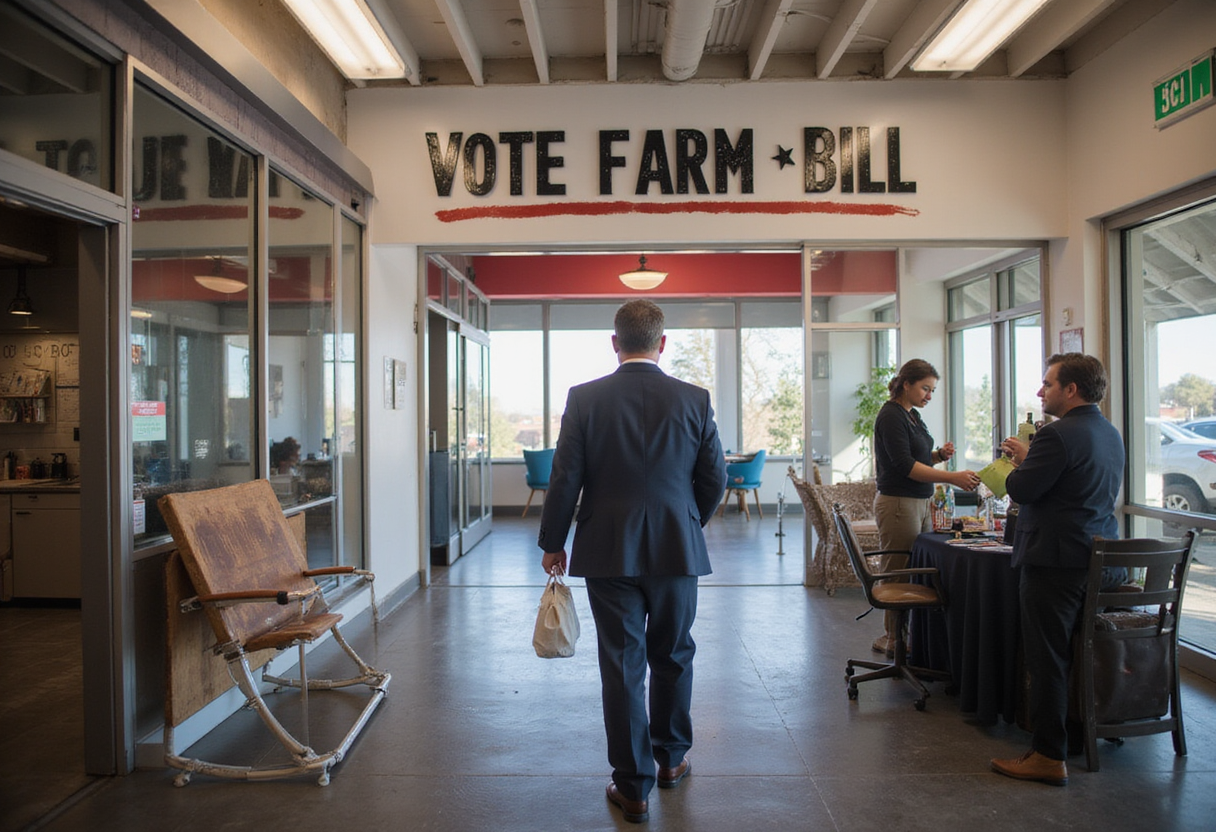
Sen. Pete Ricketts of Nebraska says a farm bill vote before the 2026 midterm elections looks unlikely, extending an authorization lapse that has now run well past the expiration of the 2018 law.
Ricketts delivered the assessment in remarks reported by klin.com, becoming the latest lawmaker to acknowledge that the calendar is closing on prospects for a full five-year reauthorization on Capitol Hill. His comments carry weight in farm country: Nebraska ranks among the top states for corn, soybean, cattle and ethanol production, and its operators have watched reference prices, crop insurance terms and conservation program funding ride on a bill that Congress has repeatedly failed to finish.
The statement matters for growers planning input purchases and marketing decisions. Each month without a new bill leaves commodity programs operating on extended authority, with support levels tied to statutory reference prices that farm groups argue no longer cover modern production costs for corn, soybeans, wheat, cotton, rice and dairy. Lenders and cooperative merchandisers have flagged the uncertainty as a factor in cash-flow projections, even as strong basis in some regions has cushioned margins.
Ricketts did not offer a new timeline in the reported remarks. His assessment aligns the Senate with the reality confronting farm bill negotiators in both chambers: a crowded legislative docket, a presidential election year behind them and a midterm year ahead, when floor time for a multi-hundred-billion-dollar authorization becomes scarce. Historically, farm bills that slip past an election cycle land in the following year, often after an economic shock forces action.
For input makers and ag retailers, the delay holds implications for demand planning. Conservation title dollars flow through the Natural Resources Conservation Service to seed, nutrient management and drainage spending; energy title programs underpin renewable diesel and ethanol infrastructure. A stalled bill leaves those funding streams running on continuing patterns rather than expanded baselines.
Grower organizations have pressed for a five-year bill with higher reference prices and stronger crop insurance, warning that continuing resolutions freeze support while input costs keep moving. Ricketts's assessment suggests those groups should budget for at least several more months under current law.
The midterm elections fall in November 2026. If Ricketts is right, farmers, lenders and cooperatives will plan another planting and marketing cycle under the old framework, with reauthorization pushed toward the next Congress and a post-election session that could stretch into 2027 before a new bill reaches the president's desk.
via Google News: Farm bill and ag policy (Source)
More from Grace Kim
Show full bio
Correspondent covering industry trends and analytics at Agribusiness Wire.
159 articles