Lot No. LOT-9130 · offered September 26, 2026
Crop EconomicsLot sheet
Rain Keeps North Iowa Combines Parked; Soybean Losses a Worry
Persistent rain will keep Winnebago County, Iowa grower Mike Yegge out of the field into early October, raising concerns about soybean losses.
Market notes
- Mike Yegge, a corn and soybean grower in Winnebago County, Iowa, expects rain to keep him out of the field through at least the first few days of October.
- As of Friday, Yegge reported rain in the forecast for the next week, putting harvest on hold.
- The extended wet weather raises concerns about losses in the standing soybean crop.
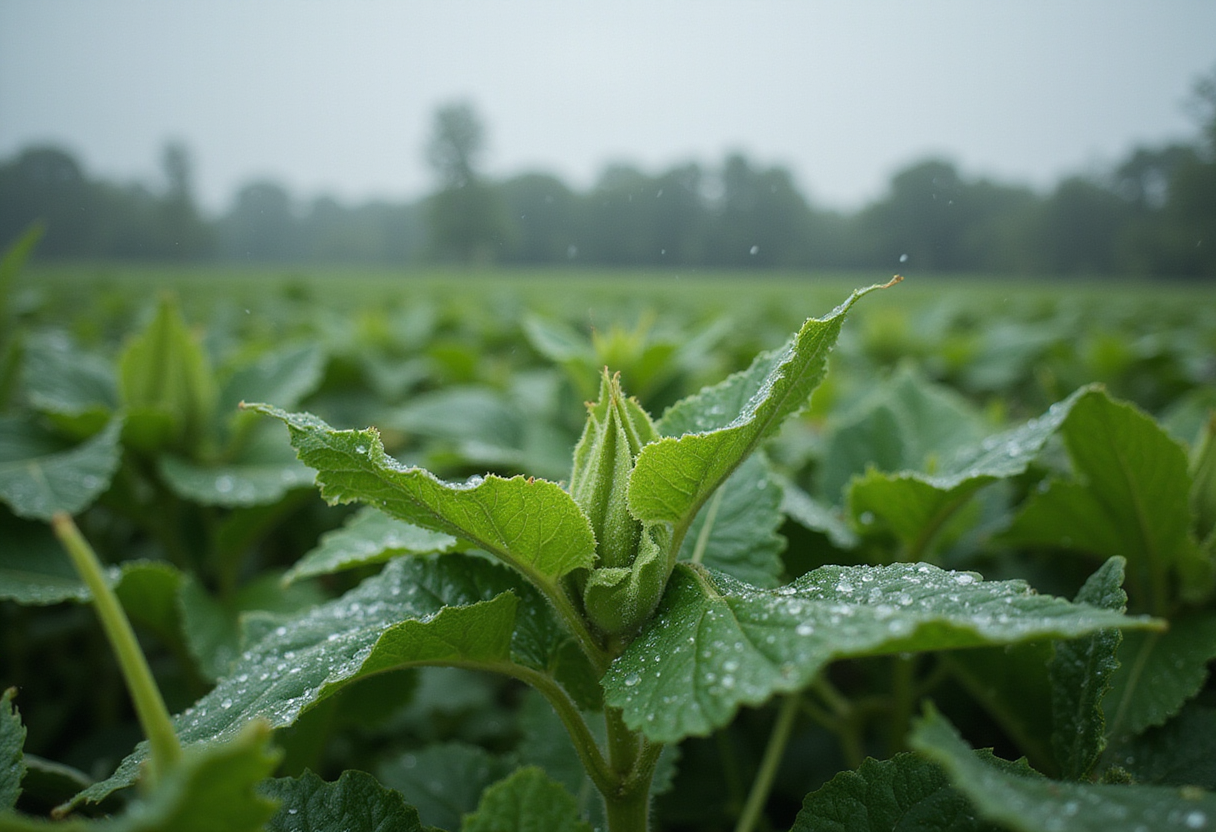
A week of persistent rain is expected to keep Mike Yegge out of his fields through at least the first few days of October. Yegge grows corn and soybeans in Winnebago County, in north Iowa, and says harvest is on hold.
"As of (Friday), we've got rain in the forecast for the next week," Yegge told Brownfield Ag News. He expects the wet pattern to stretch at least into early October before he can move combines back into the crop.
The delay carries real costs for a soybean crop still standing. Beans left in the field during extended wet periods face elevated risk of shattering, lodging and quality discounts at the elevator — losses that come straight out of the margin at a time when growers are already managing tight input economics. For corn, the calculus is different: the crop can tolerate a later harvest date with less immediate quality damage, though delayed fieldwork compresses the window for fall tillage, fertilizer application and cover crop seeding behind the combine.
Yegge's situation reflects conditions across a stretch of the western Corn Belt where repeated rain events have slowed the pace of harvest progress well behind what growers had planned for late September. Each additional week of standing soybeans increases exposure to pod damage and grain loss before the header ever cuts the crop, and wet fields add the risk of rutting and soil compaction once machines finally roll.
There is no yield or harvested-acreage data in the report to quantify the damage yet. What Yegge describes is a condition concern — a forecast-driven risk to a crop still in the field — not a measured harvest result. Actual losses will only show up in combine yield monitors, scale tickets and grading reports once the crop comes off, and those numbers will depend heavily on how quickly fields dry after the rain finally breaks.
Growers in comparable situations typically watch two things as they wait: the calendar, because soybeans left standing deeper into October face rising odds of weather-related losses, and the forecast, because even a short drying window can be enough to restart harvest if the crop is fit. For now, Yegge and his neighbors in Winnebago County are doing exactly that — monitoring a forecast that keeps shifting and a crop that keeps sitting.
The immediate question for the area's soybean crop is whether the weather window Yegge anticipates in early October arrives on schedule, and whether standing beans come off before wet-weather losses turn a delay into a measurable hit to yield and quality.
via Brownfield Ag News (Source)
More from Rebecca Stone
Show full bio
Market editor covering industry trends and analytics at Agribusiness Wire.
135 articles