Lot No. LOT-6057 · offered November 6, 2026
Ag Finance & InvestmentLot sheet
Prediction Markets Offer Farmers Micro-Hedges—at 50 Cents a Contract
Prediction markets like Kalshi sell farmers yes-no bets on USDA yields and diesel costs at up to $1.75 per side in fees, but the CFTC and Farm Bureau are pushing back.
Market notes
- A yes bet on USDA corn yield above 181.2 bu/ac cost 50 cents per contract, paying $1 if the Jan. 12 final report is higher.
- Transaction fees on prediction markets generally max out at $1.75 per side.
- USDA's Oct. 12 estimate set the national corn yield at 181.2 bushels per acre.
- The CFTC claims at least partial jurisdiction; the American Farm Bureau Federation is concerned about negative market impacts.
- Perpetual constant-price contracts are not currently available for grains.
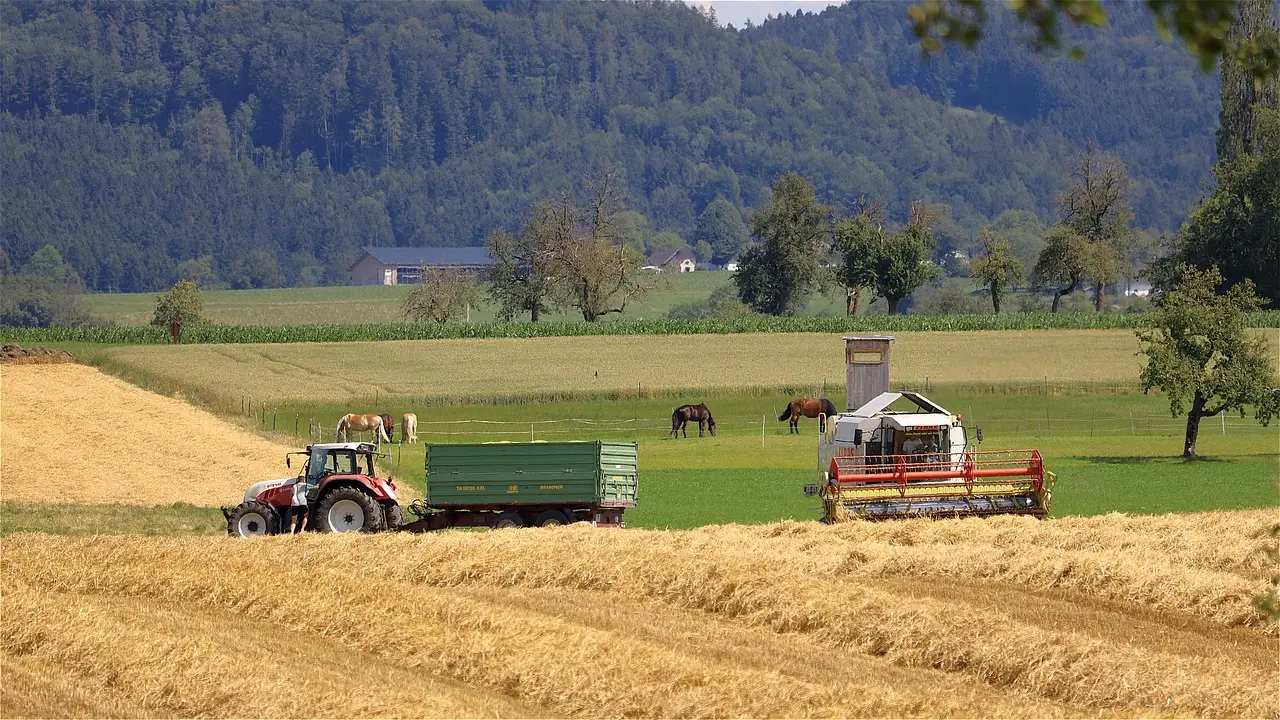
A yes bet on USDA's final corn yield topping 181.2 bushels per acre cost 50 cents per contract last week, paying $1 if the government's Jan. 12 report confirms the bigger crop — one example of how prediction markets are pitching themselves to farmers as a new risk tool.
The proposition mirrors a real hedge. USDA's Oct. 12 estimate put the national corn yield at 181.2 bushels per acre. A yield above that level in the final report could trigger a corn sell-off, so a farmer holding stored grain with no market rally might offset part of the loss with a winning "yes" position.
But the math only works if transaction costs — fees plus the cost of a losing bet — run below the potential gain. That caveat sits at the center of every promise these markets make.
What are prediction markets offering growers?
Platforms such as Kalshi and Polymarket sell two-sided wagers: yes-or-no bets that began with sports and expanded into economics, politics and pop culture. In agriculture, they now list micro-hedges on localized weather freezes, input price spikes and specific yield forecasts.
Two contract types dominate:
- Event contracts, asking whether a specific outcome occurs by a specific date.
- Constant-price perpetuals, tied to assets like crude oil or gold on a continuous basis, with rolls between delivery periods eliminated.
The perpetuals are not currently available for grains. As of late last week, the major platforms also appeared to be leaving specific grain price questions to established exchanges such as CME Group — though energy and precious metals bets were trading. Ultra-low sulfur diesel could serve as a stand-in for production costs, one workaround for growers watching fuel expenses.
The platforms take no delivery of grain and match no buyers with sellers. They are financial overlays, not marketing channels.
How would a hedge actually work?
Prediction markets last week listed no propositions directly on next year's farm earnings. A grower worried about falling profits would have to cobble together surrogates: crop and livestock production bets as a proxy for income, diesel-price bets as a proxy for expenses.
If a wager does not exist, traders can submit the idea — for instance, estimates of ad-hoc "bonus" payments to growers — and see whether the platform will list it.
Covering $100,000 in net farm income could mean one large bet at the market price, or spreading the sum across a series of propositions based on historical results or a mathematical model. That approach is complex, though arguably ready-made for an AI bot to tackle.
The comparison to conventional tools cuts both ways. Volatile or wide basis in the cash market can make futures hedges less efficient too; imperfection is not unique to these contracts.
What does it cost, and who is watching?
Transaction fees generally max out at $1.75 per side, with some costs rising as a position moves closer to the market. Perpetuals may earn something like interest that can offset fees, which also include slippage between bid and ask spreads.
Margin rules sound familiar to any futures hedger: traders deposit funds up front, with gains and losses marked to the market, usually daily. Initial and maintenance requirements resemble those at commodity exchanges — one reason the Commodity Futures Trading Commission claims at least partial jurisdiction.
Volume in most of these contracts remains light compared with established exchanges, and thin markets carry elevated risk of bad fills.
Regulators and lawmakers are circling. Some legislators are drafting proposals to regulate or outright ban the products, and the American Farm Bureau Federation has raised concerns about negative market impacts.
The takeaway: fees, margin and hedge ratios all mirror futures contracts, but with thinner volume and an unresolved regulatory fight attached.
Whether prediction markets become a durable risk tool or a passing trend remains an open question — and growers weighing them should remember that the house takes its cut before any money moves from losers to winners.
via Farm Progress (Source)
More from Olivia Hart
Show full bio
News editor covering technology and product news in Agribusiness coverage for industry professionals at Agribusiness Wire.
476 articles