Lot No. LOT-2638 · offered October 13, 2026
Commodity MarketsLot sheet
October 13, 2026 Opening Grain Prices Released by Saskatchewan Broadcaster CKRM
CKRM Regina posted its opening grain prices for Tuesday, October 13, 2026. The broadcaster's daily cash-bid snapshot arrived during peak Saskatchewan harvest, when basis volatility concentrates across prairie elevators.
Market notes
- CKRM Regina published its opening grain prices report for Tuesday, October 13, 2026.
- CKRM 620 broadcasts from Regina, Saskatchewan, covering the country's heaviest durum, canola, and spring wheat belt.
- A one-cent basis improvement on a 40-bushel canola crop adds roughly 40 cents per acre at standard Saskatchewan yields.
- Statistics Canada's principal field crop production estimates are normally released in early December, weeks after the October 13 report.
- Most Saskatchewan combining finishes by late October under normal weather, placing the report inside peak harvest.
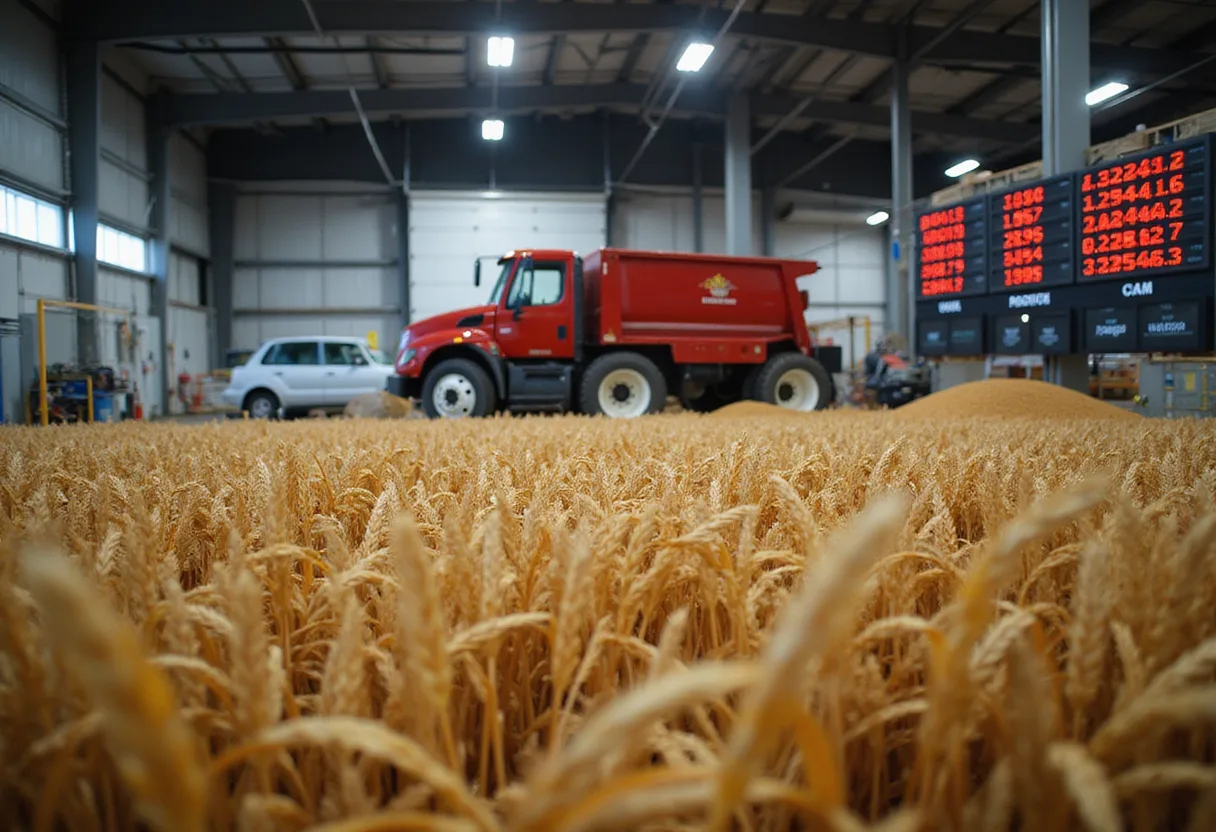
October 13, 2026 Opening Grain Prices Posted by Saskatchewan Broadcaster CKRM
CKRM Regina published its opening grain prices for Tuesday, October 13, 2026. The Regina broadcaster's daily cash-bid snapshot arrived during peak Saskatchewan harvest.
What does an opening grain prices report show?
The October 13 release carries standard daily format. CKRM 620, licensed in Regina, has broadcast prairie agricultural markets for decades. Its coverage area spans southern Saskatchewan, the country's heaviest durum, canola, and spring wheat belt.
Mid-October reports land deep inside harvest. Most Saskatchewan combining finishes by late October under normal weather. The narrow window concentrates basis volatility, elevator bidding shifts, and producer delivery decisions into a handful of weeks.
How do farmers use the daily figures?
Producers compare opening bids against their forward contracts. Elevators post cash bids before Chicago futures open electronically. The spread between local cash and futures, adjusted for freight and handling, sets the basis farmers receive at the scale.
A one-cent basis improvement on a 40-bushel canola crop adds roughly 40 cents per acre. Across a typical 2,000-acre Saskatchewan operation, that shift moves more than $800 in unpriced inventory per cent of basis gain, before any input cost change.
What does this change for Saskatchewan grain farmers?
The October 13 opening report itself changes nothing operationally. It refreshes the morning benchmark farmers and elevator managers already track. Its value lies in documentation for crop insurance, tax records, and contract settlement.
CKRM's role as a daily clearinghouse for these numbers grows during volatile periods. Wide intraday swings, weather-driven logistics delays, and processor demand shifts surface only through repeated, dated reporting like the October 13 release.
What signals should readers track around this date?
Grain price reports gain meaning against broader context. Chicago Board of Trade futures, set overnight and reaffirmed at the opening bell, anchor Canadian cash bids. Currency shifts in the loonie translate every U.S.-dollar price into its local equivalent for prairie sellers.
The October 13 timing sits ahead of Statistics Canada's principal field crop production estimates, normally released in early December. That interim window often produces the widest gap between reported yield forecasts and actual harvest results across the prairies.
What remains unclear from the published figure?
The CKRM report carries local relevance but limited geographic reach. Southern Saskatchewan dominates the broadcaster's coverage area, where durum and canola dominate crop rotation. Northern Saskatchewan lentil and pea markets receive less daily attention on this outlet.
Producers north of Prince Albert, Saskatchewan rely on separate broker networks. Their basis calculations diverge from the Regina-area benchmarks reported on October 13.
Looking ahead
The next CKRM opening grain prices release will follow on October 14, 2026, unless market holidays intervene. Prairie elevators will refresh their morning bids. Farmers will compare those figures against unpriced inventory before the next delivery decision.
By Marcus Bennett
via Google News: Grain prices (Source)
More from Marcus Bennett
Show full bio
Senior reporter covering regulation, policy and their impact on Agribusiness coverage for industry professionals at Agribusiness Wire.
408 articles